



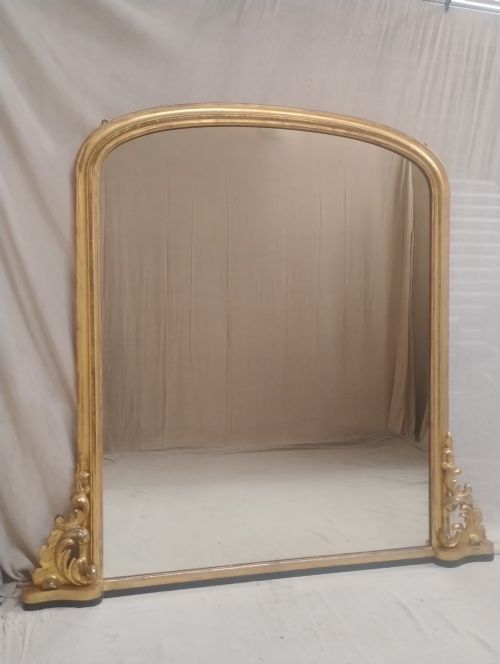
Fireplace Mantel Mirror
A fireplace mantel mirror anchors the room above the hearth, offering scale, reflected light, and period presence.
Defining the fireplace mantel mirror
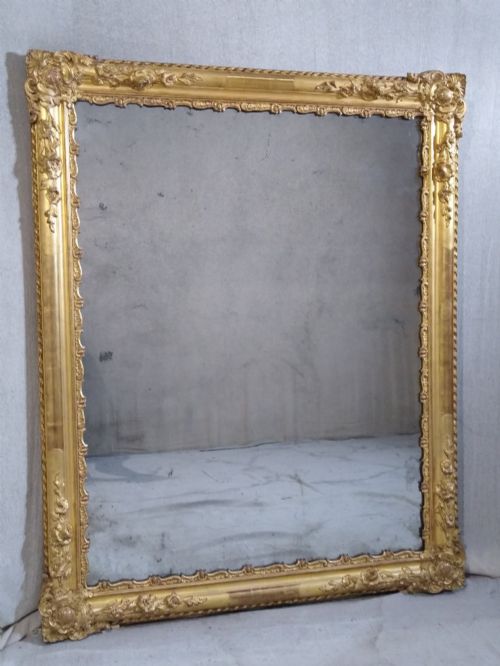
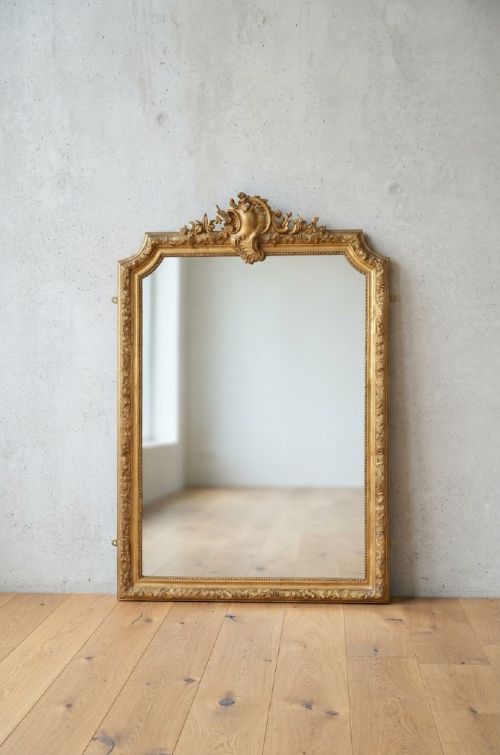
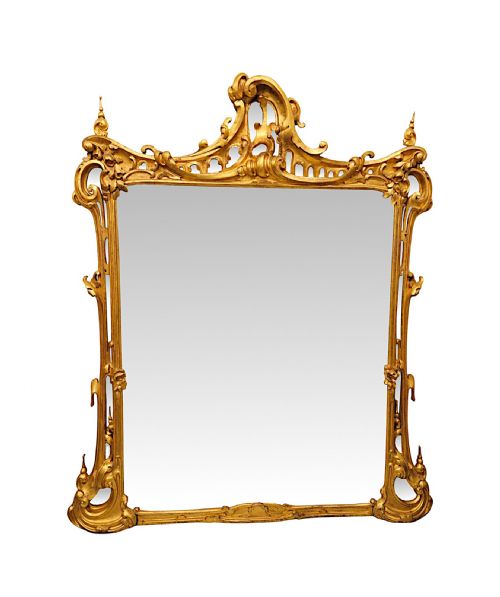
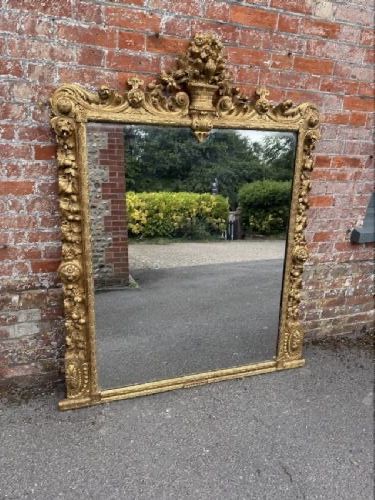
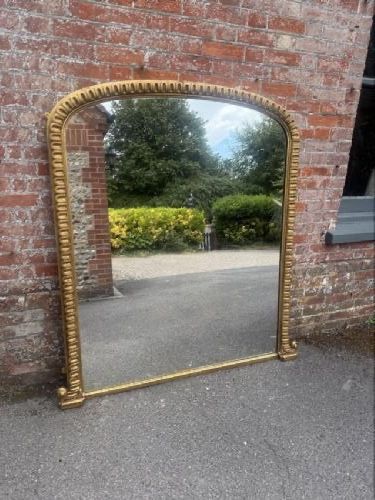
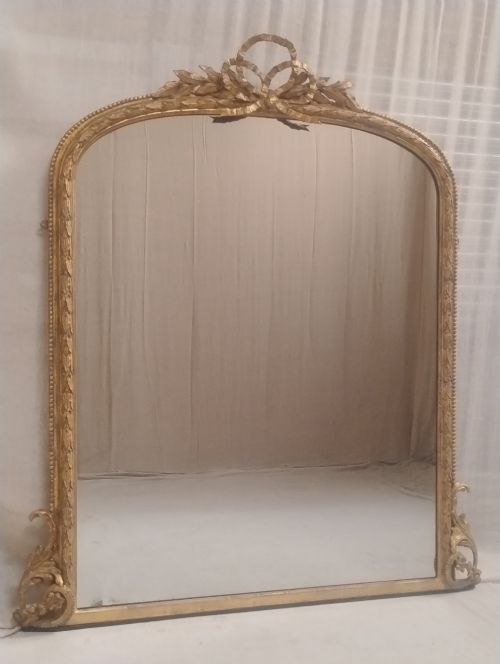
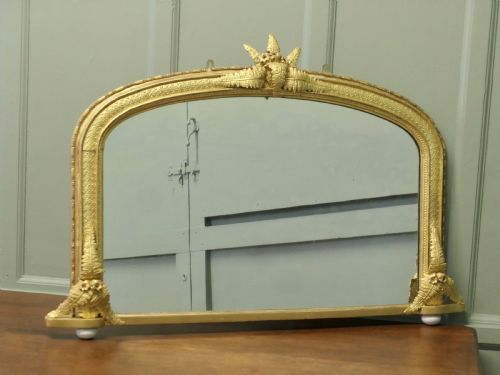
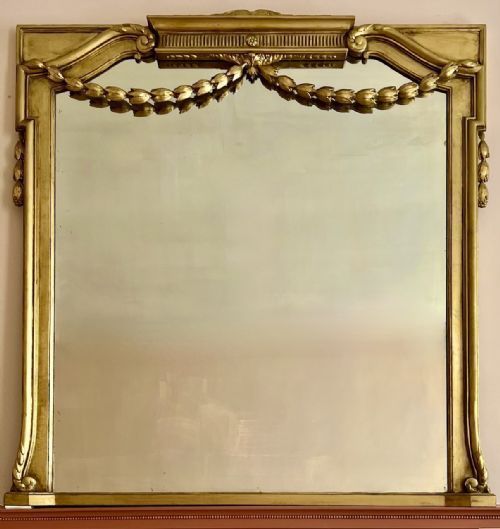
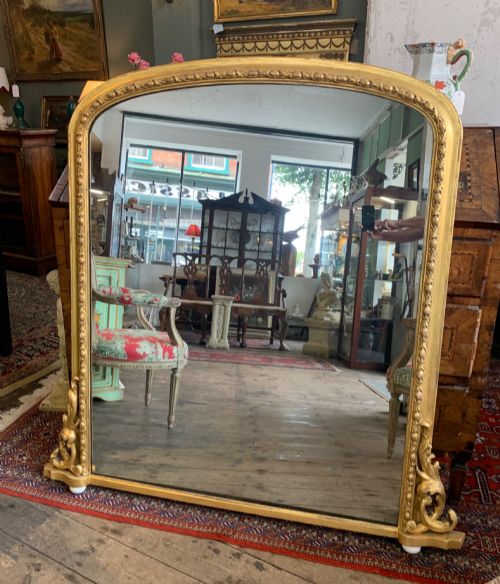
A fireplace mantel mirror is designed specifically to sit above a hearth, filling the expansive wall space where a chimney breast rises. These pieces operate as both architectural anchors and decorative centerpieces, bouncing natural daylight around the room and creating an immediate sense of volume. The examples gathered here span the nineteenth century, capturing the shifting tastes of Victorian interiors.
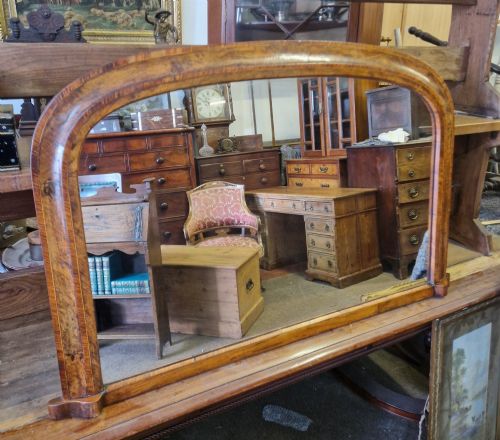
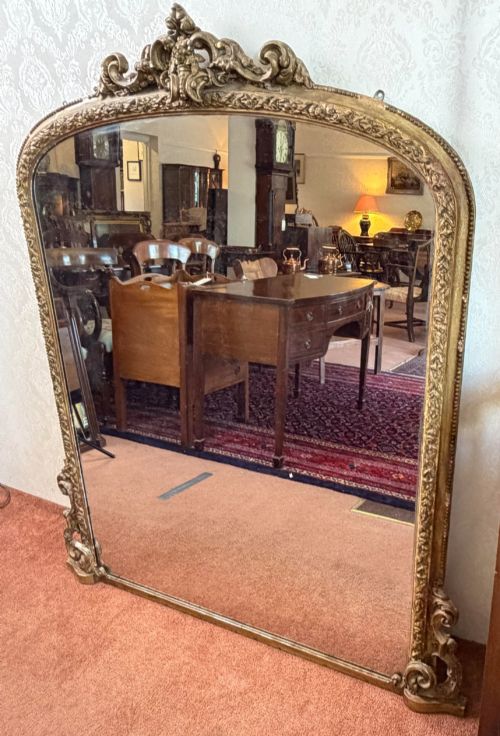
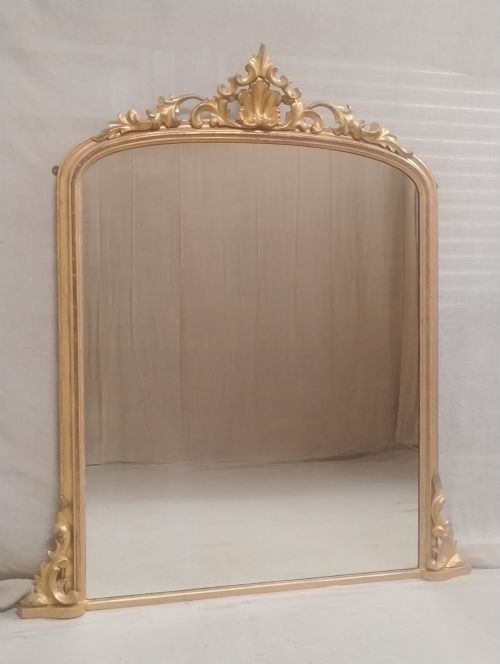
The dominant form on this page is the overmantel mirror, often built with generous horizontal proportions to match the width of a mantelpiece. Formats range from traditional rectangular wall mirrors to tripartite triptych designs topped with ornamental cresting. They appear in styles including Chippendale Revival, French Chateau, Louis Philippe, and Aesthetic Movement.
Origins and periods represented stretch across the nineteenth century, including specific dates such as eighteen-eighty alongside broader Victorian eras. Buyers encounter pieces framed in rich timber or finished with luminous gold leaf. Each variant brings its own distinct regional or stylistic temperament to the interior.
Materials and construction
Makers constructed these frames using solid timbers such as mahogany and burr walnut, alongside ebonised wood for a stark, dark finish. Plaster provided the armature for intricate moulded details, which were subsequently gilded with gold leaf or painted. Woodworkers applied traditional joinery techniques to support the considerable weight of heavy glass plates.
The glass itself sits within sturdy wooden or composite frames, secured safely behind decorative mouldings. Giltwood surfaces involve delicate layers of gold leaf applied over preparation grounds on wood or plaster. Ebonised finishes required multiple coats of dark stain and polish to achieve a deep, light-absorbing lustre.
Retail Price Guide 2026
Typical UK retail prices for fireplace mantel mirror, calculated from the Sellingantiques database of over a million retail prices indexed since 2003. This retail price guide relies exclusively on Sellingantiques data; no external sources or auction records are used, so the figures do not describe the wider market.
Keep an eye out for the occasional carved bird peering down from the cresting, watching over the hearth.
Assessing quality
Quality in these mirrors reveals itself in the depth and crispness of the framing ornamentation, from hand-carved mahogany crests to precise plaster mouldings. Superior examples exhibit harmonious proportions where the weight of the frame balances the expanse of the glass plate. The handling of gold leaf and the richness of the timber grain separate standard framing from exceptional craftsmanship.
The integrity of the plate glass and the tightness of the frame joints further distinguish finer items. Elaborate design elements, such as the carved Ho-Ho bird cresting on revival pieces, demand a high level of sculptural skill. Materials like burr walnut and genuine gold leaf indicate a higher tier of original manufacture.
The Fireplace Mantel Mirror Glossary
- Overmantel mirror
- A large mirror specifically proportioned to hang on the wall directly above a fireplace mantel. These pieces are typically wider than they are tall to follow the horizontal line of the hearth.
- Giltwood
- Timber that has been coated with a thin layer of gold leaf. This technique provides a brilliant reflective surface that catches and multiplies candlelight or daylight.
- Ebonised wood
- Timber treated with chemical stains or dark finishes to imitate ebony. This process was particularly favoured during the Aesthetic Movement for its sleek, dark appearance.
- Triptych
- A mirror divided into three distinct sections or panels. This configuration breaks up the reflective surface with decorative vertical divisions.
- Chippendale Revival
- A nineteenth-century stylistic movement resurrecting the ornate, rococo-influenced designs of Thomas Chippendale. Pieces often feature elaborate fretwork and natural motifs like birds.
Frequently Asked Questions
How do I hang a heavy fireplace mantel mirror safely?
These mirrors carry significant weight due to their large glass plates and solid wood or plaster frames. Secure fixing requires locating the studs in the chimney breast or utilising heavy-duty wall anchors rated for substantial loads.
Professional installation is often recommended to ensure the mirror is anchored securely at both top and bottom brackets. This prevents any forward listing and protects the antique frame from undue stress.
Can I place a fireplace mantel mirror over a working fire?
Placing a mirror above an active hearth exposes the piece to rising heat and soot over time. While historical interiors routinely positioned them here, modern usage requires monitoring ambient temperature fluctuations.
Excessive heat can dry out wooden frames and affect historical adhesives or backing materials. Ensuring adequate clearance above the mantelpiece helps mitigate potential thermal damage.
What is the difference between a wall mirror and an overmantel mirror?
Overmantel mirrors are specifically engineered with horizontal proportions to sit above a fireplace opening. Standard wall mirrors are often vertical and designed for general room placement.
The width of an overmantel mirrors allows it to anchor the visual space of a chimney breast. Wall mirrors serve different spatial functions in hallways or between windows.