


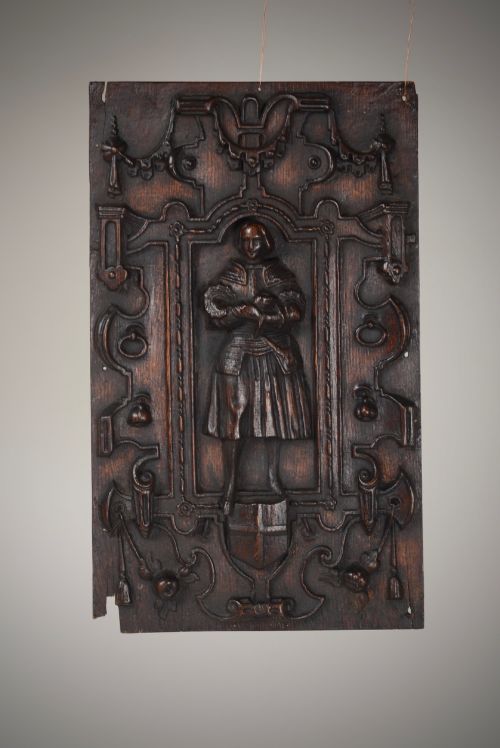
Dark Wood Carved Panel
A dark wood carved panel brings centuries of architectural history and dense hand-worked relief directly into a modern interior.
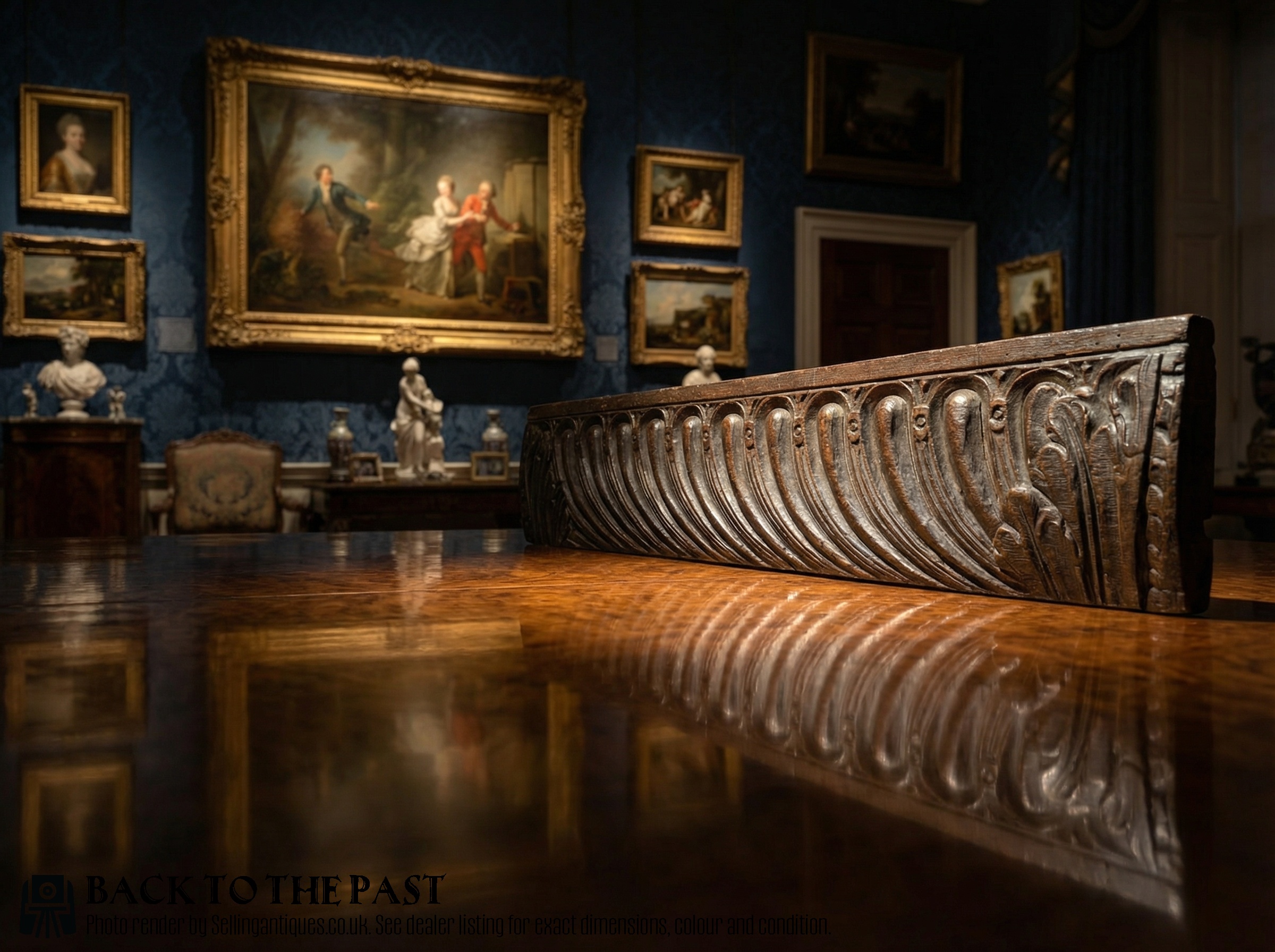
Dark Wood Carved Panel
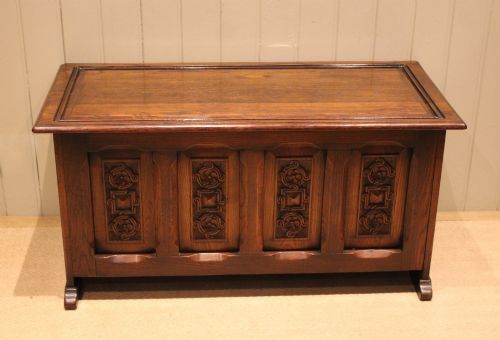
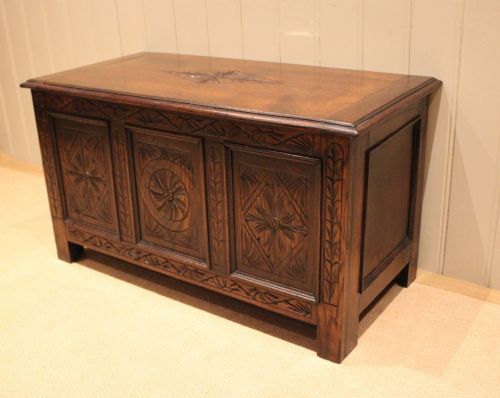
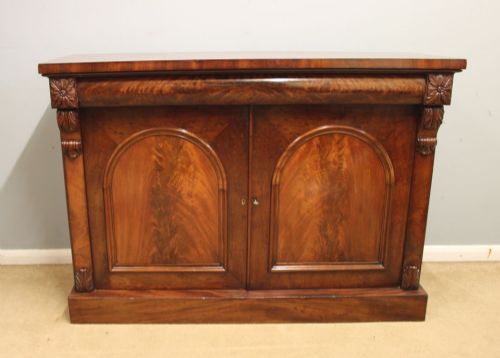
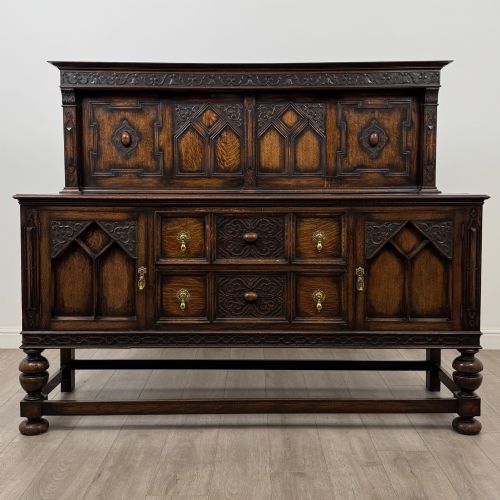
When you search for a dark wood carved panel, you meet architectural salvage, wall reliefs, and fragments extracted from larger furniture forms like coffers, chests, and sideboards. These pieces span multiple centuries, ranging from the sixteenth and seventeenth centuries through to Edwardian revivals.
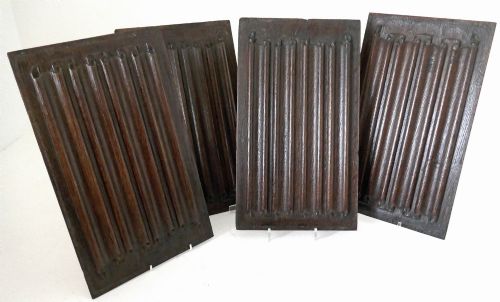
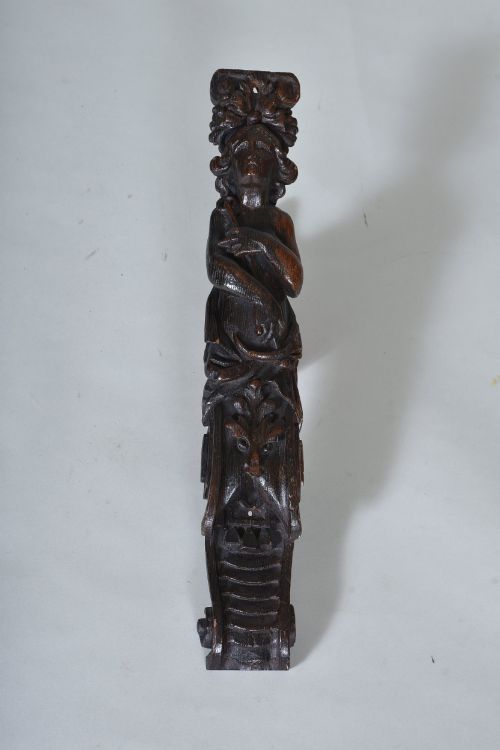
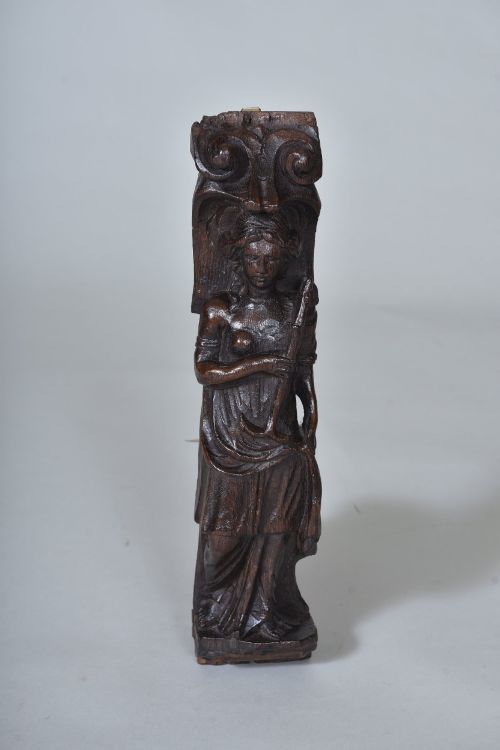
The version you are most likely to encounter on this page is an oak panel displaying deep relief work, linear linenfold patterns, or figurative carvings rooted in Jacobean and Tudor styles.
Originating primarily from English, European, and colonial workshops, these panels frequently demonstrate how interior woodwork evolved from structural framing into decorative wall art.
Materials and Technique
Solid timber forms the foundation of these items, with oak dominating the selection alongside mahogany, walnut, and dense hardwoods shaped by hand tools.
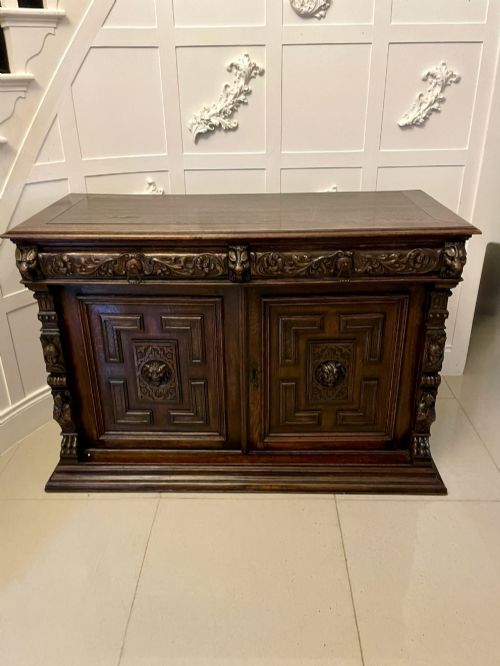
Carvers utilised gouges and chisels to cut directly into the seasoned timber, creating high-relief scenes, geometric mouldings, and figurative depictions that rely on natural grain direction for strength.
Metal elements such as iron and brass occasionally appear as structural fixings, hinges, or decorative studs complementing the dark patinated wood surfaces.
Listings feature items spanning the sixteenth century to the Edwardian era, constructed primarily from oak, mahogany, and walnut with occasional brass and iron fittings.
Judging the Workmanship
The integrity of the timber itself dictates value, as boards displaying uniform shrinkage, rich natural patination, and minimal later intervention outrank heavily restored or artificially darkened surfaces.
The Dark Wood Carved Panel Glossary
- Linenfold
- A style of relief carving imitating folded linen or parchment, commonly found on sixteenth-century panels and chest fronts. This decorative technique creates a textured surface composed of parallel vertical folds.
- High-Relief
- A sculptural technique where elements project far from the background plane, often appearing nearly three-dimensional. This method requires considerable skill to carve deep undercuts in dense hardwood.
- Coffer
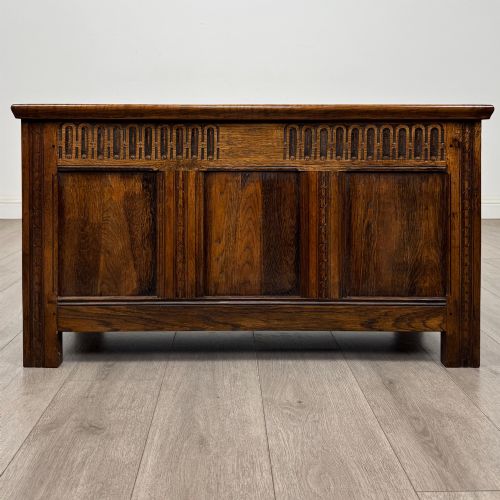
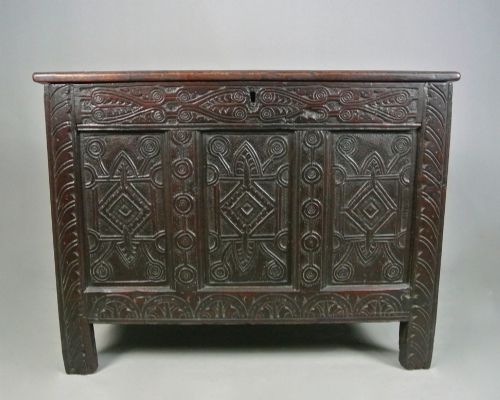
- A large wooden chest traditionally used for storage, frequently constructed with heavy planking and front panels decorated with carved motifs. These functional items often get dismantled over time, leaving the carved sections as wall panels.
- Jacobean
- The stylistic period spanning the early seventeenth century, characterised by robust proportions, geometric strapwork, and formal carved ornamentation. Pieces from this era display dark patinated oak and heavy mouldings.
- Patina
- The surface sheen and colour developed by wood over long periods through oxidation, handling, and waxing. A desirable natural finish enhances the visibility of the grain and deepens the dark tone.
Dark Wood Carved Panel: Frequently Asked Questions
What were dark wood carved panels originally used for?
These panels served primarily as structural wall lining inside grand buildings, church interiors, and domestic halls to provide insulation and display status. They also formed the decorative doors and facades of heavy storage furniture.
Over subsequent centuries, many architectural interiors were dismantled, and individual sections were salvaged to be mounted on walls purely as decorative artworks.
How do I tell a seventeenth-century panel from a later revival piece?
Early pieces display authentic hand-tool marks, peg construction, and irregular shrinkage cracks consistent with centuries of natural movement in unseasoned timber. The oak develops a dry, deep-set patina that resists uniform colouration.
Revival pieces made during the Edwardian period often exhibit mechanical saw marks on hidden faces, standardised dimensions, and smoother surfaces finished with modern polishes.
How should I care for antique carved wood at home?
Maintain a stable room temperature and keep wooden panels away from direct heat sources, fireplaces, and strong sunlight to prevent the timber from splitting. Excessive dryness causes old wood to shrink and joints to weaken.
Apply a light coat of traditional beeswax occasionally and buff gently with a soft cloth to nourish the surface without building up sticky layers of residue.