




Antique Perpetual Calendar
An antique perpetual calendar keeps time across the years through rotating drums or cards, bringing mechanical charm to any desk.
Antique Perpetual Calendar
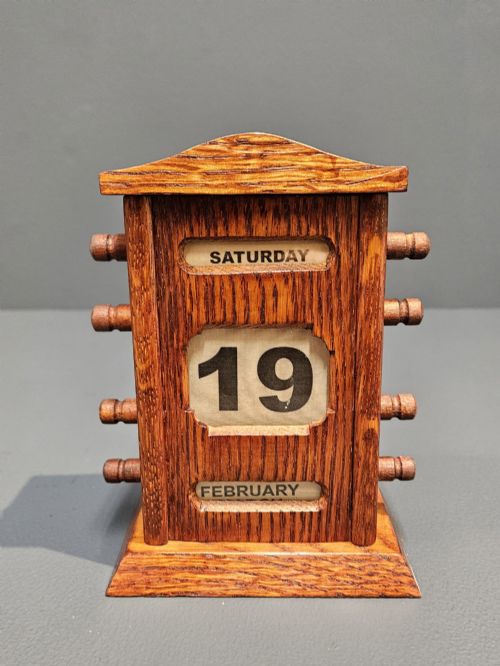
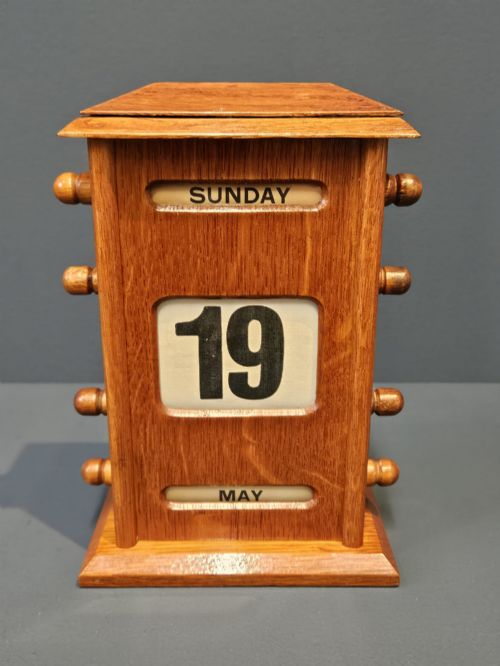
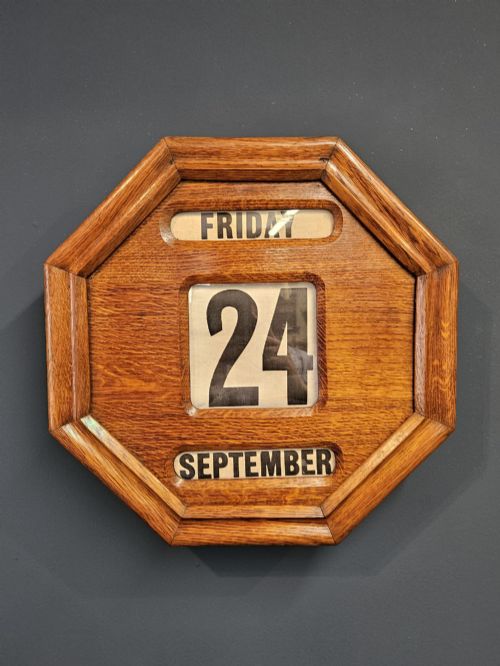
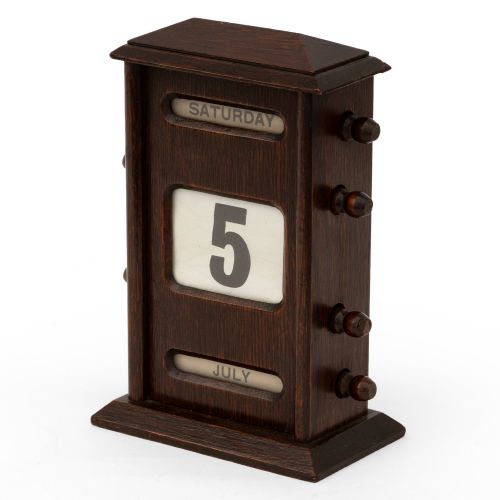
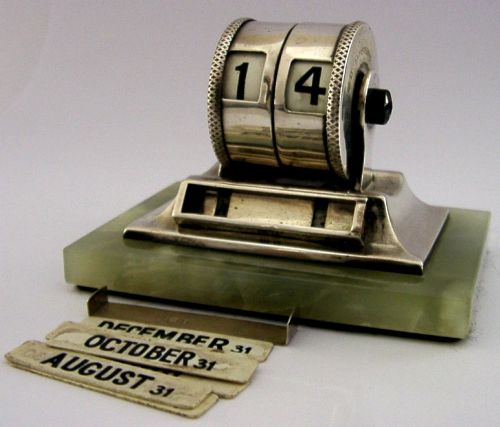
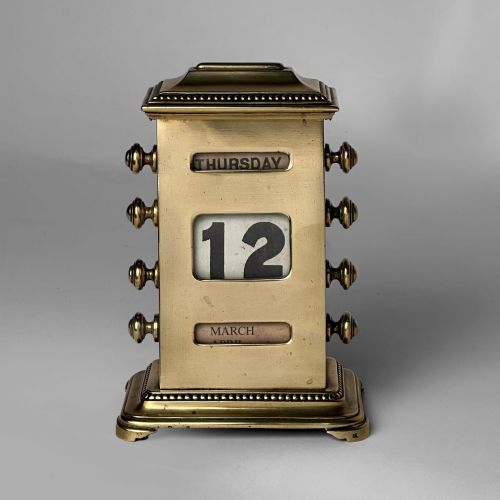
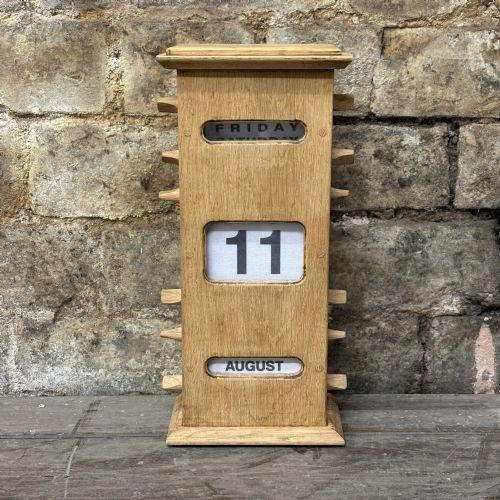
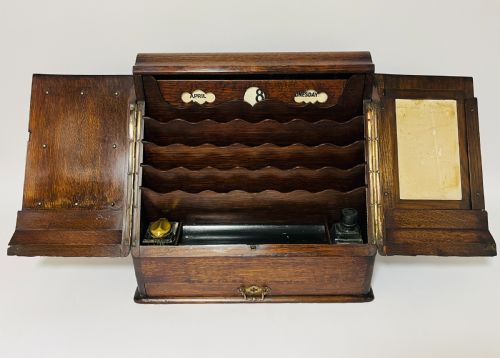
An antique perpetual calendar offers a functional system for tracking days and months without resetting each year. You will frequently encounter compact desk variants made of polished timber, alongside wall-mounted formats and mantel clocks.
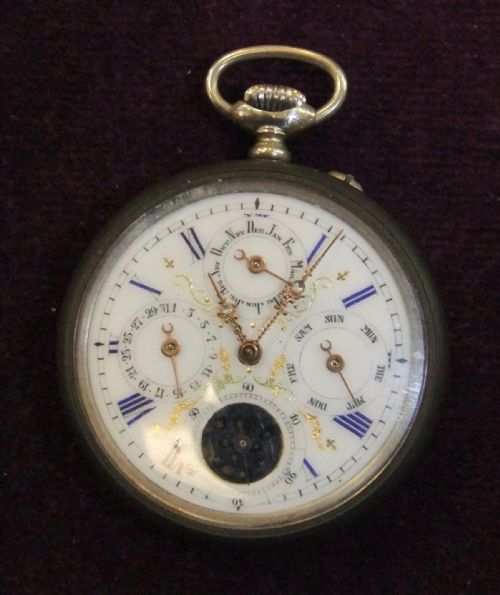
The objects stem from the nineteenth century into the early decades of the twentieth century. Common materials include oak, walnut, mahogany, brass, and silver, often integrated into stationery cabinets or pocket watches.
Makers housed these mechanisms within diverse styles, ranging from Victorian and Edwardian traditionalism to Art Deco geometric lines and Egyptian Revival ornamentation.
How they were made
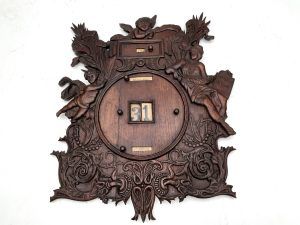
Cabinetmakers worked with hardwoods like oak, mahogany, and walnut to construct desk stands, stationery cabinets, and wall plaques. Metalworkers cast brass and fashioned silver components, sometimes pairing them with tortoiseshell, enamel, or green onyx.
Makers printed paper cards or engraved metal plates for the date, day, and month displays. Clockmakers integrated calendar mechanisms directly into slate, marble, or wood mantel clocks alongside standard timekeeping faces.
Antique Perpetual Calendar Retail Price Guide 2026
Typical asking prices for perpetual calendar among the pieces listed under this phrase on Sellingantiques today, from the lower quarter to the upper quarter. They describe what is for sale here now, not the wider market.
Listings feature woods including oak, mahogany, and walnut alongside metals like brass and sterling silver.
What varies in quality
The refinement of the mechanism dictates much of the standard, separating simple thumb-turn card changes from complex fully working gear systems inside clocks or pocket watches. Crispness in the lettering on paper dials or engraved metal plaques also separates standard pieces from finer examples.
Material selection and decorative detailing elevate certain items above basic utility objects. Well-figured timber veneers, intricate brass castings, or the inclusion of materials like tortoiseshell, silver, and onyx demonstrate superior workshop execution.
William Tonks of Birmingham·Brocot·Asprey London
The Antique Perpetual Calendar Glossary
- Perpetual calendar
- A mechanism designed to show the day and date indefinitely by manual adjustment without requiring a yearly reset.
- Stationery cabinet
- A wooden desk accessory with compartments for writing paper and envelopes, frequently incorporating a calendar on the exterior door or fall front.
- Boulle
- A form of marquetry utilising brass and tortoiseshell inlaid into wood, seen on decorative desk pieces.
- Mantel clock
- A household clock designed to sit on a fireplace mantel, sometimes housing calendar drums or dials within its case.
- Equation of time
- A complication found on select horological pieces that measures the difference between apparent solar time and mean solar time.
Antique Perpetual Calendar: Frequently Asked Questions
How do perpetual calendars work?
These devices use manual rollers, rotating drums, or sliding cards to align the day, date, and month correctly. Users simply turn side knobs or adjust windows to advance the configuration as needed.
More advanced horological examples link the calendar display directly to the clock movement, operating through internal gear trains.
Where were these calendars placed?
Most variants sat on writing desks, library tables, or mantelpieces within Victorian and Edwardian homes and offices. Larger formats were fitted with brackets for mounting directly onto walls.
Portable versions were also produced as pocket watches for personal use while travelling.
How do I date a piece?
Stylistic cues point toward specific eras, such as geometric shapes for Art Deco items or heavy carvings for Victorian pieces. Material choices like green onyx or tortoiseshell often reflect the prevailing tastes of the nineteen-twenties and earlier decades.
Maker marks, stamps, and engraved signatures on the brass or silver elements provide direct historical records.
Are desk calendars difficult to maintain?
Most wooden and brass desk pieces require only gentle dusting and occasional waxing for the timber surfaces. The paper or card indicators benefit from protection against direct sunlight to prevent fading.
Clockwork versions require standard mechanical servicing by a horologist to keep the internal gears functioning smoothly.