



Antique Office Accessories
Antique office accessories bring order and craftsmanship to a workspace, combining practical utility with the distinctive style of past decades.
Antique Office Accessories
When you search for antique office accessories, you encounter functional items designed to organise and equip writing desks from the Georgian period through to the mid-twentieth century.
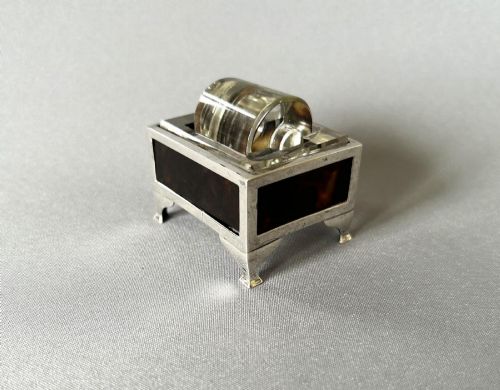
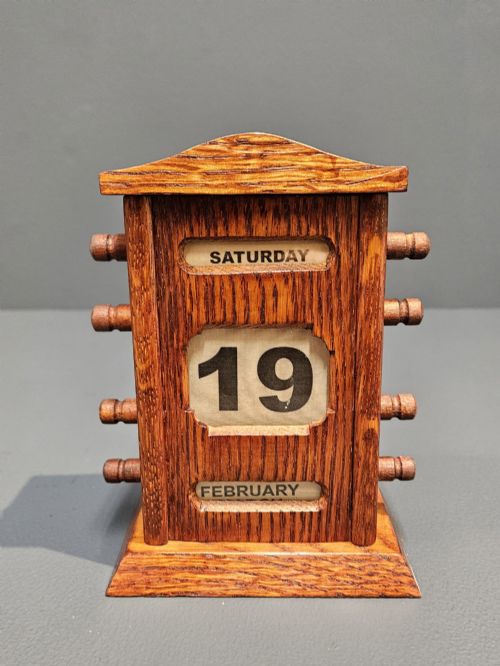
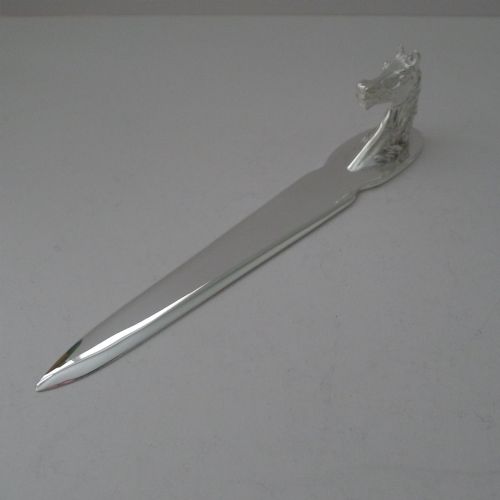
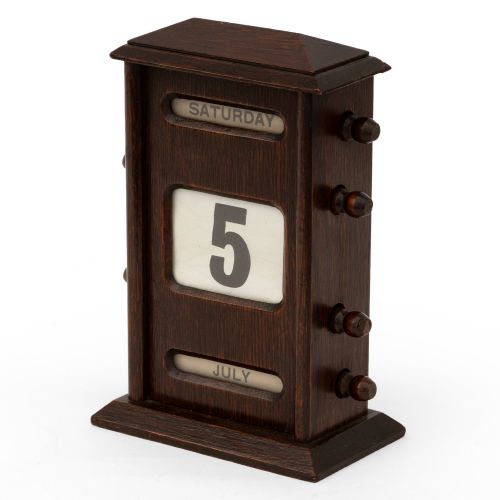
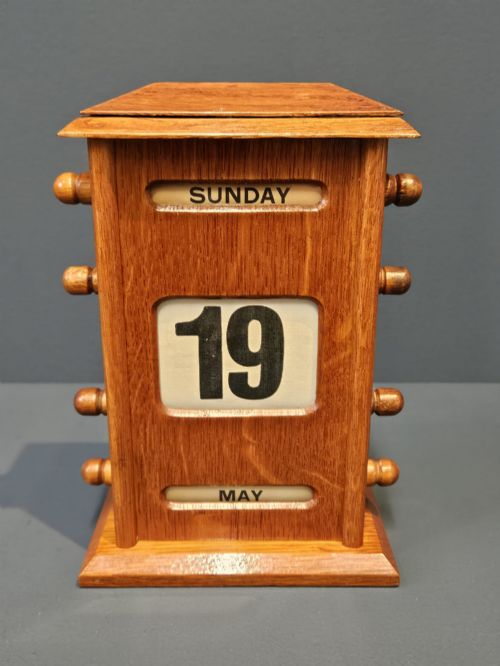
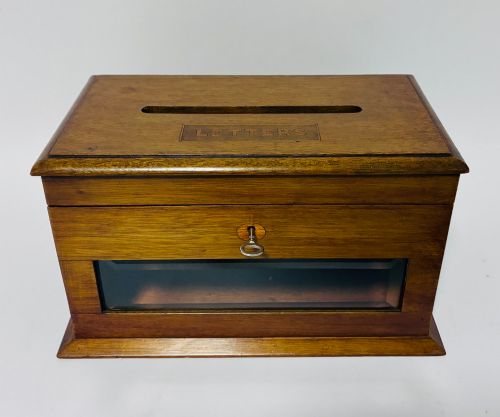
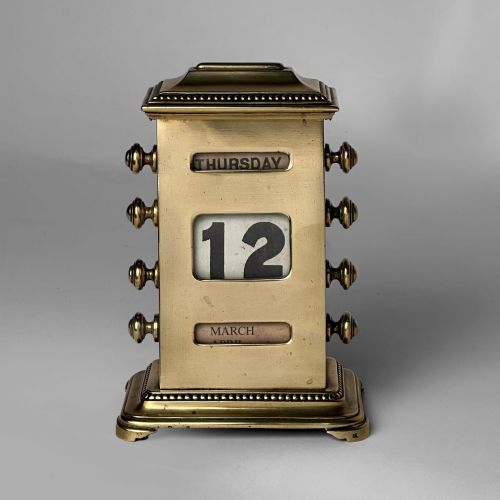
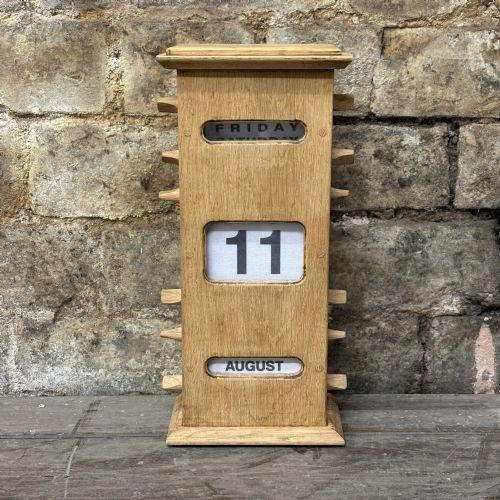
The selections on this page most frequently include perpetual calendars, letter openers, inkwells, and desk tidies fashioned from traditional timber and metal.
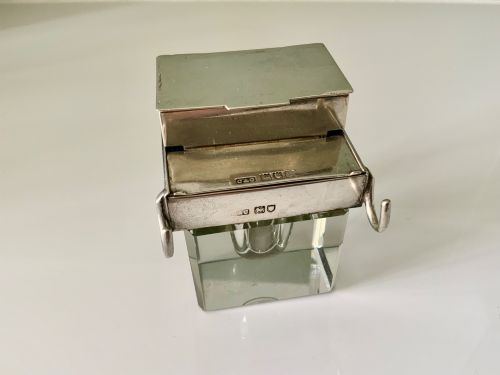
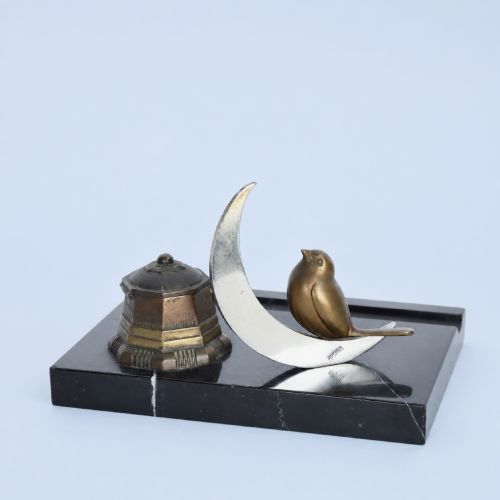
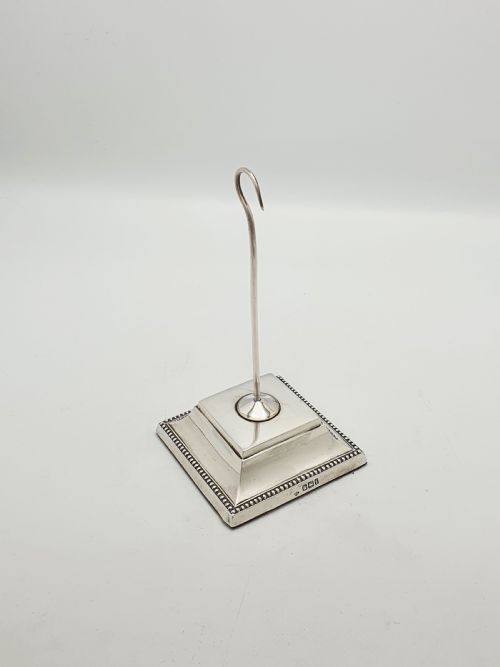
These objects reflect the administrative and domestic routines of past eras, ranging from simple Victorian receipt hook stands to elaborate Art Deco marble compositions.
How they were made
Maker workshops utilised durable timbers such as mahogany and oak alongside cast brass, sterling silver, and glass to construct robust desk equipment.
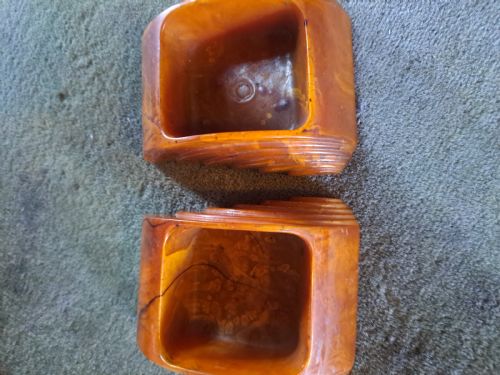
Twentieth-century production introduced synthetic materials like Bakelite and Catalin, whilst traditional items relied on hand-finished wood joinery and metal casting.
Antique Office Accessories Retail Price Guide 2026
Typical asking prices for office accessories among the pieces listed under this phrase on Sellingantiques today, from the lower quarter to the upper quarter. They describe what is for sale here now, not the wider market.
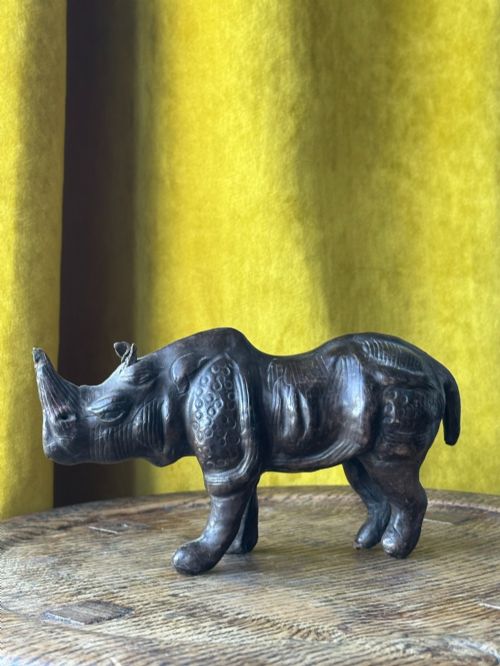
One desk ornament captures a rhinoceros in leather, proving that Victorian and Edwardian desks welcomed exotic creatures alongside inkwells.
What varies in quality
Distinctions in quality rest upon the choice of materials and the precision of the mechanics, such as the smooth operation of calendar drums and the integrity of glass inkwells.
Pieces bearing identifiable maker marks or incorporating precious metals and carved stones demonstrate superior craftsmanship compared to utilitarian factory output.
William Tonks of Birmingham·Liberty & Co.·Moses Brent·Rene Lalique·Tiffany & Co.
The Antique Office Accessories Glossary
- Perpetual calendar
- A desk accessory with adjustable cards or rollers designed to display the day and date for any year.
- Inkwell
- A small container for holding liquid writing ink, frequently fitted with a hinged lid to prevent evaporation.
- Desk tidy
- A compartmented tray or stand intended to hold pens, letters, and small stationery items in one place.
- Bakelite
- An early form of synthetic phenol formaldehyde resin utilised for moulded desk objects during the twentieth century.
- Postal scales
- A balance device calibrated in weight increments for determining letter and parcel postage requirements.
Antique Office Accessories: Frequently Asked Questions
What counts as an office accessory?
Office accessories comprise the functional objects placed upon a writing desk to assist with correspondence, record-keeping, and timekeeping. This category includes items like letter openers, calendars, inkwells, and stamp moisteners.
These pieces were standard desk furniture in studies and offices from the Georgian era onwards, serving both practical tasks and decorative display.
How do I date a calendar?
Dating a perpetual desk calendar involves examining the materials, typography, and manufacturing style. Earlier examples from the Victorian and Edwardian periods often feature solid oak or mahogany frames with brass fittings.
Twentieth-century versions frequently incorporate Art Deco styling, using materials like black marble, Bakelite, or chromium-plated metal alongside distinct numerical fonts.
Were these items used at home?
Many of these accessories were manufactured for domestic writing desks situated in private libraries and home studies. Households required equipment for managing personal correspondence, household accounts, and letter writing.
Larger items such as postal scales and extensive desk sets crossed easily between domestic studies and professional Victorian offices.
How should I clean silver parts?
Silver components on desk items require careful maintenance using a soft cloth and mild, non-abrasive silver polish. Avoid applying cleaning agents directly onto adjacent materials like wood, leather, or paper.
Gentle upkeep preserves the hallmarks and original surface texture without removing the character accumulated over decades of handling.