

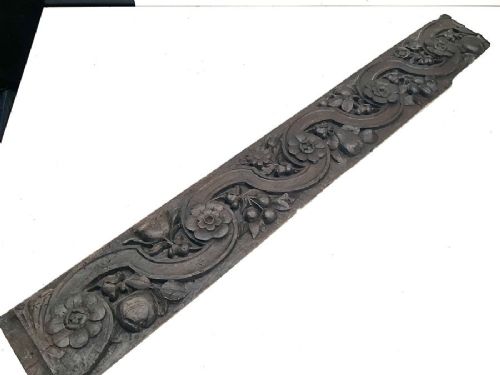


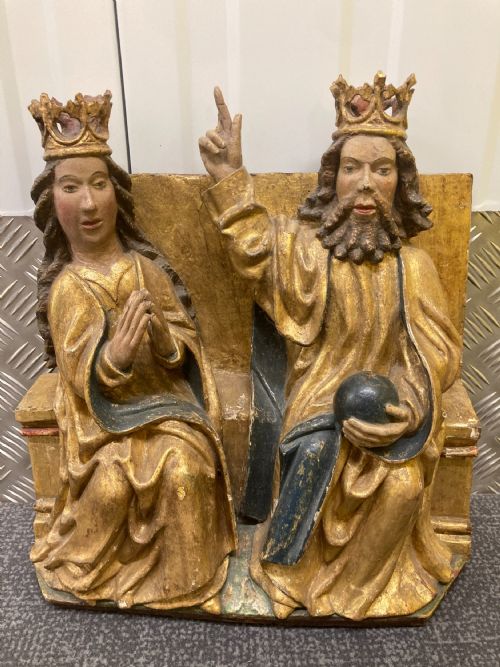

16th Century Wood Panel
These 16th century wood panel examples bring Tudor and Renaissance craftsmanship directly to interior walls through carved oak, walnut, and polychrome surfaces.
16th Century Wood Panel
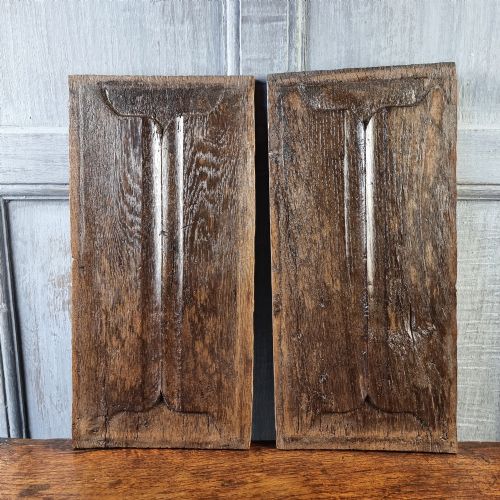
A 16th century wood panel represents architectural salvage and wall reliefs originating from the Tudor and Renaissance eras. The selection spans structural fragments like coffer fronts alongside devotional groupings and decorative carvings.
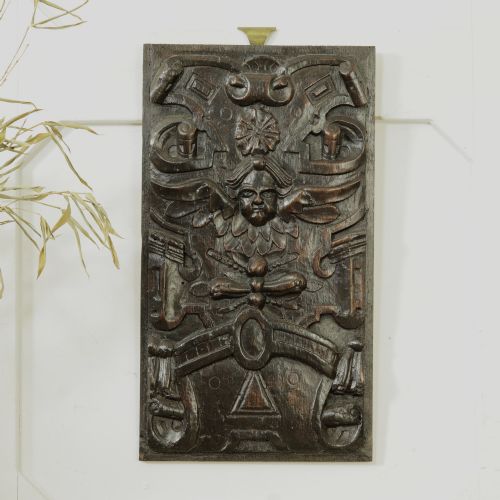
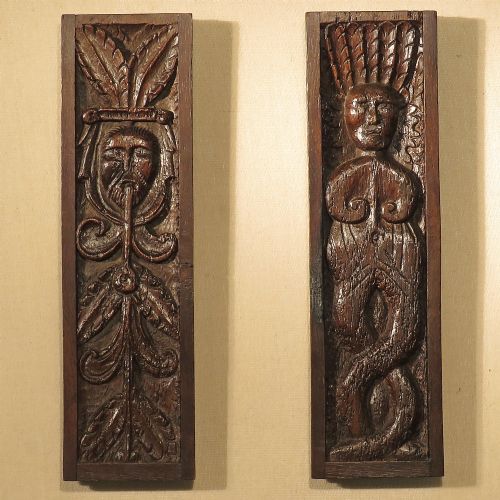
Linenfold panels and figurative reliefs appear frequently in the listings, alongside walnut termes and architectural elements. While 16th century pieces dominate, later interpretations from the 17th century and Tudor Revival periods also emerge.
Materials and construction methods
Makers shaped these works primarily from native oak and walnut, utilising hand-carving techniques to achieve high-relief imagery. Artisans worked solid timber directly, carving intricate motifs such as linenfold patterns and figural scenes straight into the grain.
Selected works received surface enhancement through polychrome paint and gold leaf, adding colour and illumination to religious and secular subjects alike. This combination of carved wood and applied pigment defined the decorative vocabulary of Northern and French Renaissance workshops.
Distinctions in craftsmanship and survival
Original surface preservation heavily influences the character of each piece. Retained traces of early polychrome paint or gold leaf elevate an artefact, whereas heavy later intervention or structural loss alters its historical integrity.
Hugues Sambin
The 16th Century Wood Panel Glossary
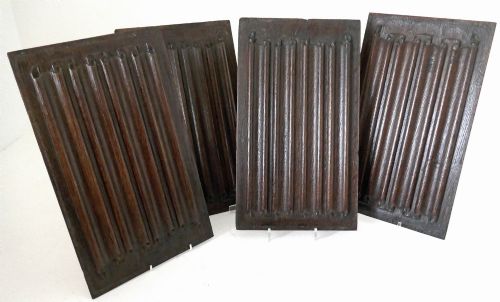
- Linenfold
- A style of wood carving that mimics folded parchment or linen, common on Tudor panels. It creates a rhythmic, vertical texture across the face of the timber.
- Term
- A pedestal figure or pillar where the upper body emerges from a tapered column. These architectural supports often appear in Renaissance furniture and panelling.
- Polychrome paint
- Decoration applied in several colours to wood or stone surfaces. Medieval and Renaissance carvers utilised this technique to bring realism to figural sculptures.
- High-relief
- A sculptural technique where the figures project significantly from the background plane. This method creates strong shadows and a sense of three-dimensional depth.
16th Century Wood Panel: Frequently Asked Questions
How were 16th century wood panels originally used?
These panels functioned primarily as interior architectural elements within wealthy homes, churches, and public buildings. They lined walls, formed the fronts of coffers, or served as structural components in larger furniture pieces.
Religious carvings also adorned altarpieces and devotional spaces, depicting biblical narratives to educate and inspire viewers who encountered them daily.
What is linenfold panelling?
Linenfold is a specific style of decorative carving designed to resemble stiff fabric folded over itself in vertical pleats. It became widely popular during the Tudor period for interior wall decoration.
Carvers utilised specialised planes and gouges to create the illusion of textile on solid oak, adding warmth and texture to stone chambers.
How do I care for antique carved wood panels?
Maintain a stable indoor environment away from direct heat sources and dramatic humidity fluctuations to prevent the timber from splitting. Dust the carved surfaces gently with a dry, soft brush rather than using liquid polishes.
Keep unsealed wood and polychrome painted sections protected from direct sunlight to preserve the remaining pigments and natural patina over time.
How can I tell a 16th century panel from a later revival piece?
Examine the back of the timber for tool marks, seasoning methods, and construction joints consistent with early hand-working techniques. Timbers from the Tudor and Renaissance eras often exhibit adze marks and pegged joinery that differ from later production.
Style, wear patterns, and the type of wood also provide clues, though consulting the specific period attribution helps clarify the date of manufacture.