


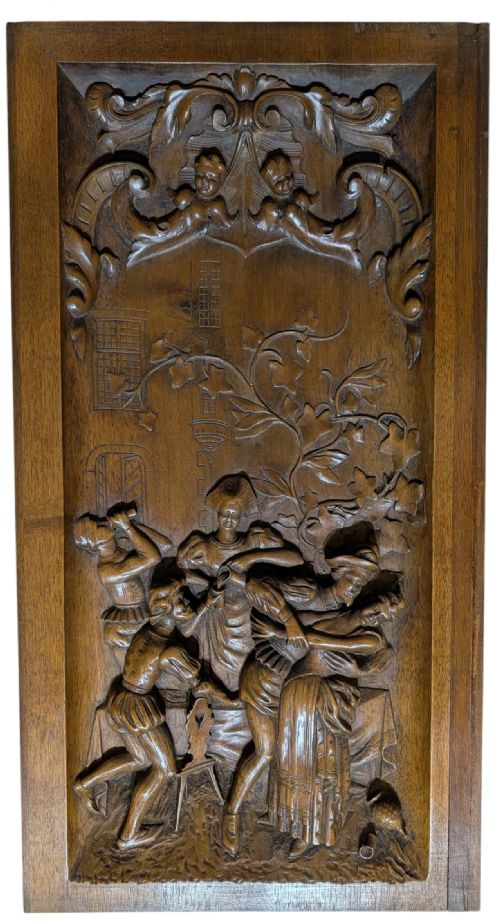


Renaissance Wood Carving Panel
These pieces of renaissance wood carving panel bring sixteenth and seventeenth century architectural depth into a room through hand shaped relief work.
Renaissance Wood Carving Panel
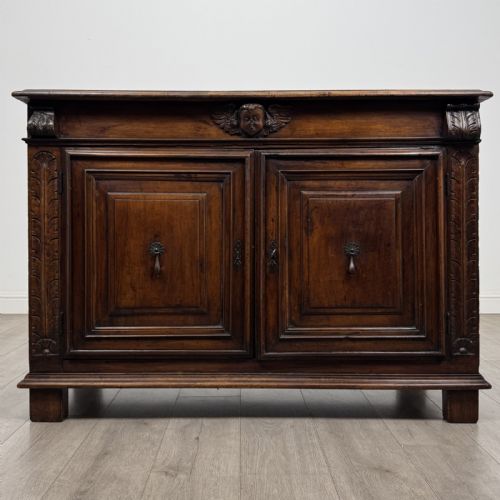
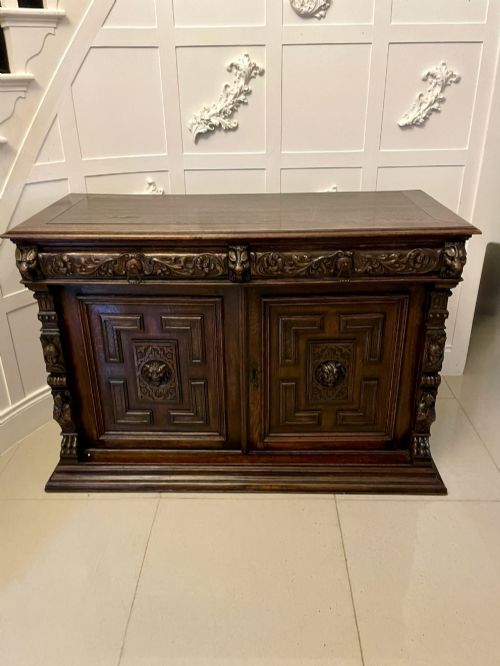
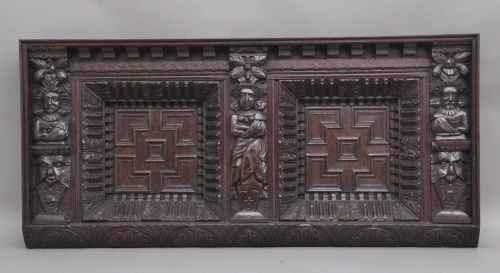
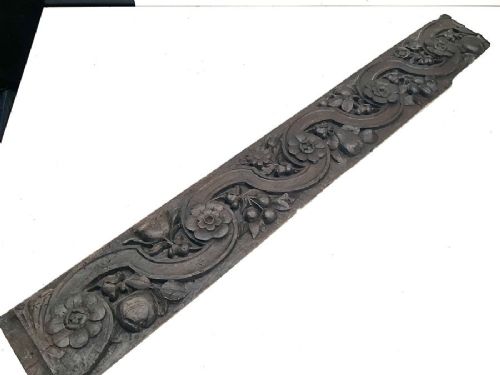
When you search for a renaissance wood carving panel, you encounter architectural salvage and wall reliefs dating principally from the sixteenth and seventeenth centuries, alongside later nineteenth century revivals. The surviving examples take the form of coffer fronts, overmantles, door pediments, and individual wall panels salvaged from larger structures.
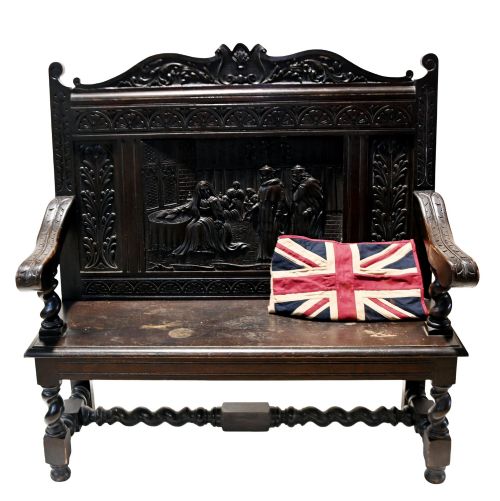
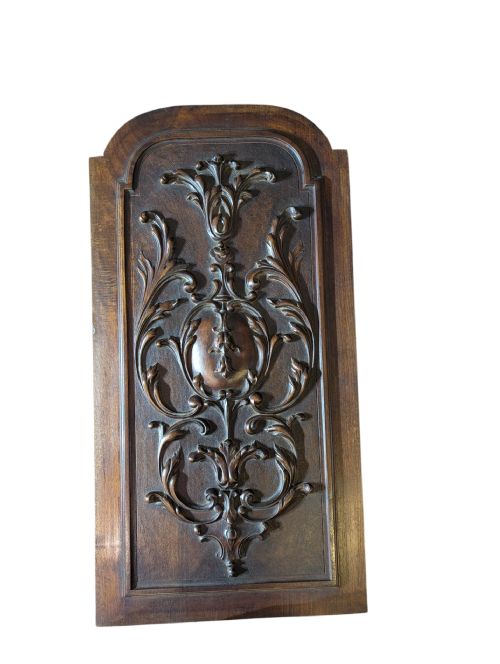
While many pieces originate from English Tudor and Jacobean workshops, others reflect Italian Baroque and Flemish influences. Buyers also encounter later Victorian and 1890 reinterpretations that emulate the heavy relief and dark timber tones of the earlier periods.
How they were made
The primary materials recorded in the evidence are oak and walnut, worked while seasoned to allow deep chiselling without splitting the timber. Craftsmen utilised hand gouges and chisels to achieve high relief carvings, linenfold folds, and intricate figural details directly into the solid wood.
Certain figurative panels incorporate supplementary finishes such as gold leaf and polychrome paint, while others rely on the natural grain of dark oak and fruitwood. Structural elements often show hand planing on the reverse and pegged mortise and tenon joints appropriate to architectural timber work.
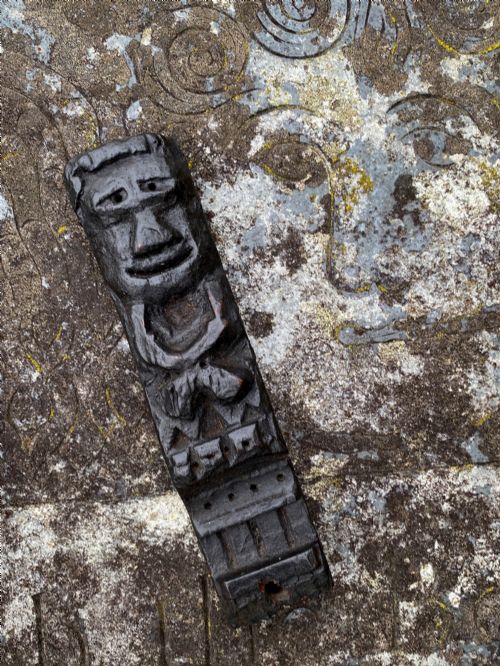
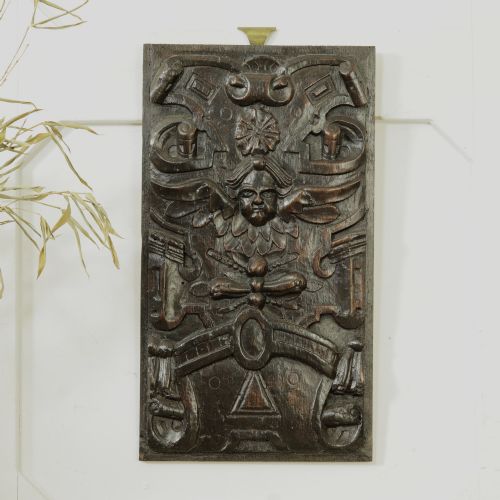
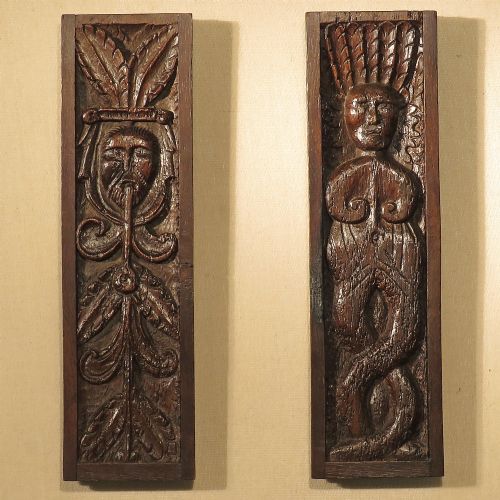
Among the sixteenth century panels, carved serpents and grinning green men peer out from the historic timber grain.
What varies in quality
The integrity of the original timber surface and the proportion of the figural composition determine the distinction between ordinary architectural salvage and exceptional sculptural panels.
The Renaissance Wood Carving Panel Glossary
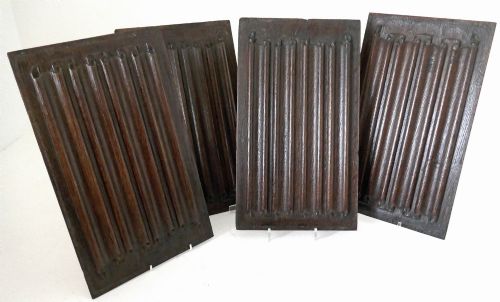
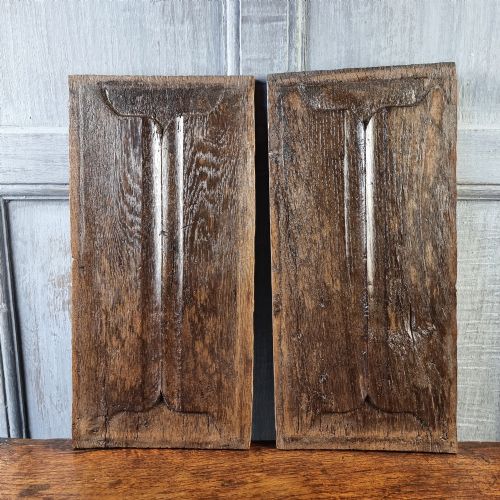
- Linenfold
- A style of wood carving popular in the Tudor period that imitates folded linen cloth. It gives flat panels a textured, vertical appearance.
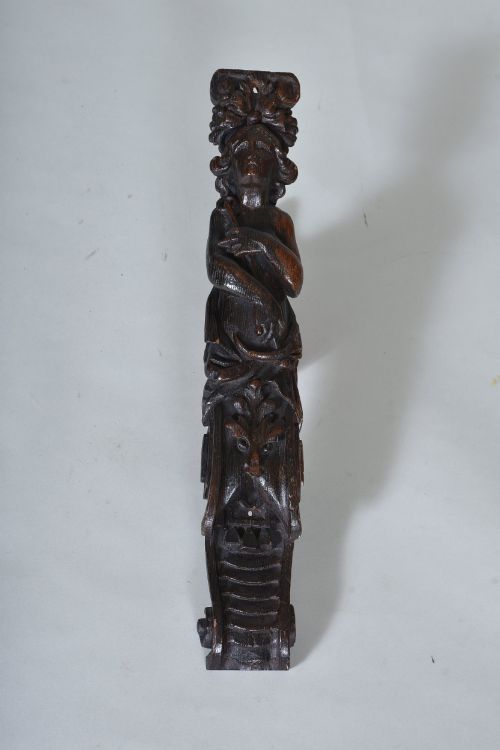
- Caryatid
- A carved human figure acting as an architectural support pillar. They appear frequently on sixteenth and seventeenth century furniture and panels.
- Overmantle
- A decorative panel or mirror frame placed directly above a fireplace. These often incorporate heavy relief carving or architectural mouldings.
- Polychrome
- Painted in several colours. This surface treatment appears on sixteenth century religious carvings alongside giltwood.
Renaissance Wood Carving Panel: Frequently Asked Questions
How were these panels originally used?
These carved panels formed part of larger architectural schemes, including wall panelling, church screens, coffer chests, and monumental sideboards.
They served both a decorative and symbolic function within wealthy domestic and ecclesiastical interiors of the sixteenth and seventeenth centuries.
How do I distinguish sixteenth century work from nineteenth century revivals?
Sixteenth and seventeenth century pieces display tool marks, timber shrinkage appropriate to age, and hand cut pegs within solid oak or walnut. Nineteenth century revival pieces often show softer mechanical shaping and different framing techniques.
Examining the reverse of the panel usually reveals the method of construction and the tool technology of the period.
How should I hang a heavy wooden panel?
Due to the substantial weight of solid oak and walnut panels, secure wall fixings into structural studs or masonry are essential.
French cleats or custom metal brackets provide stable support without placing undue stress on the historic timber frame.
What maintenance do antique wood panels require?
Keep wooden carvings away from direct heat sources and rapid humidity fluctuations to prevent the timber from splitting or warping.
An occasional light dusting with a dry cloth maintains the surface without the need for modern polishes or oils.