

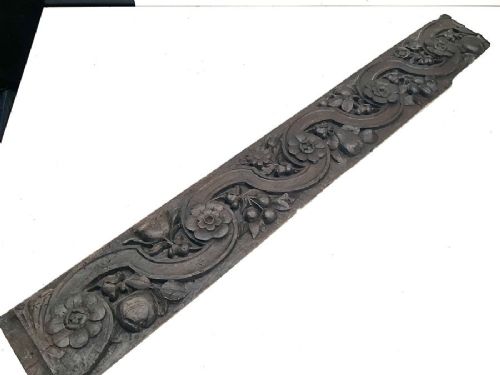


Elizabethan Carved Panel
These elizabethan carved panel examples are historic wooden reliefs and architectural fragments that bring sixteenth-century texture directly to your interior.
Elizabethan Carved Panel
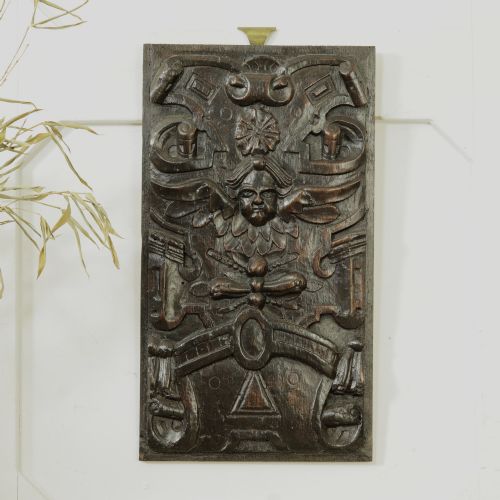
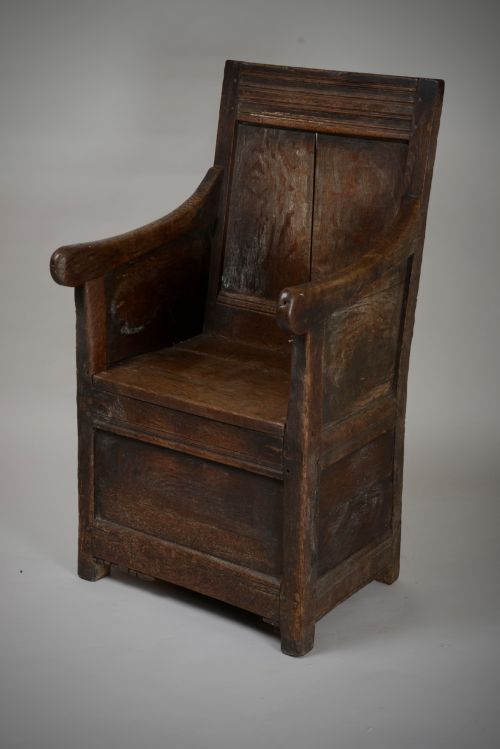
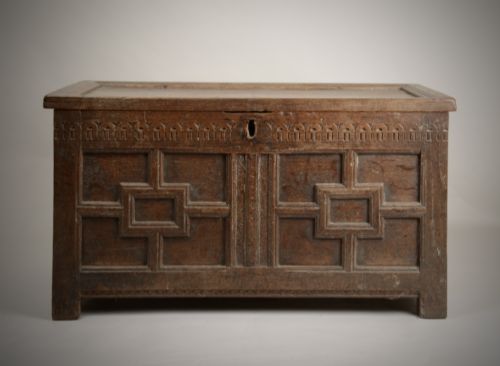
An elizabethan carved panel represents the domestic woodcarving of the sixteenth and seventeenth centuries, originating as wall reliefs, cupboard doors, or structural elements within larger furnishings. You are most likely to encounter individual wall panels depicting figural motifs, foliate patterns, or biblical scenes, alongside larger items like coffers, chests, and box chairs that incorporate these carved sections.
The material record spans solid oak, walnut, fruitwood, and timber, reflecting the heavy reliance on domestic hardwoods during the period. Alongside authentic sixteenth and seventeenth-century survivals, the selection includes later revivals, such as twentieth-century bookcases and architectural salvage produced in the historic style.
How they were made
Carvers shaped these wooden surfaces using gouges and chisels directly into solid oak, walnut, or fruitwood, achieving low and high relief work by hand. Panels were frequently integrated into larger constructions using traditional joinery methods, secured within frames or incorporated into coffers, beds, and cradles.
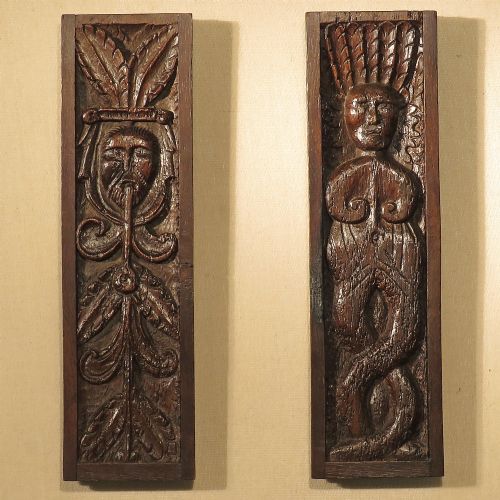
Makers utilised contrasting timbers for decorative effect, occasionally incorporating fruitwood inlay into the primary oak structure. Surface decoration ranged from geometric strapwork to detailed figural carvings such as Green Men, winged angels, and narrative scenes.
Carvers occasionally concealed traditional Green Men amongst foliate scrolls, watching over sixteenth-century households from within the wooden grain.
What varies in quality
The distinction in quality rests upon the depth, crispness, and complexity of the hand carving, separating simple geometric mouldings from high-relief figural work. Pieces demonstrating superior sculptural skill retain sharper details in faces, drapery, and foliate scrolls.
Material selection and structural integrity also divide the range, with dense English oak and figured walnut holding up better over centuries than softer timbers. The presence of period joinery and original surface patination distinguishes authentic early examples from later revival pieces.
The Elizabethan Carved Panel Glossary
- Coffer
- A heavy wooden chest with a lid, often heavily carved on the front panels. These served for storage and domestic transport during the Tudor and Elizabethan periods.
- Tester bed
- A bed featuring a wooden canopy or tester supported by posts. Surviving examples incorporate carved oak panels and headboards.
- Strapwork
- A decorative motif resembling flat bands or leather straps cut into scrollwork patterns. It is characteristic of Elizabethan and Renaissance ornament.
- High-relief
- A sculptural technique where figures or patterns project significantly from the background plane. This creates strong shadow and depth in wooden panels.
Elizabethan Carved Panel: Frequently Asked Questions
What is an elizabethan carved panel?
An elizabethan carved panel is a decorative piece of timber, typically oak or walnut, featuring hand-carved ornamentation from the sixteenth century or later revivals.
These elements originally formed parts of larger architectural schemes, walls, or furniture pieces before being separated into individual wall reliefs.
How were these panels used originally?
In sixteenth-century interiors, carved woodwork lined the walls of important rooms to provide insulation and display status. They also decorated the facades of chests, cupboards, and bedframes.
Master carvers produced intricate figural and geometric designs to adorn both domestic homes and civic buildings.
How do I date an antique oak panel?
Dating relies on examining the tool marks, timber shrinkage, joint construction, and stylistic motifs such as strapwork or Renaissance friezes. Sixteenth-century pieces display hand-riven oak and characteristic wear patterns developed over centuries.
Revival pieces from later periods often mimic these historic styles but reveal different construction methods and machine tooling upon closer inspection.
How do I hang a heavy wooden panel?
Mounting requires assessing the weight of the solid oak or walnut against the wall structure to ensure secure weight distribution. Professional framing or custom metal brackets that support the base and sides are typically employed.
Wall fixings must anchor securely into masonry or wall studs to bear the substantial load of dense historic timber.