


Antique Floral Wood Carving
These antique floral wood carving pieces bring botanical detail into interiors through centuries of craftsmanship.
Antique Floral Wood Carving
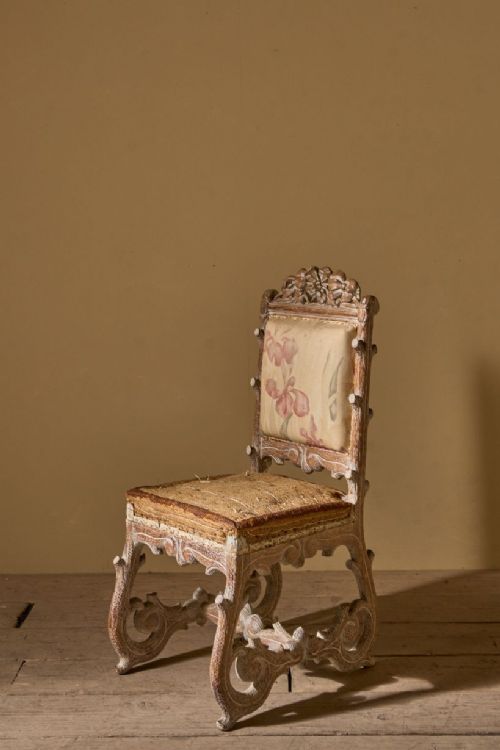
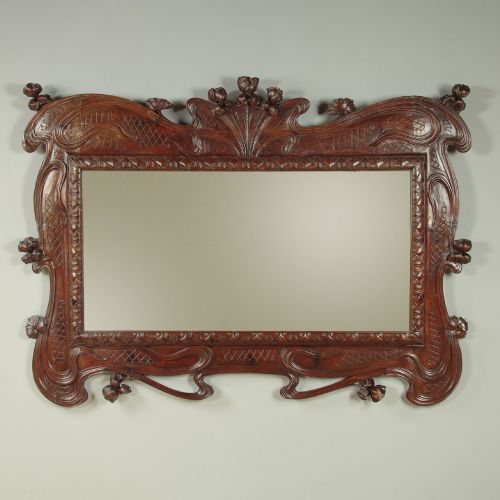
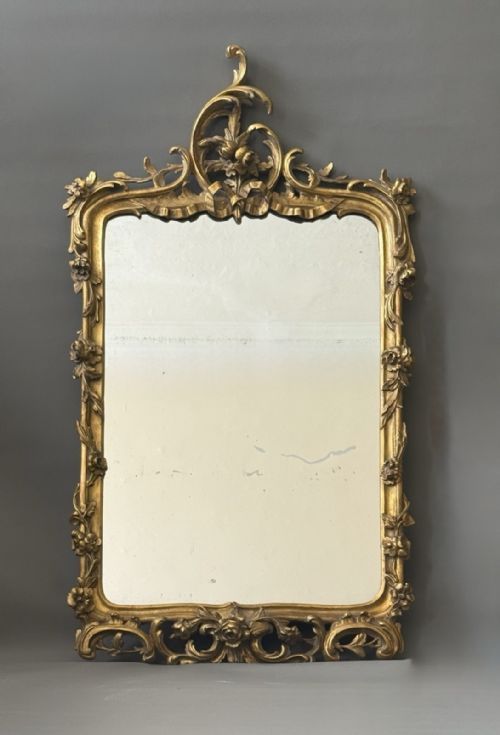
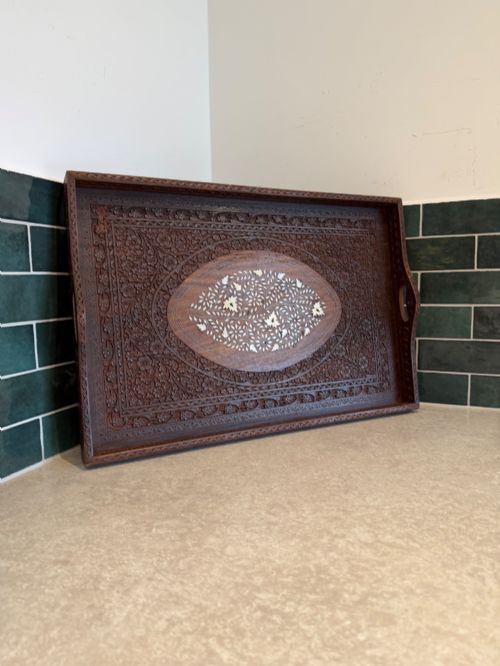
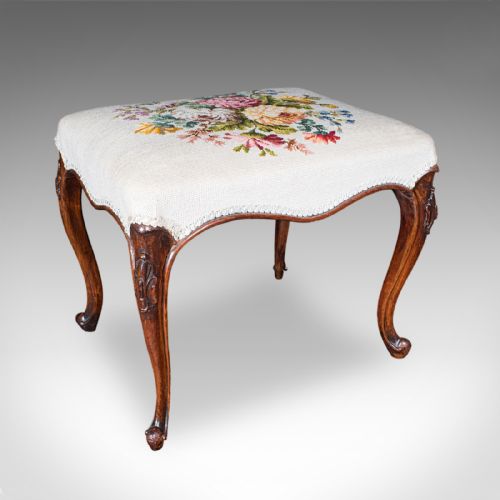
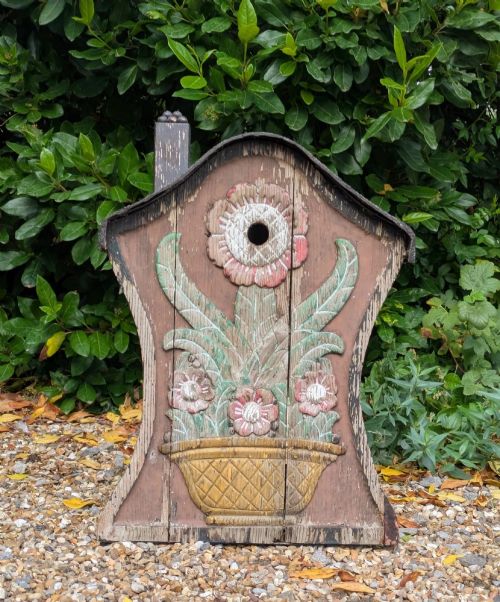
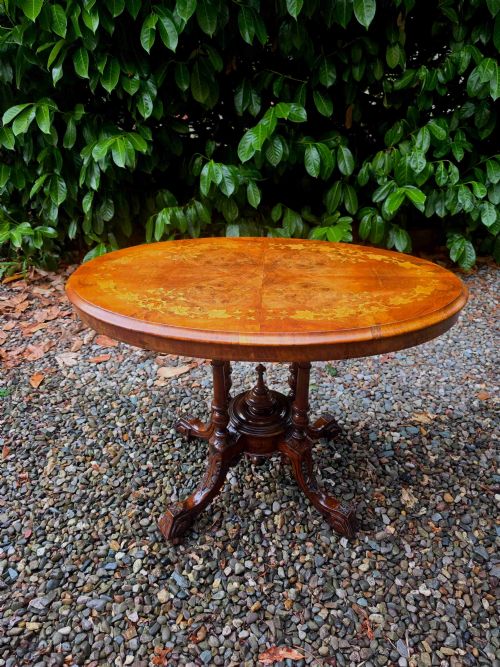
When you search for antique floral wood carving, you encounter a diverse collection of furnishings and decorative objects adorned with botanical motifs. The pieces span periods from the seventeenth century to the early twentieth century, encompassing styles such as Victorian, Arts and Crafts, and French Rococo.
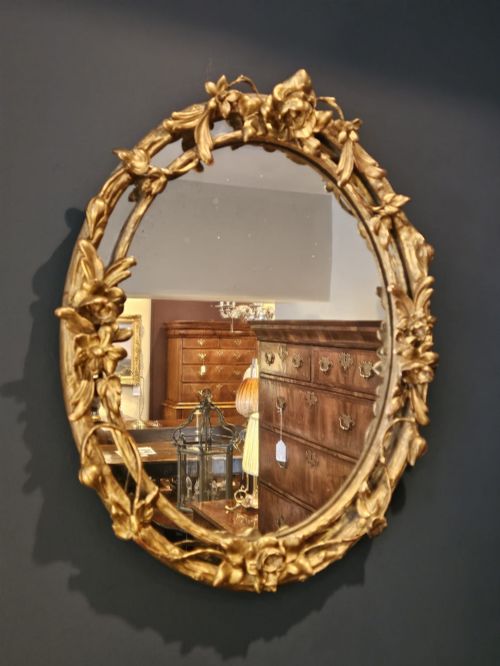
You are most likely to meet wall mirrors, occasional tables, and seating adorned with carved foliage, floral wreaths, and vine patterns. Originating from workshops across Europe, Britain, and Asia, these items demonstrate how artisan makers incorporated natural forms into domestic items.
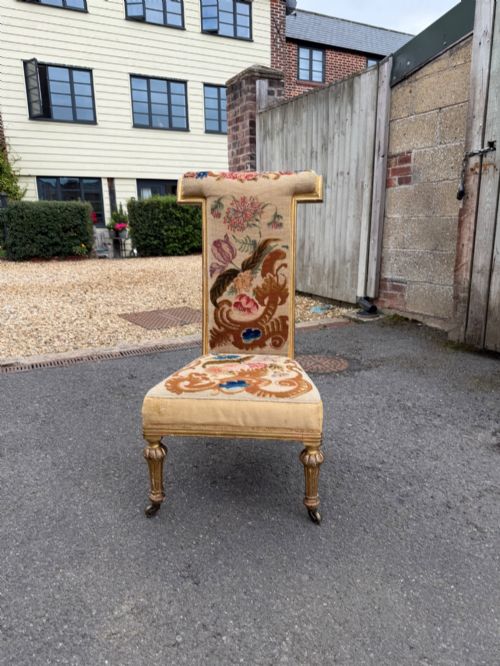
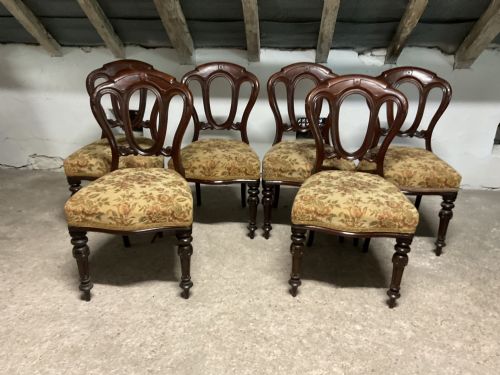
The assortment includes functional furniture like armchairs and side tables alongside decorative wall panels and mirrors. Each item displays the enduring appeal of botanical ornament translated into solid timber.
Assessing craftsmanship and execution
The distinction between standard items and superior examples lies in the depth and crispness of the chisel work. Master carvers achieved naturalistic movement in petals and leaves, whereas lesser pieces display flat, mechanical repetition.
Proportion and the integration of the carving with the underlying structure define the best works. Superior items maintain architectural integrity while showcasing elaborate botanical ornamentation that harmonises with the form.
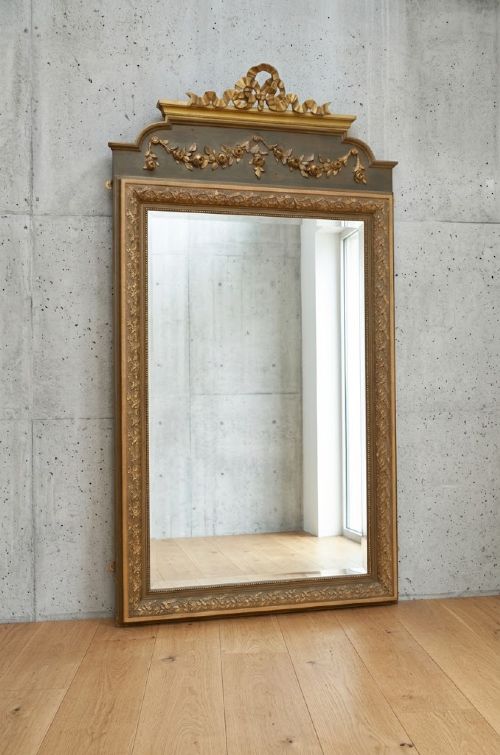
The listings feature 19th-century items prominently alongside examples from the 18th century, utilising walnut, mahogany, and giltwood.
Liberty of London
The Antique Floral Wood Carving Glossary
- Giltwood
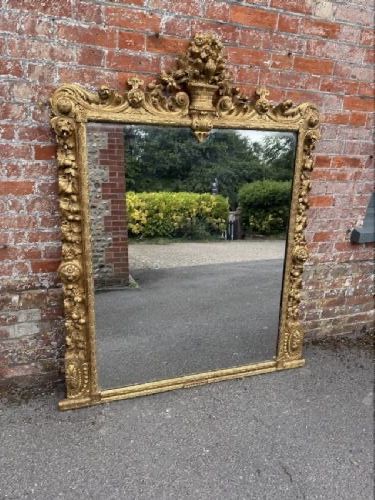
- Wood that has been coated with gold leaf or powder. This finish was commonly applied to mirrors and decorative frames to catch the light.
- Black Forest style
- A distinct manner of carving originating from Switzerland and Germany, characterised by naturalistic depictions of animals and foliage. Pieces in this style often utilise linden wood.
- Marquetry
- The art of applying thin veneers of wood to a structure to form decorative patterns. It frequently accompanies carved elements on tabletops and cabinets.
- Pole screen
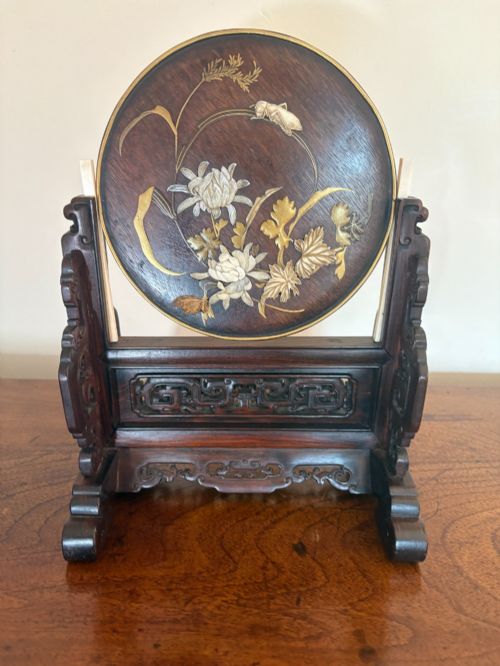
- A freestanding screen designed to protect a person's face from the heat of an open fire. An adjustable panel slides vertically on a central wooden pole.
Antique Floral Wood Carving: Frequently Asked Questions
What periods do these carvings come from?
The pieces span multiple eras, with significant representation from the nineteenth century and Victorian period. Earlier examples date back to the seventeenth and eighteenth centuries.
Craftsmanship evolved through these periods, shifting from heavy seventeenth-century oak and walnut to the refined gilding of the eighteenth century and the diverse regional styles of the Edwardian era.
How do I care for wooden carved furniture?
Keep carved wooden pieces away from direct sunlight and heat sources to prevent the timber from drying and splitting. Dust the intricate crevices regularly using a soft brush.
Avoid using harsh chemical polishes that can build up in the carved recesses. Occasional application of suitable wax helps maintain the lustre of the wood.
Are these items purely decorative?
Many items combine decorative floral carving with practical function. Categories include seating, tables, cabinets, and mirrors designed for everyday domestic use.
Other items, such as wall panels, fire screens, and table screens, served specific ornamental or protective roles in historic interiors.
What woods were commonly used?
Walnut, mahogany, and oak appear frequently across the inventory. These hardwoods offered the durability needed for detailed carving.
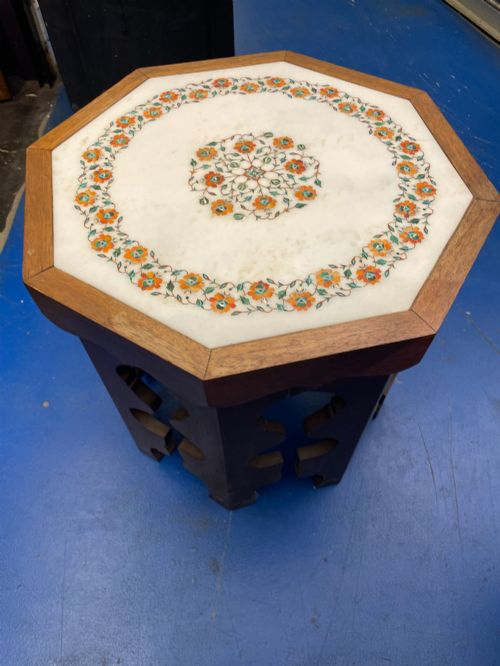
Linden wood and exotic hardwoods also feature in specific regional traditions like Black Forest pieces and Anglo-Indian tables.