






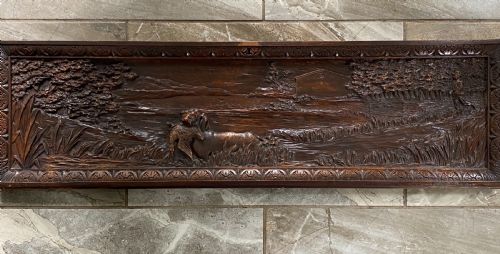
Dark Walnut Wall Panel
A dark walnut wall panel brings rich historic texture and deep timber tones directly into a room.
Dark Walnut Wall Panel
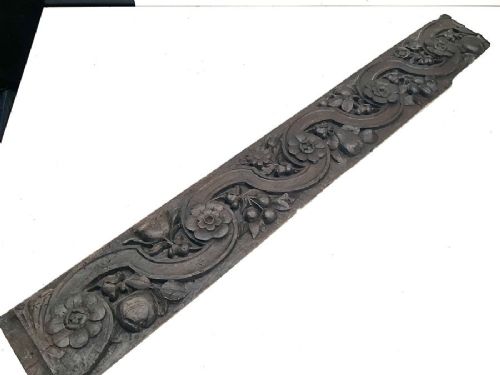
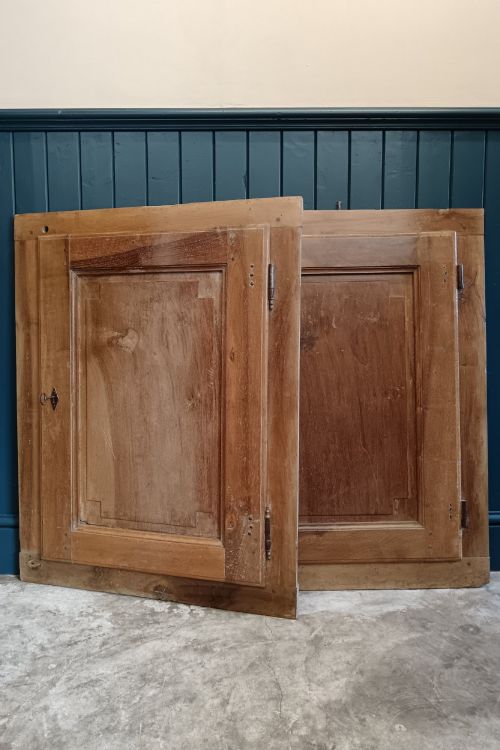
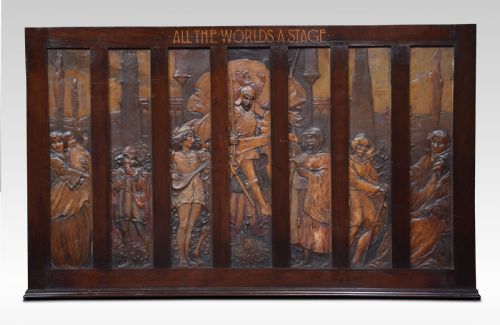
When you search for a dark walnut wall panel, you are looking at substantial timber pieces carved with historic scenes, armorial bearings, or architectural motifs. These items range from cupboard doors and cupboard frames to monumental relief carvings and architectural salvage originating across Europe.
The versions you are most likely to meet on this page span several centuries, with pieces dating from the sixteenth century through to the early twentieth century. Styles vary widely, taking in Black Forest hunting scenes, Tudor carvings, Italian provincial work, and French Louis XIII designs.
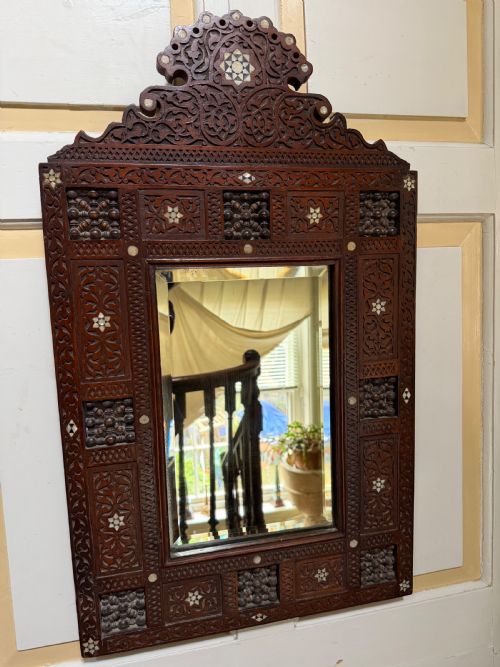
Many examples function as wall plaques, wall reliefs, or overmantel mirrors framed in timber, often integrating oak, glass, iron, or mother-of-pearl alongside the primary walnut. Their forms include architectural salvage, wall clocks, armorial panels, and overdoor carvings.
How they were made
Maker techniques rely heavily on hand carving into dense walnut timber, producing deep relief scenes of figures, animals, and classical termes. Artisans also utilised inlay techniques, combining contrasting woods and materials such as mother-of-pearl to add visual depth to mirrors and plaques.
Structural elements frequently incorporate secondary timbers like oak alongside iron fixings and glass panels for mirrors. These materials were shaped into architectural cupboard doors, frames, and wall plaques using traditional joinery and hand-carving tools appropriate to each period.
Watch out for nineteenth-century hunting dogs and carved horses staring down from your wall with intense enthusiasm.
What varies in quality
The depth and clarity of the hand carving separate simpler panels from exceptional examples, particularly in figural scenes and classical termes. Finer pieces demonstrate precise anatomical detail in human and animal subjects, whereas lesser items rely on simpler, flatter incisions.
The integrity of the walnut timber and the sophistication of the surrounding frame or architectural salvage elements also determine standing. Original patination and integrated materials such as mother-of-pearl or iron hardware elevate the visual authority of a panel.
Hugues Sambin
The Dark Walnut Wall Panel Glossary
- Black Forest
- A nineteenth-century carving style originating in Germany, typically depicting wildlife and hunting scenes. These panels feature dogs, horses, and forest motifs carved in deep relief.
- Terme
- A pillar or pedestal tapering toward the base, surmounted by a bust or figure. These architectural supports appear in sixteenth-century walnut carvings.
- Armorial panel
- A carved wooden panel displaying a coat of arms or heraldic symbols. These items record family lineages and civic identities.
- Overmantel mirror
- A large looking glass designed to hang above a fireplace mantel. Walnut-framed versions often combine carved timber with glass and secondary woods.
Dark Walnut Wall Panel: Frequently Asked Questions
How do I hang a heavy walnut panel?
Heavy carved walnut panels require secure wall anchoring into studs or masonry due to the dense weight of the timber. Professional mirror plates or hidden french cleats are typically employed to distribute the load evenly across the structure.
Ensuring the mounting hardware matches the weight of the specific architectural salvage or framed plaque prevents any strain on the antique wood.
Where were these panels originally placed?
Many of these pieces originated as functional architectural elements inside European chateaux, manor houses, and provincial buildings. They served as cupboard doors, overdoor panels, or overmantel framing above fireplaces.
Over time, many were removed from their original settings and repurposed as standalone wall plaques, reliefs, or decorative mirrors.
How do I care for dark walnut wood?
Maintain the timber by keeping it away from direct heat sources and strong sunlight, which can dry out and fade the dark walnut surface. Occasional dusting with a soft, dry cloth preserves the historic patination.
Avoid applying modern silicone polishes, as they can build up on hand-carved surfaces and attract dust into the recesses of the relief.
How can I tell the period of a panel?
Dating relies on stylistic clues such as the characteristic strapwork of the Tudor era, the robust motifs of Louis XIII design, or the naturalistic animals of nineteenth-century Black Forest work. Tool marks and the choice of secondary woods also offer guidance.
Comparing the carving depth and joinery techniques helps distinguish sixteenth-century examples from later nineteenth-century revivals.