


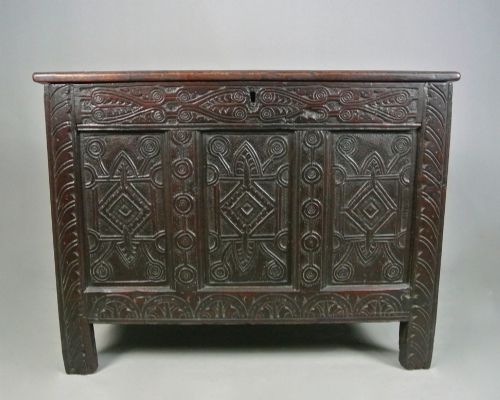
Antique Wood Carving Panel
An antique wood carving panel brings centuries of architectural grain and chisel work straight to a plain wall.
Antique Wood Carving Panel
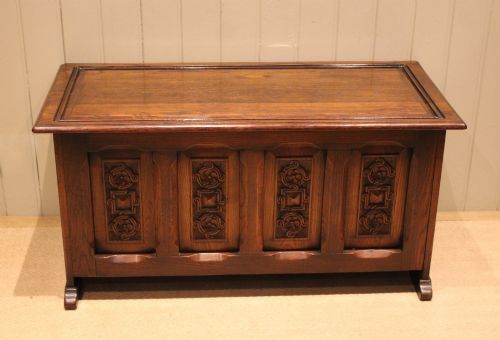
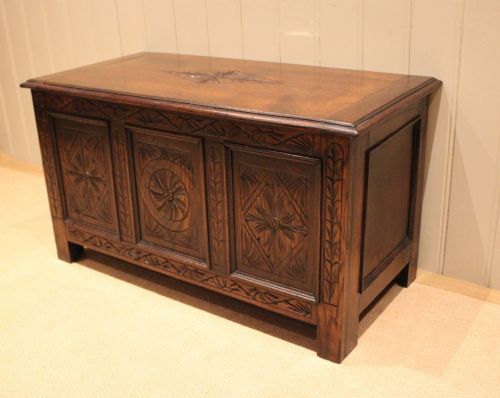
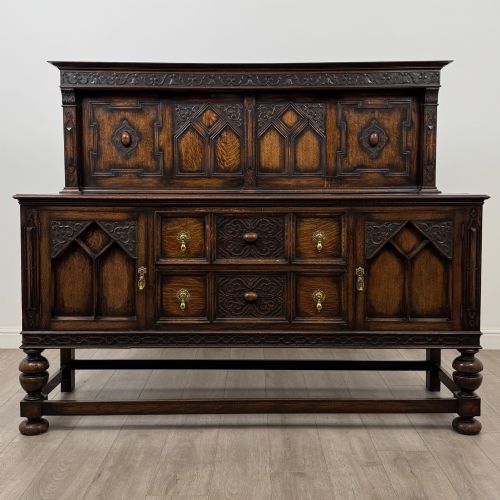
An antique wood carving panel appears in various architectural forms across this selection, ranging from medieval church remnants to domestic wall plaques and overmantle fittings. Buyers seeking an antique wood carving panel usually encounter solid timber sections salvaged from larger furniture items, such as coffers, chests, and sideboard fronts, or independent architectural reliefs.
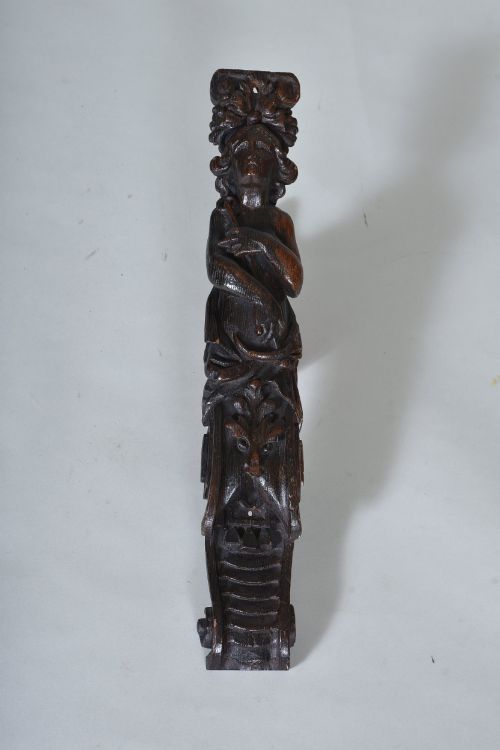
The periods represented stretch from the sixteenth century through the seventeenth and eighteenth centuries into Victorian and Edwardian revivals, with oak dominating the early centuries. Pieces take the form of wall panels, heraldic plaques, and figural reliefs depicting subjects like linenfold patterns, biblical scenes, and historical figures.
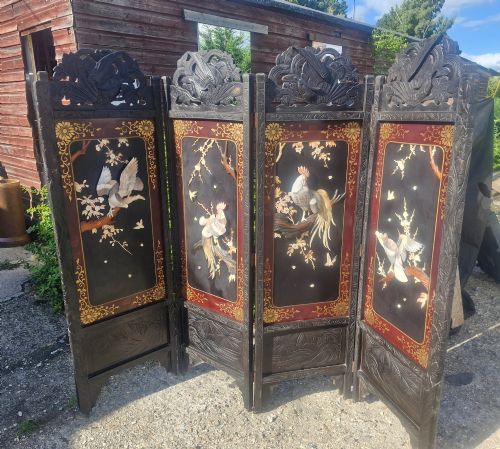
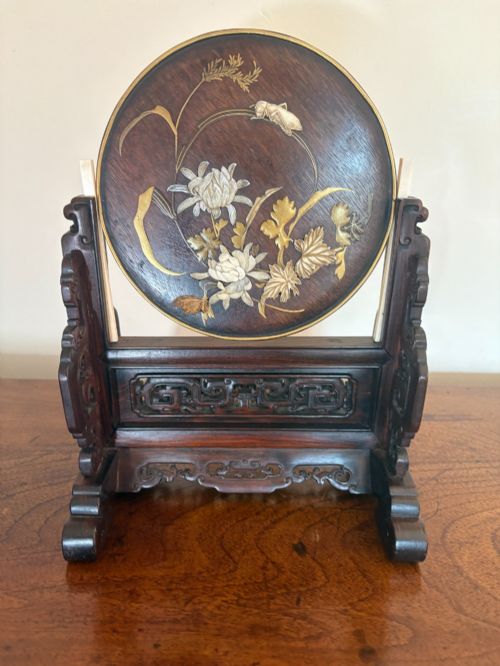
Earlier examples display the heavy timber construction and deep chisel marks of the Tudor and Stuart eras, whilst later nineteenth-century pieces often adopt Jacobean or Gothic revival motifs. The selection also includes imported Asian folding screens and panels utilising distinct carving techniques on alternative woods.
Materials and construction
Carpenters and joiners worked primarily with native timber, selecting quarter-sawn oak for its durability and prominent medullary rays that accept crisp chisel work. Panels were typically held within mortise and tenon frames, allowing the solid wood to expand and contract naturally with seasonal humidity changes without splitting.
Carvers utilised gouges, chisels, and V-tools to cut directly into the timber surface, creating varying depths of relief from low linenfold patterns to high three-dimensional figures. Secondary materials occasionally appear in mountings, including brass hinges, iron strapwork, and applied gesso details on later decorative frames.
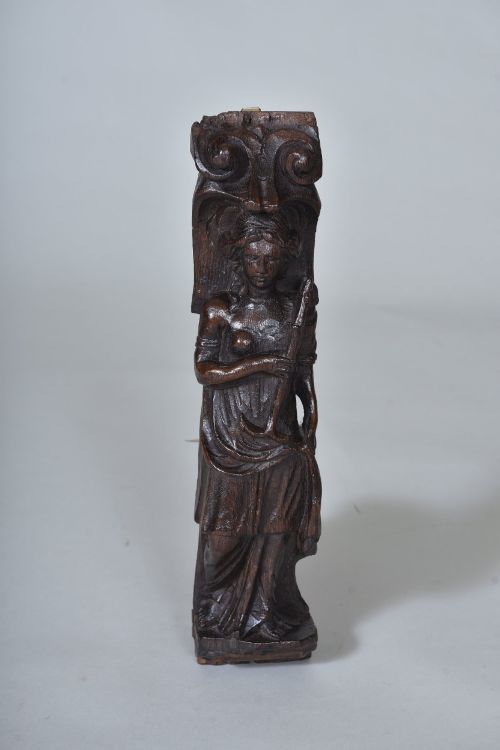
A sixteenth-century oak carving depicts the praying virgin standing on the half moon with a snake, capturing medieval domestic devotion.
Assessing craftsmanship and condition
Quality rests in the crispness of the hand-carved detail and the depth of the relief, where sharper undercut shadows distinguish master joinery from mechanical or later imitation work. The integrity of the original timber surface, showing honest age-related patina without excessive modern scraping or chemical stripping, defines the better examples.
Proportion and architectural balance set finer structural panels apart, particularly when figures or heraldic motifs retain their anatomical clarity and expressive depth. Pieces that remain integrated within their original framing or retain authentic mounting hardware command greater regard among collectors.
The Antique Wood Carving Panel Glossary
- Linenfold
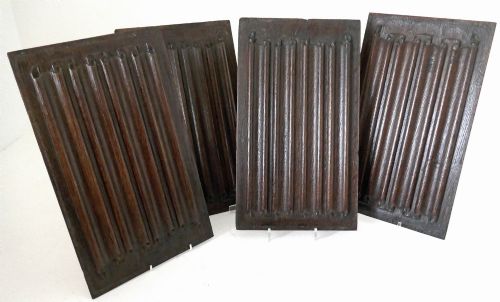
- A style of relief carving imitating folded linen or parchment, popular on sixteenth-century oak panels and furniture. This technique creates a vertical symmetrical ripple across the wood surface.
- Coffer
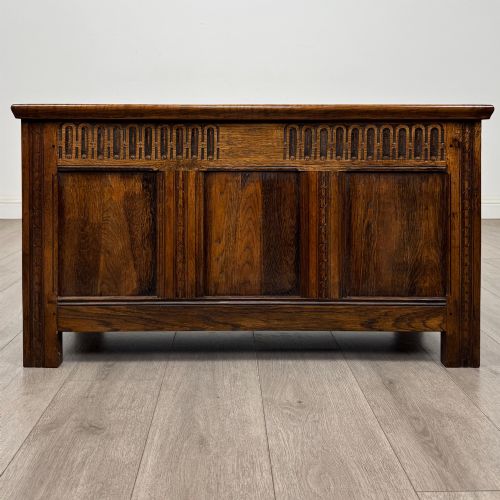
- A large wooden chest used historically for storage, often featuring front panels carved in geometric or figural styles. These boxes represent a primary source for salvaged antique panels.
- Wainscot
- A type of fine English oak used for panel walls and heavy armchairs during the sixteenth and seventeenth centuries. The term also describes the sturdy proportions typical of domestic joinery from this period.
- Overmantle
- A decorative architectural fitting positioned above a fireplace opening. Surviving wooden examples frequently incorporate high-relief carving or heraldic plaques.
- Medullary rays
- Natural ribbon-like cellular structures visible in quarter-sawn oak timber. These bright flecks indicate traditional splitting methods used by historical joiners.
Antique Wood Carving Panel: Frequently Asked Questions
How were these panels used originally?
Historical panels served as decorative wall linings within timber-framed houses, insulation against cold stone walls, or structural components of large storage chests and altarpieces. They formed integral parts of domestic and ecclesiastical interiors to display status and craftsmanship.
Over subsequent centuries, many panels were salvaged from dismantled furniture or architectural alterations to be mounted directly onto walls as standalone decorative art.
How do I mount a heavy panel safely?
Mounting heavy timber requires securing the weight directly into wall studs or masonry using appropriate brackets that support the base and sides. Timber panels react to indoor climate shifts, so avoid placing them near direct heat sources or damp exterior walls.
Professional framing or custom steel brackets ensure the piece hangs securely without placing undue stress on the ancient joints or carved surface.
How do I tell sixteenth century work from later revivals?
Early sixteenth and seventeenth-century work displays tool marks left by hand chisels, irregular grain patterns, and structural wear consistent with centuries of use. The timber often shows hand-cut peg joints and shrinkage that machinery cannot replicate.
Nineteenth-century Gothic and Jacobean revival pieces generally exhibit more uniform machine-sawn backing boards, sharper standardised symmetry, and cleaner joinery methods characteristic of later Victorian workshops.