

Antique Oak Carving
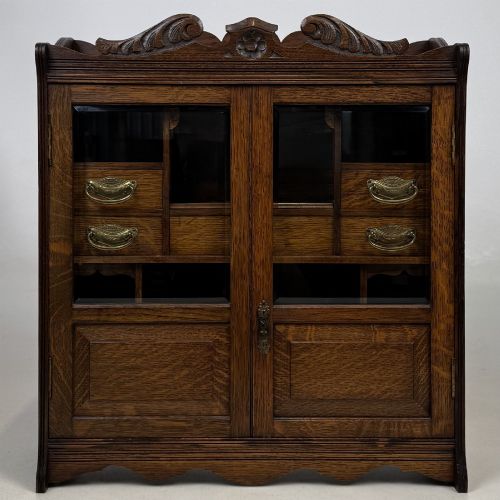
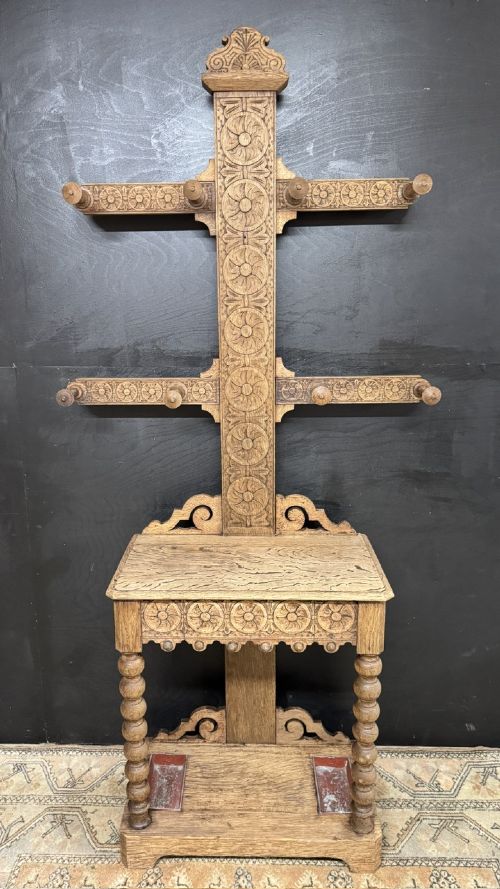
Antique oak carving encompasses panels, architectural fragments, and figurative appliques crafted across the sixteenth, seventeenth, and eighteenth centuries.
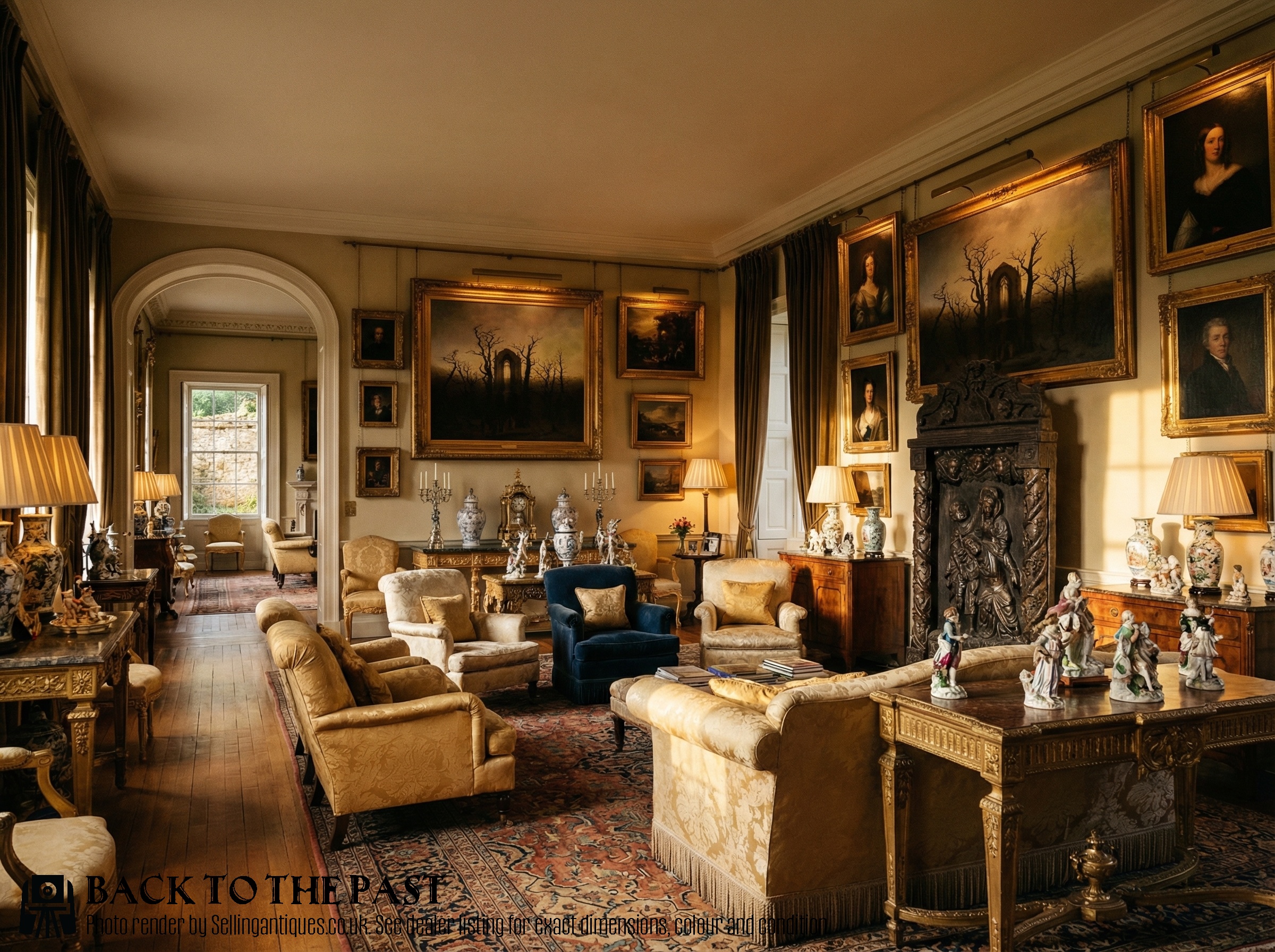
Antique Oak Carving
Antique oak carving involves architectural elements, furniture mounts, and wall panels rescued from period interiors or integrated into larger pieces. Buyers search for these items to introduce historic texture and figurative detail into domestic spaces.
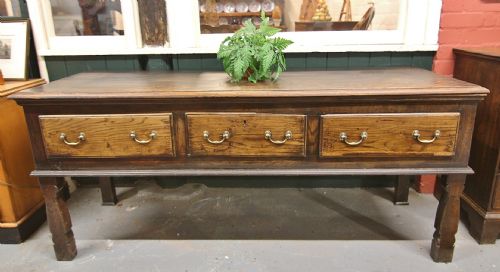
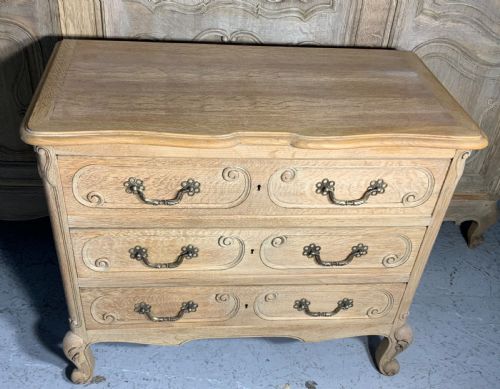
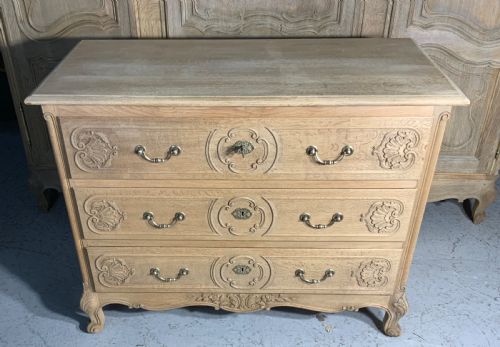
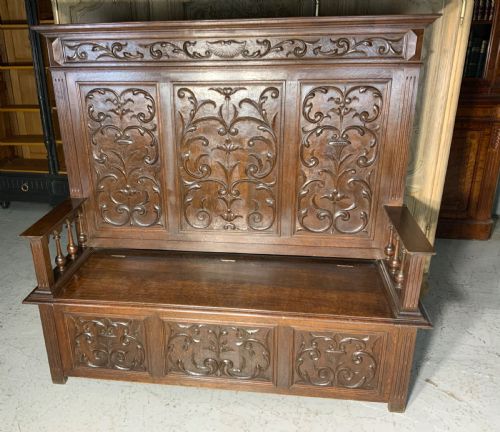
The selection ranges from sixteenth-century linenfold panels and seventeenth-century green man appliques to eighteenth-century coffer fronts and architectural fragments. Domestic furniture such as coffers, court cupboards, and refectory tables frequently incorporate these sculptural elements.
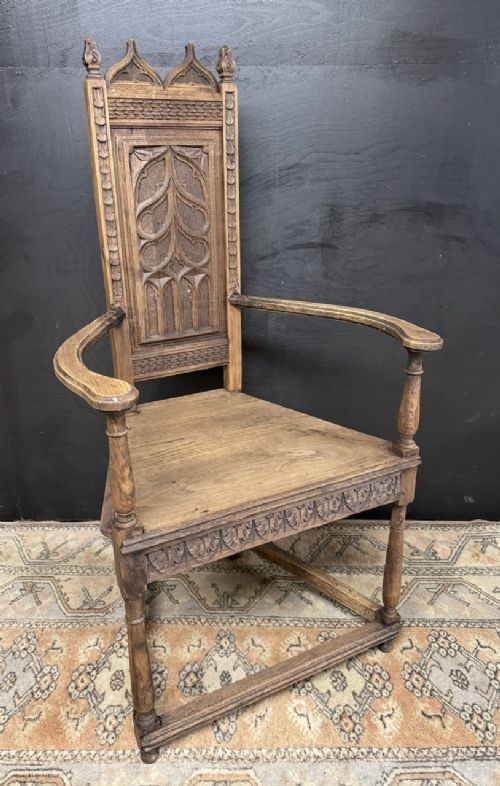
Meticulous handiwork defines the origin of these items, originating from English, French, and Flemish workshops. Surviving examples demonstrate the transition from Gothic tracery to Renaissance motifs and Jacobean ornamentation.
How they were made
Craftsmen worked primarily with solid oak, utilising its dense grain to execute deep relief work and sharp detailing. Secondary materials such as beech, brass, and iron appear in supporting structures or hardware.
Woodcarvers employed gouges, chisels, and hand planes to shape panels and appliques directly from seasoned timber. Surface finishes developed naturally through beeswax application, handling, and environmental exposure over centuries.
Antique Oak Carving Retail Price Guide 2026
Typical asking prices for oak carving among the pieces listed under this phrase on Sellingantiques today, from the lower quarter to the upper quarter. They describe what is for sale here now, not the wider market.
Listings feature oak panels and architectural fragments spanning the fifteenth to the twentieth centuries, encompassing Gothic, Renaissance, and revival styles.
What varies in quality
The distinction between tiers rests upon the crispness of the chisel work and the depth of the relief. Superior examples exhibit confident anatomical proportions in figures such as caryatids, cherubs, and green men, whereas inferior pieces display hesitant lines and shallow incisions.
Integrity of origin also dictates standing, separating pieces retaining their original structural context from later assemblies or composite items. The quality of the timber grain and the survival of untouched surfaces further differentiate standard items from exceptional survivals.
The Antique Oak Carving Glossary
- Green Man
- A sculptural motif depicting a human face emerging from or entwined with foliage. This symbol appears frequently on architectural woodwork and furniture across the medieval and revival periods.
- Linenfold
- A style of wood moulding carved to resemble folded lengths of vertical cloth. It is commonly found on sixteenth-century panels and coffer fronts.
- Caryatid
- A sculpted female figure serving as an architectural support or decorative pillar. These architectural elements feature prominently on Flemish and English furniture appliques.
- Traceried Panel
- A wooden panel pierced or carved with geometric patterns derived from Gothic stone window tracery. Such panels date primarily from the fifteenth and sixteenth centuries.
- Applique
- A carved wooden element applied to the surface of a larger piece of furniture or overmantel. These decorative sections were frequently carved separately before being fixed in place.
Antique Oak Carving: Frequently Asked Questions
What is a green man carving?
A green man carving represents a male face surrounded by or composed of leaves, vines, and branches. It signifies rebirth and the cycle of growth in historic woodwork.
These motifs appear on ecclesiastical furniture, domestic coffers, and Victorian revival sideboards. The expression ranges from serene to grotesque depending on the period of execution.
How do I date antique oak carvings?
Dating relies on tool marks, timber shrinkage, stylistic shifts, and construction methods. Sixteenth-century pieces often display Gothic tracery or linenfold patterns, while seventeenth-century items favour strapwork and figurative appliques.
Examining the rear of the panel reveals the method of timber preparation. Hand-riven boards differ significantly from later machine-sawn equivalents.
Where were these carvings originally placed?
Many surviving carvings originated as structural elements within domestic or ecclesiastical interiors. They adorned overmantels, church pews, wall panels, and court cupboards.
Over the centuries, individual panels and figures were detached from their original framework and mounted for display as independent works of art.
How should I care for antique oak carvings?
Maintenance involves preserving the dry timber and protecting the historic surface from direct heat and sunlight. Regular application of suitable beeswax helps nourish the grain.
Avoid modern liquid polishes containing silicone, which can penetrate porous historic timber and alter the natural patina accumulated over generations.