



Gothic Religious Sculpture
Gothic religious sculpture comprises devotional carvings in wood and stone that bring solemnity and centuries of ecclesiastical craftsmanship into a room.
Gothic Religious Sculpture
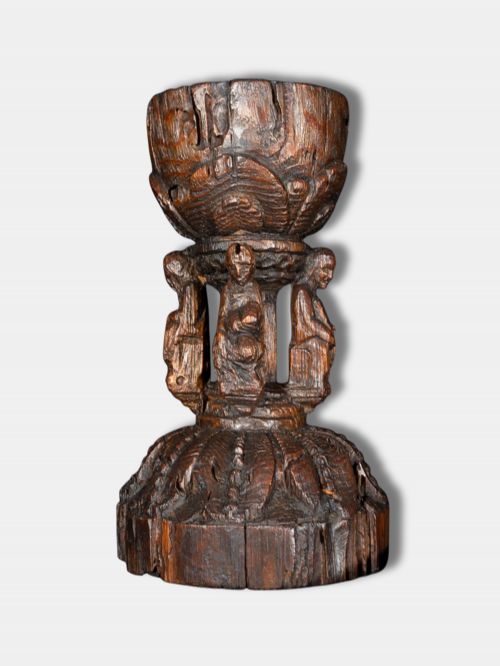
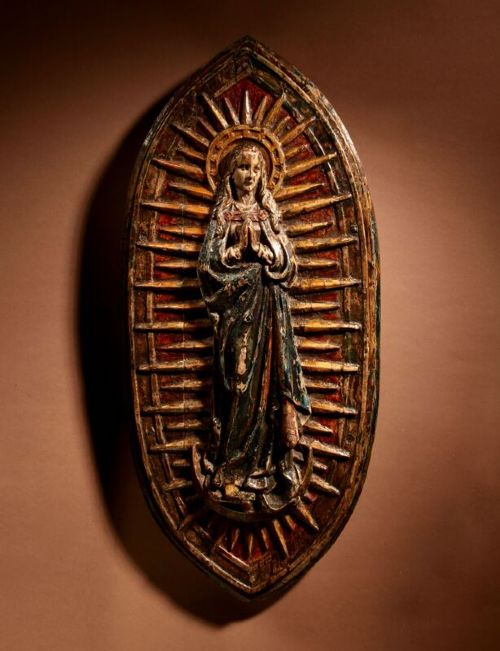
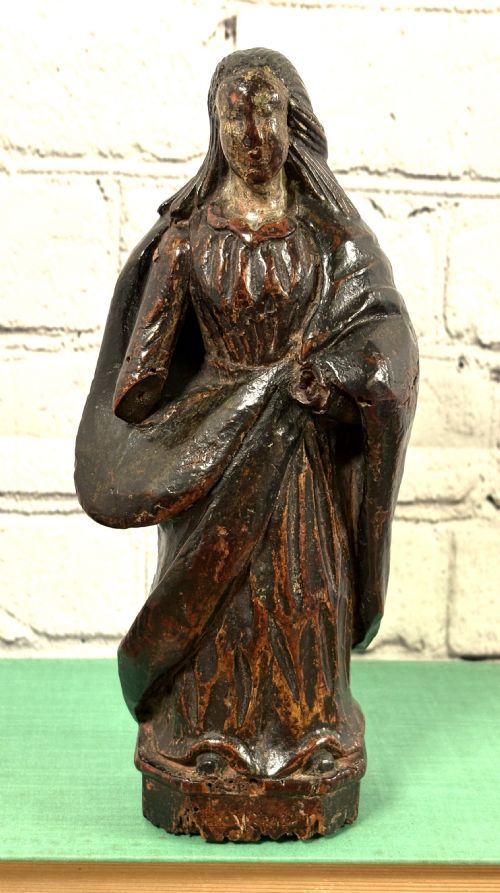
When you search for gothic religious sculpture, you encounter devotional figures, altarpiece fragments, and saints created for European churches from the medieval period through the Renaissance. The inventory spans pre-sixteenth century church figures and sixteenth-century oak carvings alongside nineteenth-century Gothic Revival interpretations.
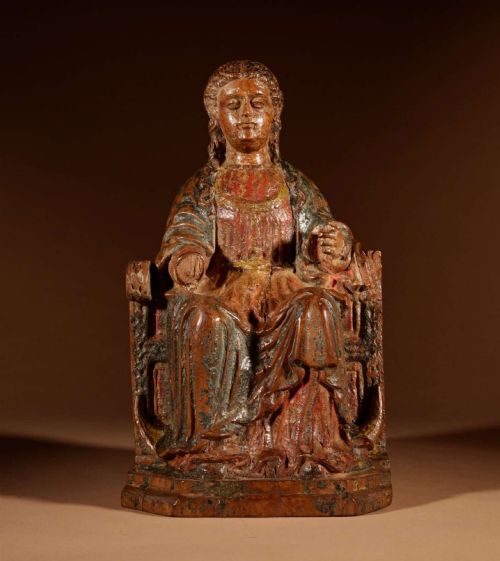
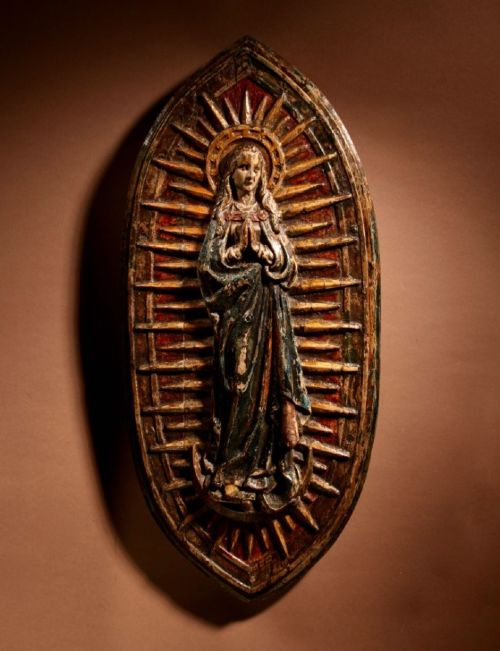
Most pieces represent biblical figures, including the Madonna and Child, saints, angels, and scenes of the Passion carved in high relief or as freestanding statues. These range from substantial oak panels and limewood figures to smaller devotional studies intended for prayer and contemplation.
How They Were Made
Gothic Religious Sculpture Retail Price Guide 2026
Typical asking prices for gothic religious sculpture among the pieces listed under this phrase on Sellingantiques today, from the lower quarter to the upper quarter. They describe what is for sale here now, not the wider market.
Angels and saints occasionally gaze upward with slightly mismatched eyes, carved to look correct only when viewed from below in a high church alcove.
What Varies in Quality
The distinction between ordinary workshop pieces and exceptional master carvings lies in the depth of the relief and the anatomical conviction of the hands, faces, and drapery. Superior works display a fluidity in the carved folds of fabric and a psychological intensity in the expressions of saints and mourners.
Original surface treatments dictate much of the desirability, with works retaining untouched layers of early polychrome paint and gilding holding greater historical integrity than stripped wood. The complexity of the composition, such as multi-figure groups or intricate altarpiece panels, likewise elevates the standard of the carving.
Rouillard Angers
The Gothic Religious Sculpture Glossary
- Polychrome
- Painted in several colours. This surface decoration was commonly applied over a gesso ground on medieval and Renaissance wood carvings.
- Gesso
- A plaster mixture used as a smooth base for painting and gilding on wood sculptures. It allowed carvers to refine fine details before adding colour.
- Altarpiece
- A structured artwork placed behind an altar. Central panels from these large wooden assemblies often survive as standalone sculptural fragments.
- Limewood
- A soft, pale wood favoured by continental carvers for intricate detail work. It permitted deep undercutting without splitting during the sculpting process.
- Pieta
- A representation of the Virgin Mary holding the dead body of Christ. This specific devotional subject appears frequently in late medieval wood sculpture.
Gothic Religious Sculpture: Frequently Asked Questions
How old are these sculptures?
The pieces span from pre-sixteenth century medieval works and sixteenth-century Renaissance carvings to nineteenth-century Gothic Revival interpretations. Each era brings distinct stylistic traits to the facial expressions and drapery.
Carbon dating is rarely used, so age is determined through wood analysis, tool marks, and stylistic comparisons with documented church furnishings of the period.
Were these originally painted?
Many sculptures originally featured bright polychrome paint, gesso, and gold leaf designed to catch candlelight within dim ecclesiastical spaces. Over the centuries, much of this pigment was lost or deliberately stripped.
Surviving traces of original paint provide vital clues regarding the date and geographical origin of a carving. Unpainted wood surfaces often reflect later aesthetic preferences rather than original intent.
Where were these sculptures placed?
Devotional figures typically stood within church altarpieces, on rood screens, or in private chapels for personal prayer. Larger reliefs formed central panels of winged altars in European churches.
Smaller figures and fragments found their way into domestic settings as collectors gathered ecclesiastical art during the nineteenth-century Gothic Revival.
How do I care for antique wood sculpture?
Maintain stable humidity levels and keep wooden carvings away from direct sunlight and heat sources to prevent cracking. Dust gently with a soft brush rather than using liquid polishes.
Avoid applying modern waxes over original polychrome surfaces or exposed gesso, as these treatments can trap moisture and damage fragile historical finishes.