
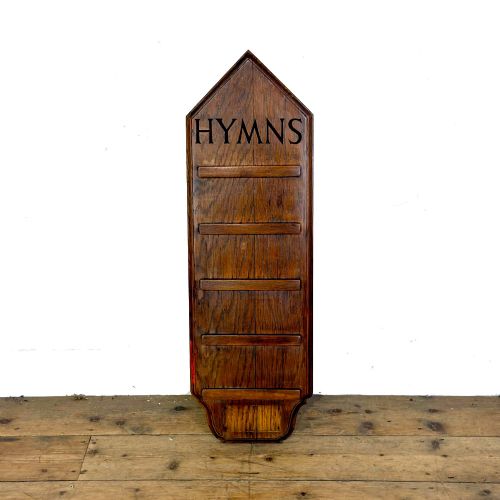
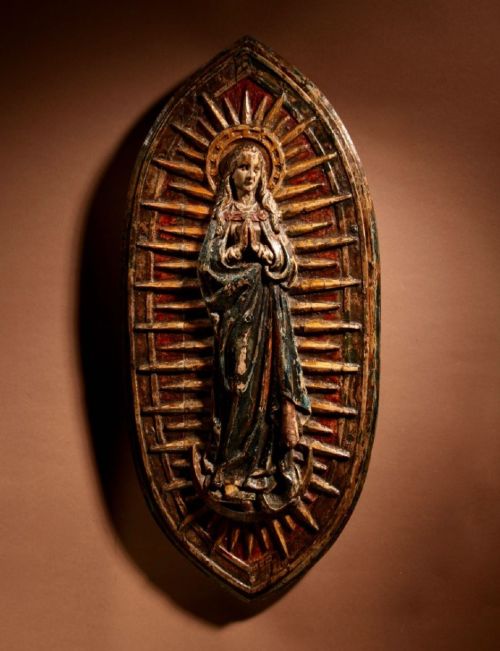
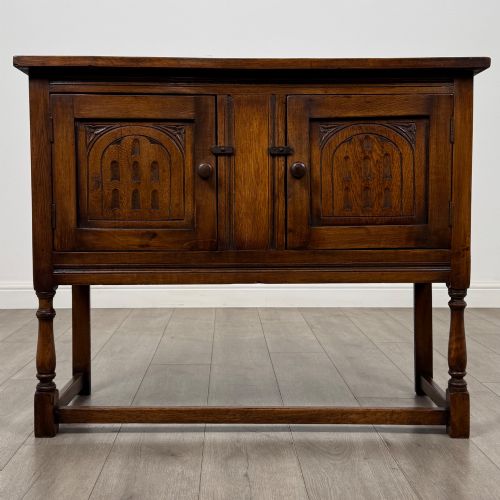
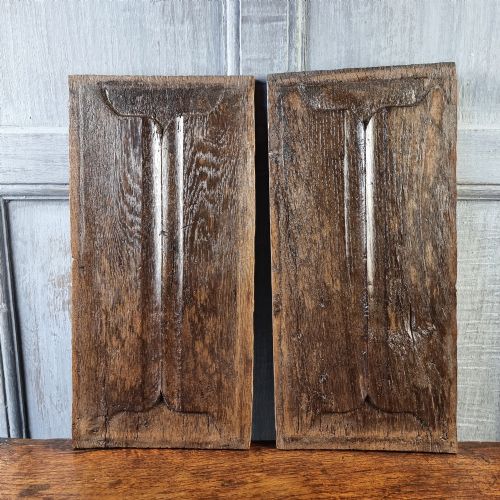
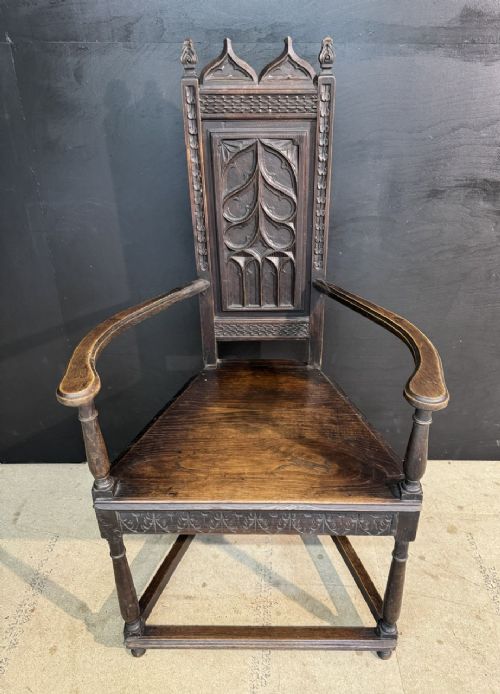
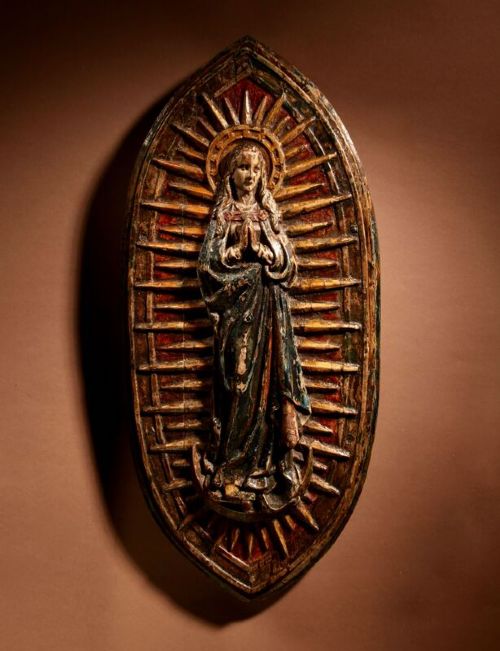
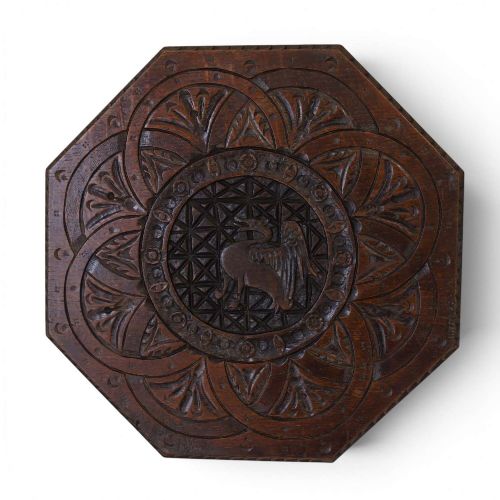
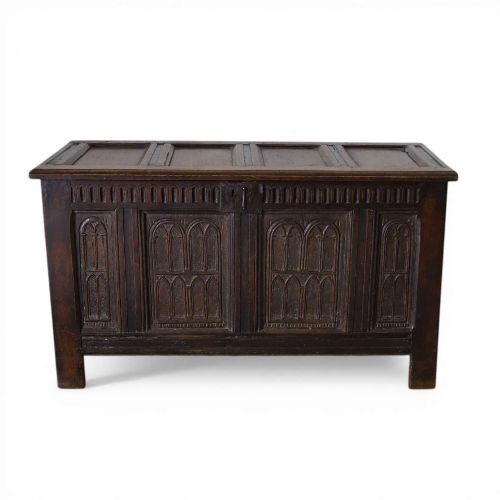
Gothic Oak Panel
A gothic oak panel brings centuries of architectural history into domestic spaces through rich relief carving and sombre timber tones.
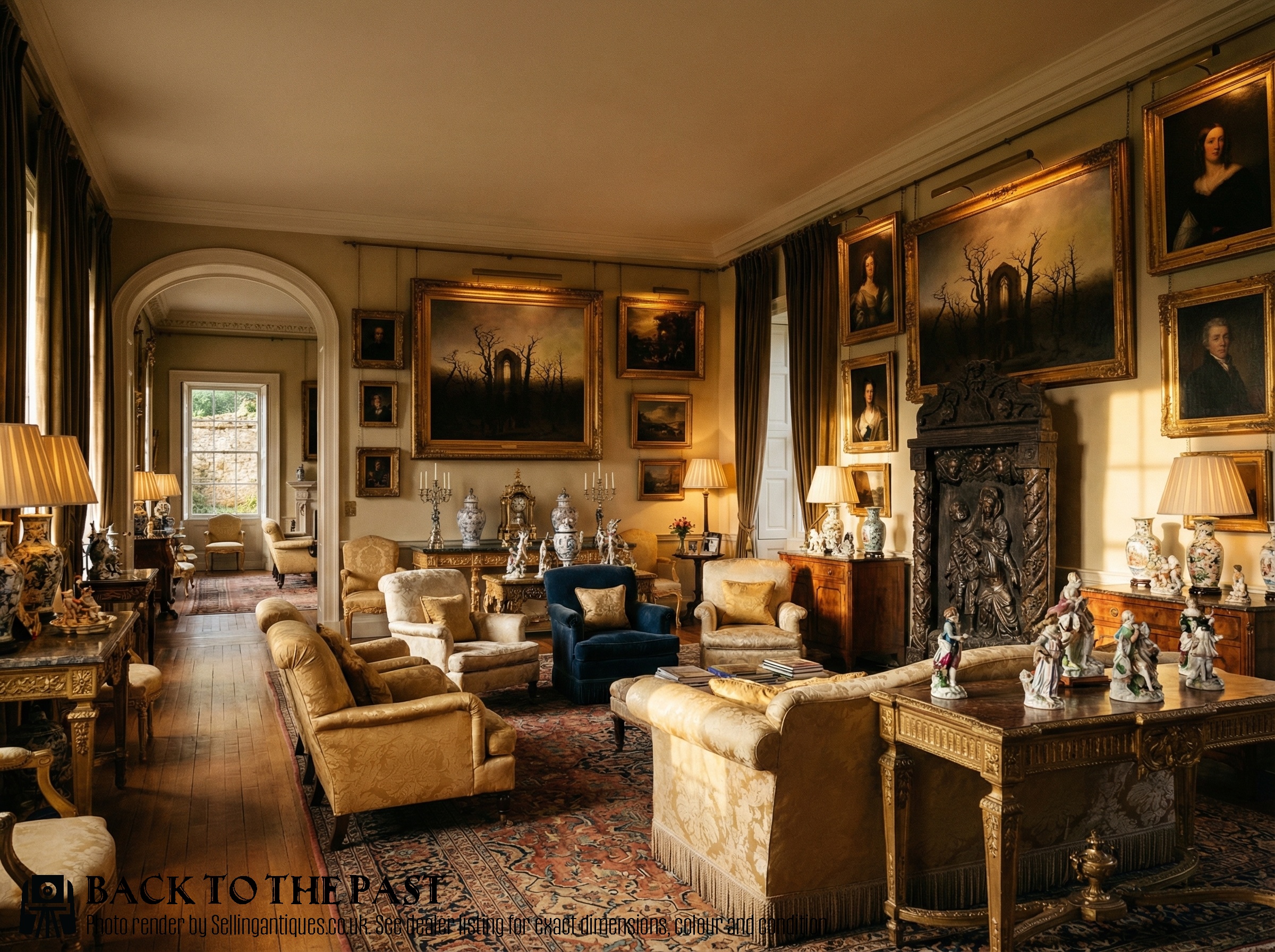
Gothic Oak Panel
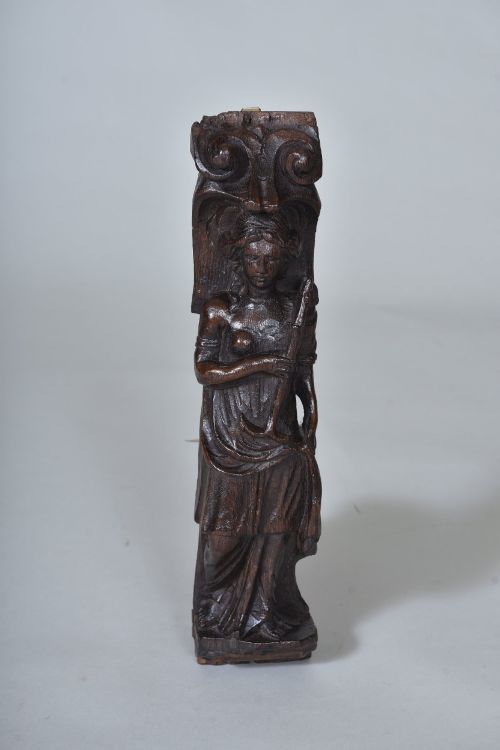
When searching for a gothic oak panel, buyers encounter architectural fragments and furniture components originating from several distinct eras of European craftsmanship.
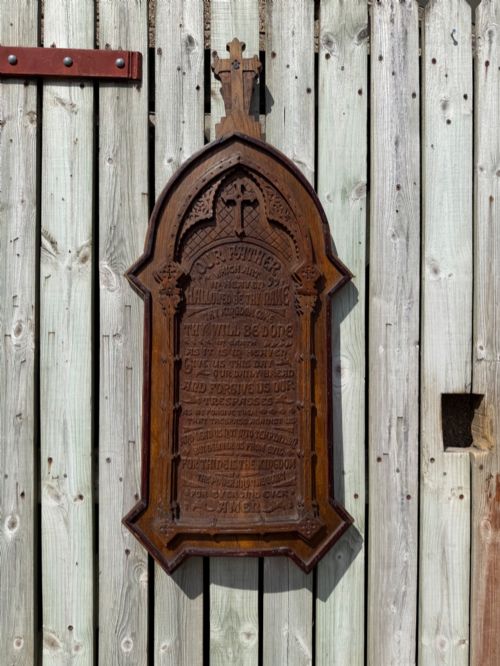
The pieces on this page span from sixteenth-century ecclesiastical carvings and seventeenth-century church elements to nineteenth-century Gothic Revival reinterpretations made during the Victorian period.
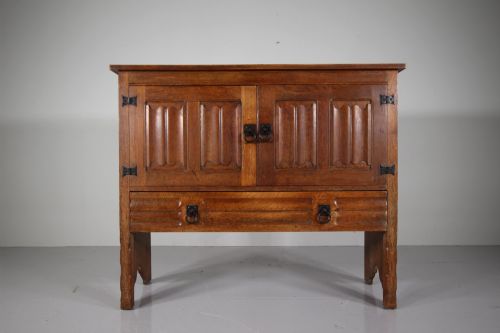
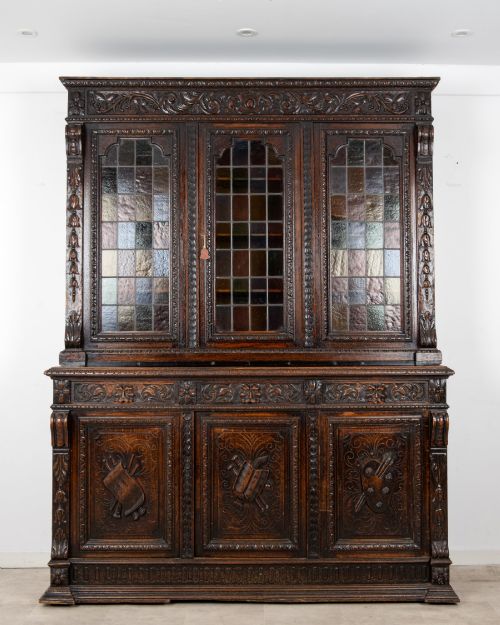
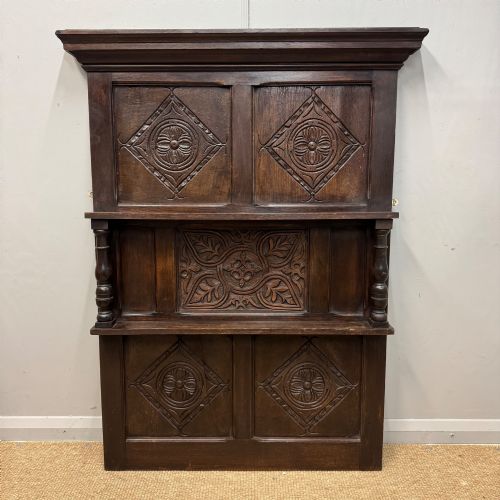
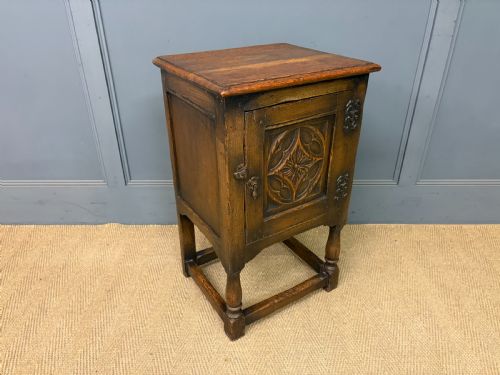
While some examples survive as isolated wall plaques or ceiling bosses, others formed portions of larger furnishings such as church pews, coffers, cupboards, and overmantels.
Materials and construction
Carpenters relied predominantly on solid oak, selected for its dense grain and durability, often shaping it with hand chisels to create deep undercut relief designs.
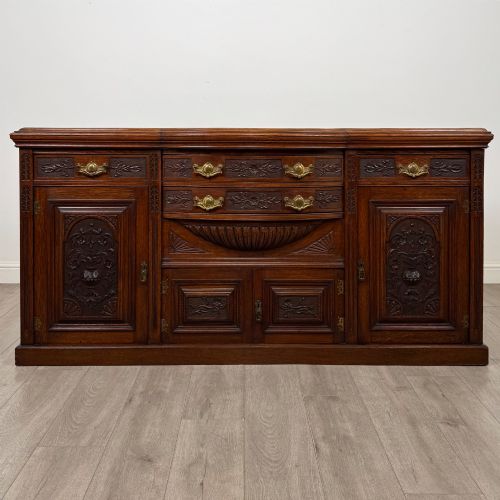
Surface detailing occasionally incorporates auxiliary elements like wrought iron fixings, brass panels, lead, and traces of polychrome paint or gilding.
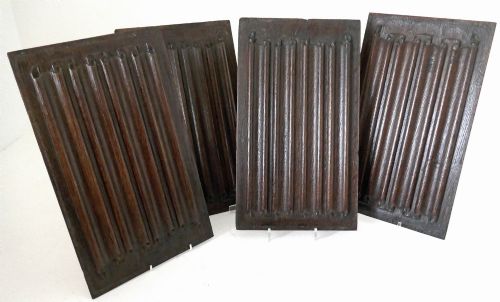
Joinery techniques ranged from traditional tongue-and-groove framing for linenfold panels to pegged mortise and tenon joints used in larger structural wall elements.
Listings feature oak panels incorporating iron, brass, glass, and polychrome paint across periods spanning the sixteenth to the twentieth centuries.
Distinctions in quality
The distinction between standard commercial joinery and superior artistic achievement rests entirely on the crispness and depth of the hand carving.
Early sixteenth-century and fifteenth-century fragments exhibit precise architectural tracery and figurative detailing that reveal the hand of a master ecclesiastical carver rather than a routine workshop.
Original surface patination, genuine age-related wear, and the structural integrity of the timber itself separate museum-grade survivals from later nineteenth-century revival interpretations.
The Gothic Oak Panel Glossary
- Tracery
- Openwork stonework ornamentation translated into woodwork, forming geometric patterns in window arches and panels. This style defines much of the medieval aesthetic.
- Linenfold
- A style of wood carving that imitates vertical folds of fabric, popular on sixteenth-century panels. It gives flat timber the appearance of draped cloth.
- Ceiling Boss
- A decorative projecting block of wood placed at the intersection of ribs in a vaulted ceiling. Surviving examples often feature grotesque or floral motifs.
- Parchemin
- A flat wooden panel carved to resemble a sheet of parchment with rolled or folded edges. It frequently appears on seventeenth-century cabinetry.
- Wainscot
- Wooden lining applied to interior walls, or furniture constructed in the same heavy panelled manner. Wainscot chairs are sturdy, high-backed wooden seats from the sixteenth and seventeenth centuries.
Gothic Oak Panel: Frequently Asked Questions
How do I hang a heavy wooden panel safely?
Heavy architectural fragments require secure fixing directly into wall studs or masonry using appropriate metal brackets designed to support the weight of dense oak.
Professional framing or French cleats distribute the load evenly across the back of the carving without damaging the antique timber.
Can these panels be used in modern interiors?
These architectural fragments integrate well into contemporary rooms when mounted simply against neutral walls as focal artworks.
They also function effectively as decorative overmantels or incorporated into bespoke cabinetry projects.
How do I tell sixteenth-century carving from Victorian revival work?
Sixteenth-century work displays tool marks, irregular hand-cut geometry, and timber shrinkage consistent with centuries of age.
Victorian revival pieces often feature more mechanical uniformity, machine-sawn backing boards, and styles that blend Gothic motifs with Jacobean or Arts and Crafts influences.
How should I clean antique oak carvings?
Maintenance requires only a soft, dry brush to remove dust from deep recesses and carved crevices.
Moisture and modern chemical polishes damage historic finishes and dry out the grain over time.