






Dark Oak Religious Panel
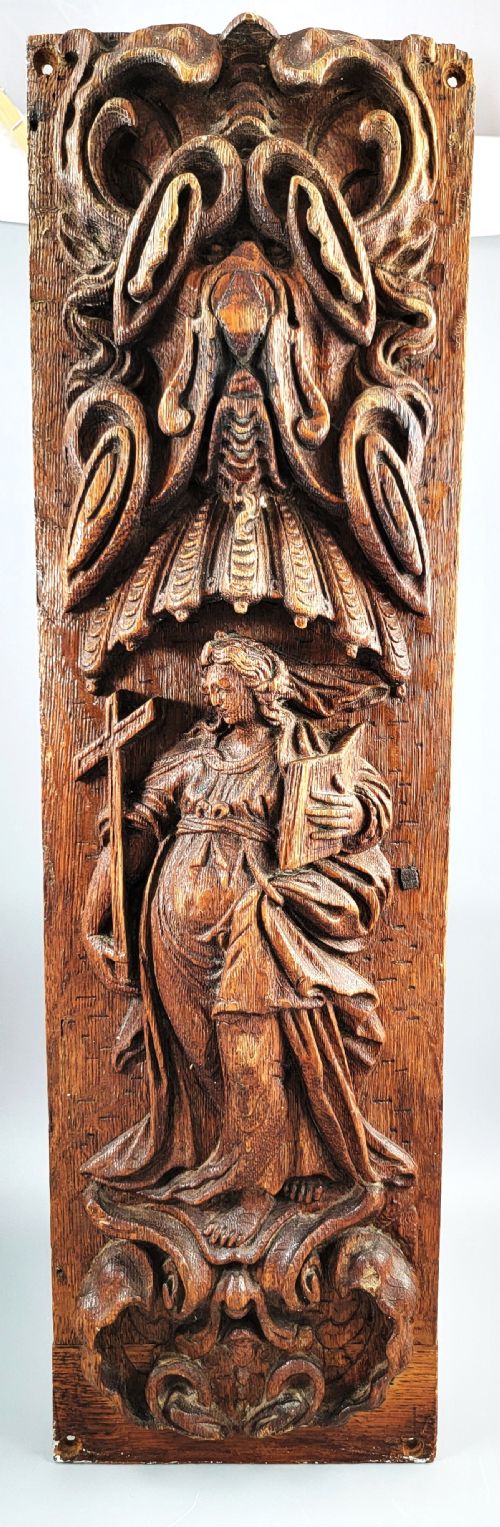
These dark oak religious panel pieces are carved wooden works of devotion, offering tangible fragments of centuries-old European liturgy and faith.
Dark Oak Religious Panel
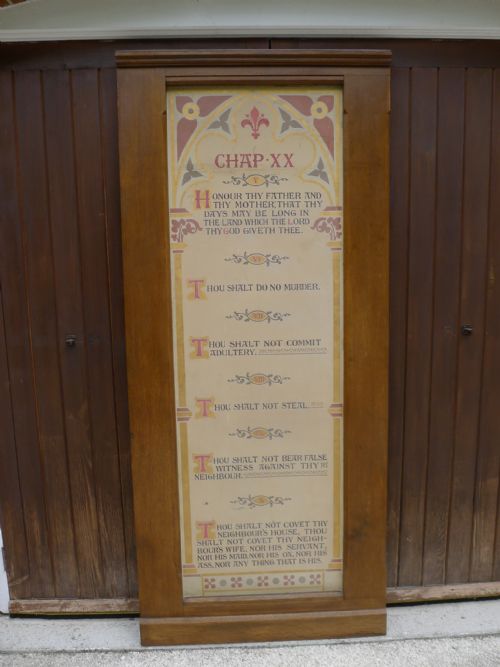
A dark oak religious panel represents a carved wooden fragment of historic European devotion, spanning wall reliefs, wall art, wall plaques, sculptures, wall relief carvings, wood carvings, and wall sculptures. When you search for dark oak religious panel, you encounter works originating from the pre-sixteenth century, sixteenth century, seventeenth century, and later nineteenth-century revivals.
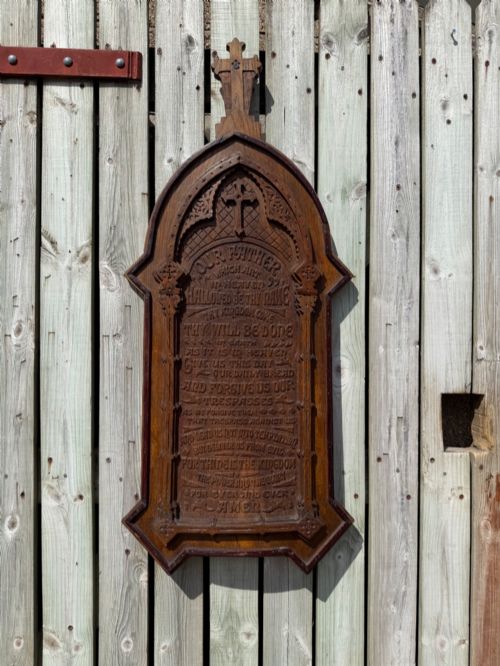
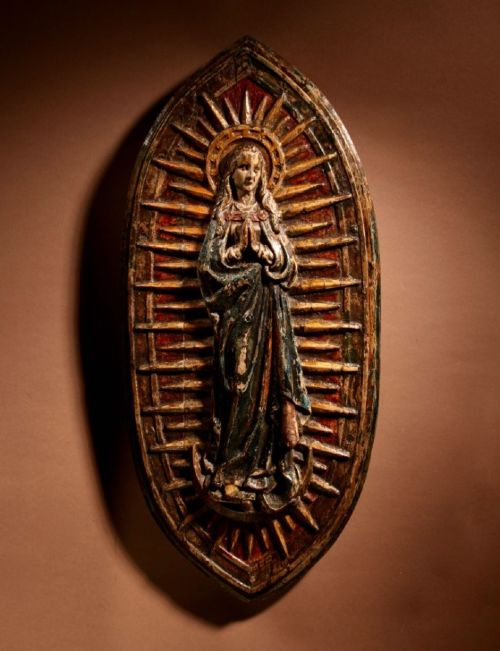
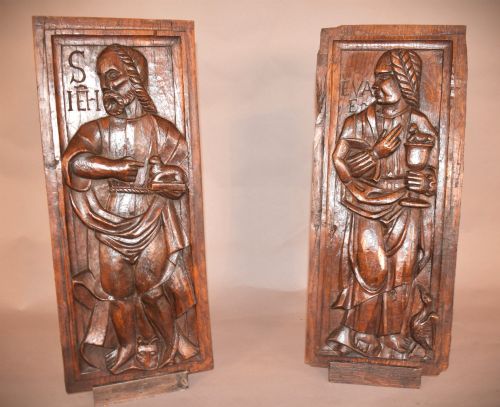
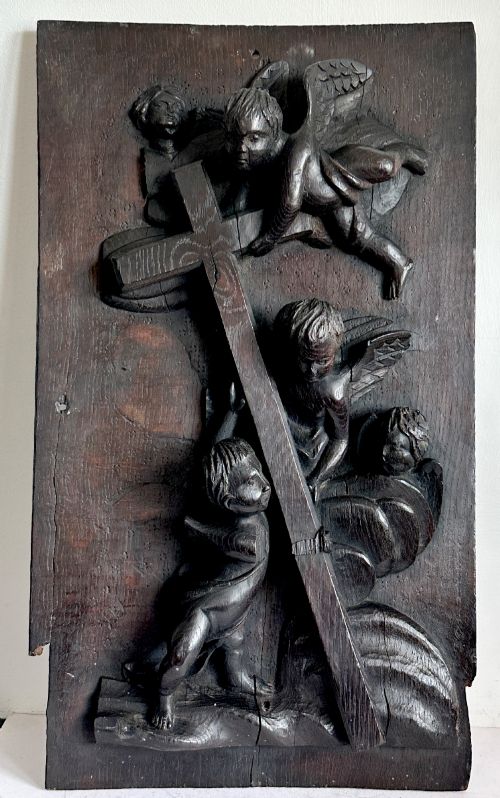
The objects take diverse forms, ranging from single devotional saints and texts to narrative scenes such as the Lord’s Prayer, the praying Virgin standing on the half moon with the snake, Christ in the tomb, Christ carrying the cross, and the circumcision of Christ. Flemish and German workshops appear among the geographic origins, alongside later nineteenth-century Gothic Revival and ecclesiastical revival pieces.
The most common survival on this page is the seventeenth-century carved oak panel or sixteenth-century relief sculpture, often removed originally from larger church furnishings like altarpieces, partner desks, or tin tabernacles. These pieces serve primarily as wall-mounted art today, retaining centuries of patination and historic craftsmanship.
How they were made
The makers relied on solid oak board as the primary substrate, shaping the heavy timber with hand tools to form deep relief carvings. Secondary historic treatments occasionally include gesso, paint, and polychrome paint applied directly to the carved wood surfaces to highlight figurative details.
Relief carving techniques define the construction, cutting away background material to push figures like angels, saints, and narrative subjects into high or low relief. The physical structure of these wall panels often shows the shrinkage, grain splitting, and tool marks characteristic of pre-industrial carpentry and sculpture.
Dark Oak Religious Panel Retail Price Guide 2026
Typical asking prices for dark oak religious panel among the pieces listed under this phrase on Sellingantiques today, from the lower quarter to the upper quarter. They describe what is for sale here now, not the wider market.
The listings span from pre-sixteenth century mediaeval fragments up to nineteenth-century Gothic Revival pieces, utilising solid oak, board, gesso, and polychrome paint.
What varies in quality
Depth of relief and sculptural ambition separate standard decorative carvings from pieces with complex figural grouping and expressive anatomical rendering. The skill of the hand carver determines whether figures such as saints or angels possess convincing drapery, proportion, and emotional presence.
The survival of original surface treatments, such as early polychrome paint or gesso remnants, elevates the historical interest of a panel compared to stripped bare wood. Age, period integrity, and the clarity of the religious iconography likewise dictate the standing of individual examples.
The Dark Oak Religious Panel Glossary
- Polychrome
- Painted in several colours, often found on historic wood carvings and panels to enhance figurative realism. This surface treatment frequently survives only in fragmentary traces today.
- Relief
- A sculptural technique where figures project from a flat background to create a three-dimensional effect. High relief means the elements stand well out from the ground.
- Gesso
- A white paint mixture consisting of a binder mixed with chalk, gypsum, or pigment, used to prepare wood surfaces for painting. It provides a smooth ground for polychrome decoration.
- Gothic Revival
- An architectural and artistic style beginning in the mid-nineteenth century that imitates medieval forms and ecclesiastical aesthetics. Pieces from this movement adapt earlier Gothic motifs for Victorian interiors.
- Altarpiece
- A structure depicting a religious subject that is set behind or on an altar, from which many central panels and reliefs originate. These dismantled church fixtures are the source of numerous surviving wood carvings.
Dark Oak Religious Panel: Frequently Asked Questions
What were these panels used for?
Historic panels served as devotional focal points within churches, altarpieces, or domestic chapels, illustrating biblical narratives for congregations.
Later nineteenth-century revivals utilised similar ecclesiastical aesthetics for decorative wall mounting in private homes and public institutions.
How should I hang a heavy oak panel?
These dense oak sculptures require secure wall fixings anchored directly into structural studs or masonry to support their substantial weight.
Professional mirror plates or hidden French cleats provide stable mounting without straining the historic wooden frame or board.
How do I care for antique carved oak?
Maintain stable indoor humidity levels and keep wooden reliefs away from direct heat sources to prevent the historic oak from splitting.
Dust gently with a dry, soft brush and avoid applying modern polishes or oils to dry seventeenth-century surfaces.
How can I tell a sixteenth-century panel from a later revival?
Early sixteenth-century and seventeenth-century pieces exhibit genuine hand-tool marks, natural timber oxidation, and structural wear appropriate to their age.
Nineteenth-century Gothic Revival works typically display more uniform machine-assisted preparation and stylistic traits characteristic of later ecclesiastical workshops.