



Antique Flemish Carvings
Antique flemish carvings are solid oak sculptures and architectural wall panels spanning the medieval to revival periods, prized for rich relief work.
Antique Flemish Carvings
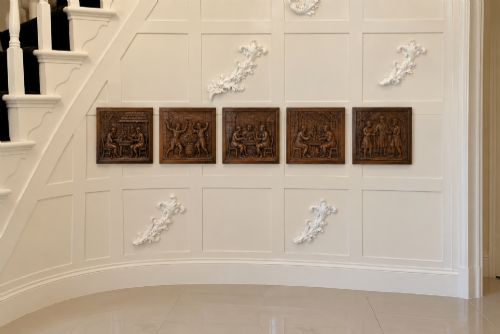
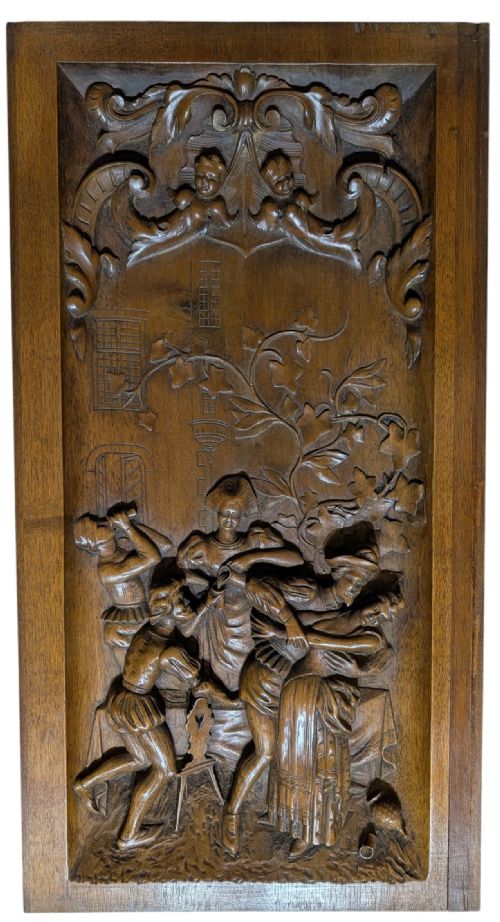
When you search for antique flemish carvings, you encounter sculptural works and architectural fragments ranging from the fourteenth century to the late nineteenth century. These pieces include tavern scene wall panels, religious groups, and individual caryatids shaped by northern european carvers.
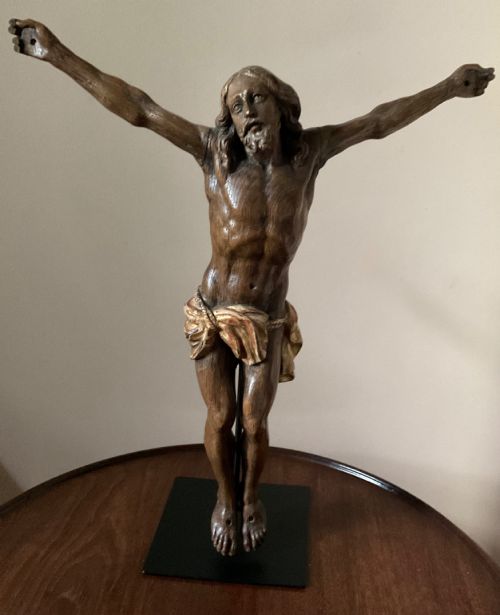
The sixteenth and seventeenth centuries provide many of the sculptural panels and corpus Christi figures seen here, often executed in oak. Later nineteenth century pieces encompass revival styles that mimic earlier baroque and renaissance traditions.
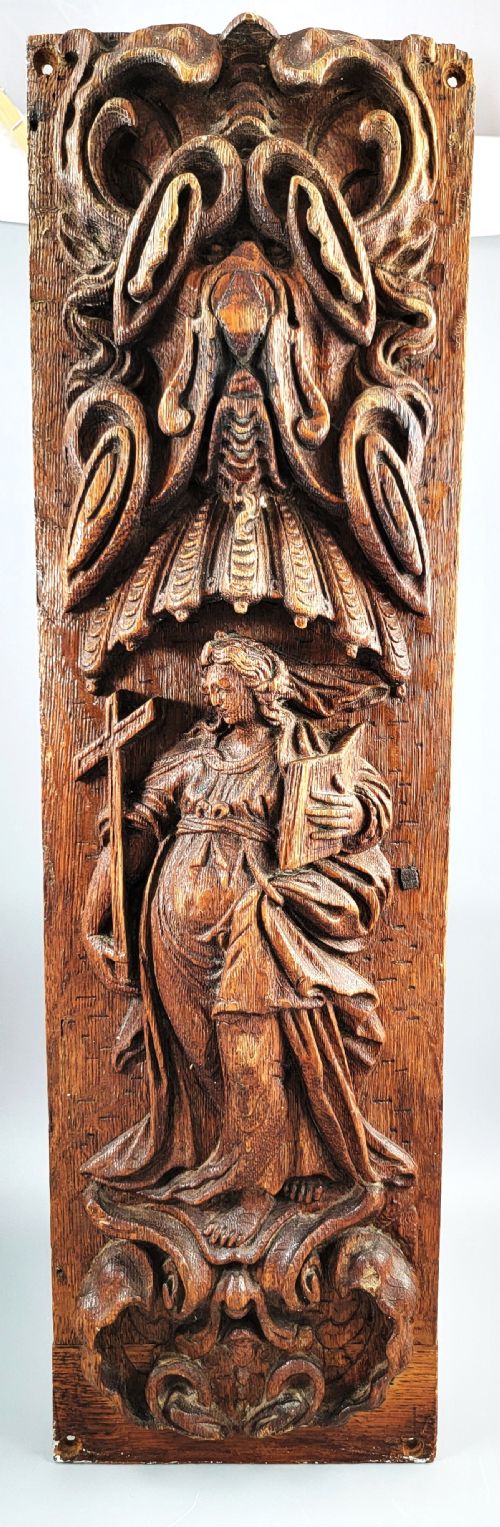
Architectural fragments and wall reliefs dominate the offerings, showing deep carving and figural subjects such as allegories of faith. Buyers meet both genuine seventeenth century elements and nineteenth century revival interpretations in solid carved wood.
How they were made
Makers shaped these panels and sculptures predominantly from solid oak, utilising hand chisels and gouges to achieve deep relief. Certain elements incorporate parcel gilt highlights and iron fixings to accent the timber figures and architectural fragments.
Carvers worked within regional traditions spanning the low countries and northern renaissance workshops, developing high baroque and gothic styles. The technique relies on direct carving into seasoned wood, creating textured surfaces that catch the light across wall panels and caryatids.
Antique Flemish Carvings Retail Price Guide 2026
Typical asking prices for flemish carvings among the pieces listed under this phrase on Sellingantiques today, from the lower quarter to the upper quarter. They describe what is for sale here now, not the wider market.
The listings span from pre-sixteenth century medieval pieces to nineteenth century revival items, executed primarily in oak with occasional parcel gilt and iron.
What varies in quality
Depth of carving and clarity of expression separate standard architectural panels from masterwork allegorical reliefs and figures. The crispness of drapery folds and the anatomy of faces indicate the skill of the original hand.
Period authenticity also distinguishes seventeenth century survivals from nineteenth century revival interpretations. Original surface patination and the integrity of the timber grain complete the distinction between ordinary fragments and significant works.
The Antique Flemish Carvings Glossary
- Caryatid
- A carved female figure serving as an architectural support or pillar. These architectural elements appear as single figures supporting structural frameworks.
- Corpus Christi
- The carved body of Christ on the cross. These religious sculptures date across the sixteenth and seventeenth centuries in low country workshops.
- Parcel Gilt
- Woodwork partially gilded with gold leaf. This technique highlights specific details on carved panels and sculptures.
- High Baroque
- A sculptural style characterised by theatrical movement and deep relief. Examples include allegorical panels from the seventeenth century.
- Architectural Fragment
- A surviving portion of a larger building or furnishing. These carved oak sections served as decorative wall reliefs.
Antique Flemish Carvings: Frequently Asked Questions
How do I hang a heavy oak panel?
Heavy oak panels require secure wall fixings screwed directly into masonry or wooden studs to bear the substantial weight of the carved timber.
Professional mirror plates or hidden french cleats provide stable support without damaging the antique structure of the panel.
Are these carvings suitable for kitchens?
Kitchen environments subject antique oak to steam and fluctuating humidity which can cause the timber to split or warp over time.
Dry interior spaces away from direct heat sources preserve the carved surface and prevent movement in the solid wood.
How do I clean antique carved oak?
Dust accumulates within the deep recesses of relief carvings and requires a soft bristle brush rather than liquid cleaners.
Applying a neutral wax occasionally nourishes the dry oak without altering the historic patina of the surface.
How do I tell sixteenth century work apart from revival pieces?
Sixteenth century work displays tool marks, timber shrinkage, and wear consistent with centuries of handling by carvers and owners.
Revival pieces from the nineteenth century often show uniform patination and machine assistance beneath the surface carving.