

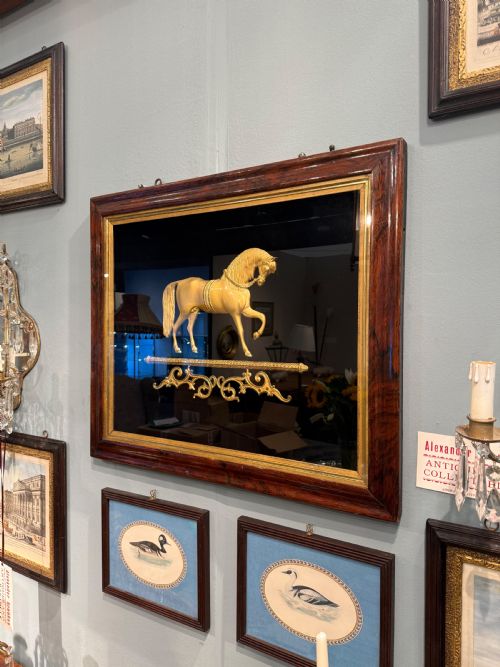
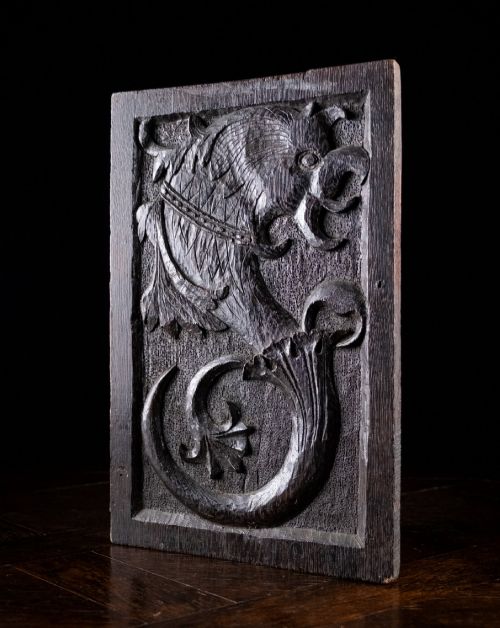
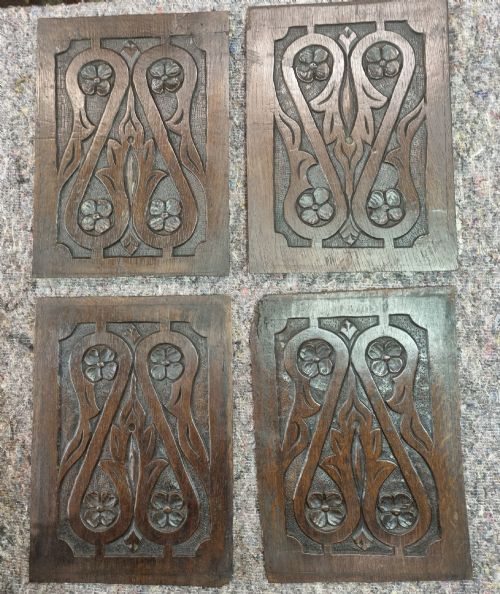
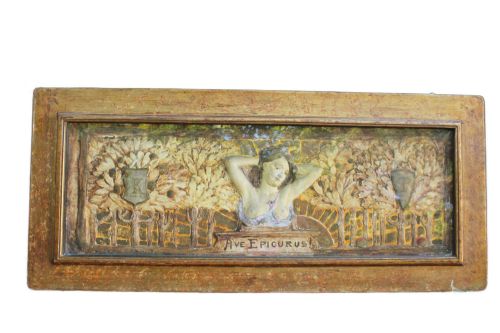

Antique Wood Relief Plaques
Antique wood relief plaques bring historic craftsmanship and sculptural depth to interior walls through detailed timber carving.
Antique Wood Relief Plaques
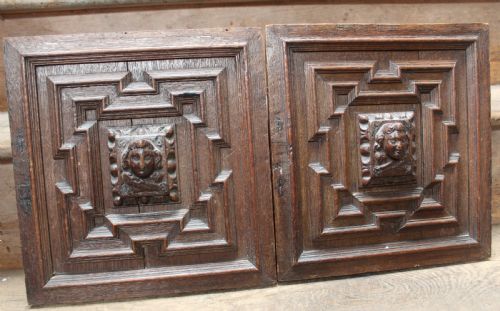
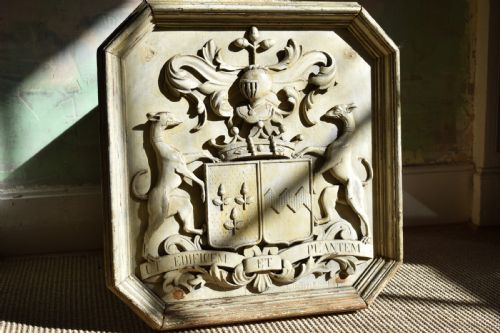
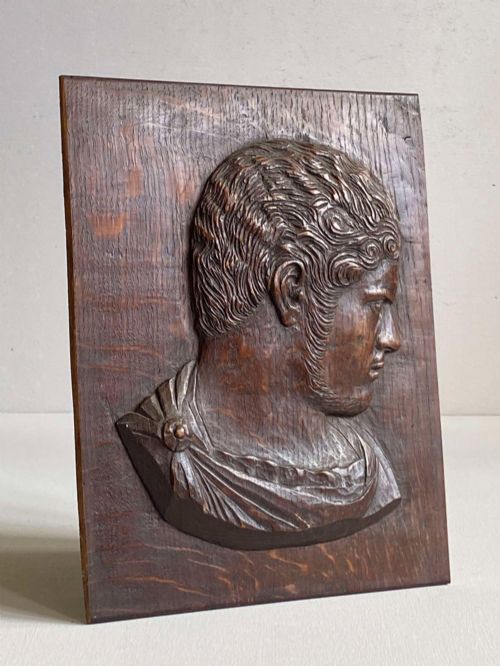
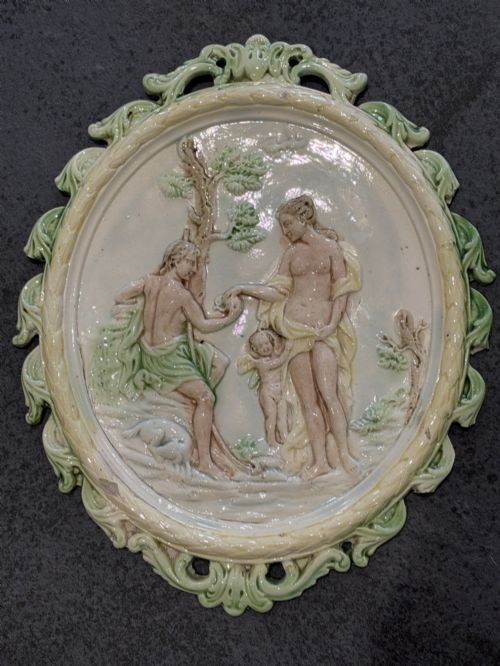
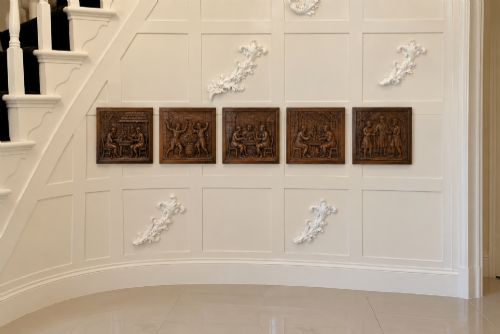
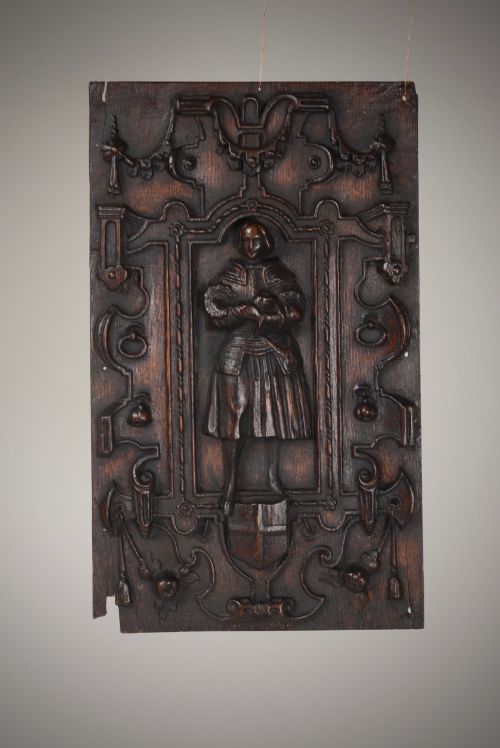
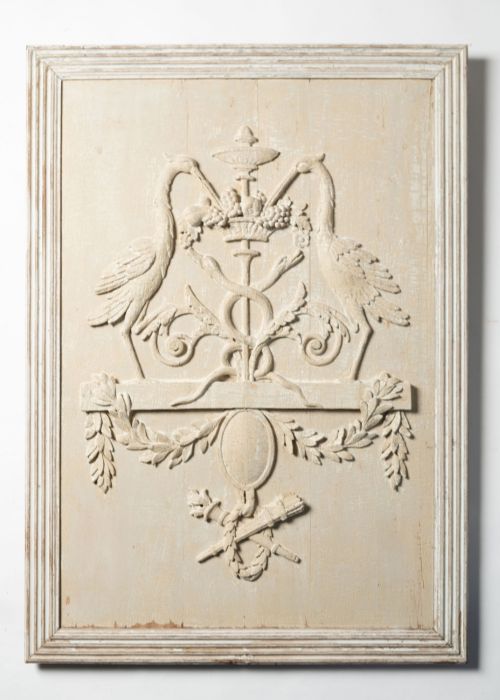
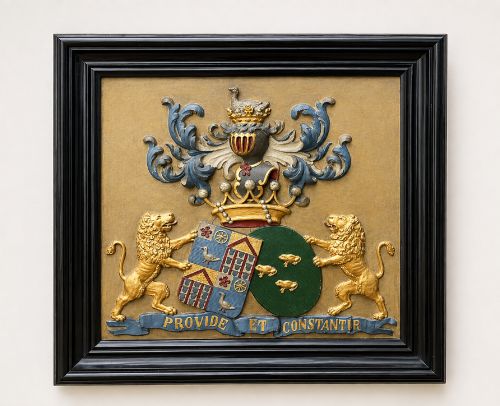
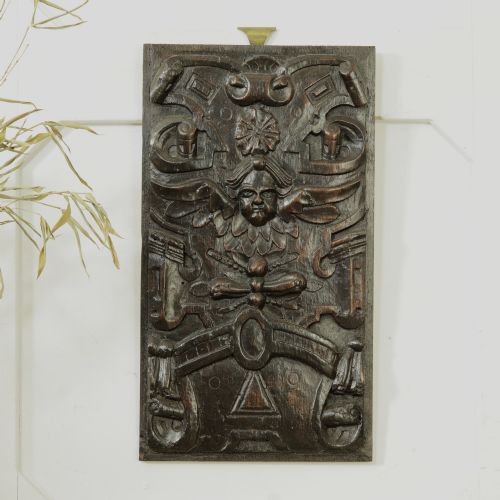
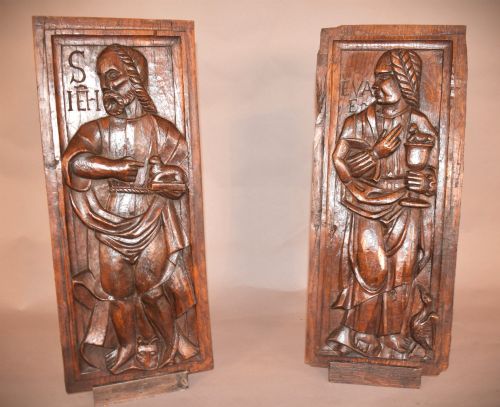
When you examine antique wood relief plaques, you are looking at carved wooden panels, architectural fragments, and wall art created across several centuries. These pieces function primarily as decorative wall panels, depicting figural scenes, heraldic designs, and botanical motifs.
The most common versions met on this page include 17th-century oak panels and 19th-century European carvings, often originating from domestic interiors, furniture components, or architectural salvage. Examples range from small portrait plaques to monumental wall reliefs and architectural dioramas.
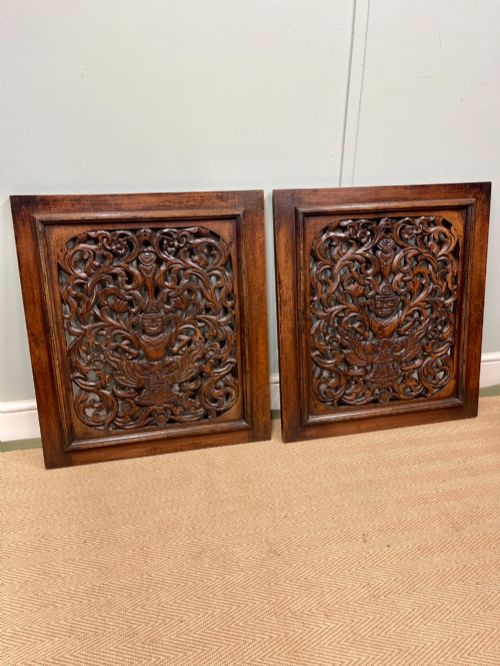
The selection encompasses diverse stylistic influences, from Gothic Revival and Baroque compositions to Black Forest hunting trophies and Asian temple panels. Buyers encounter both singular commemorative plaques and paired panels intended for symmetrical interior display.
How they were made
Carvers shaped these wall reliefs predominantly using dense hardwoods such as oak, walnut, chestnut, and fruitwood, allowing for crisp lines and deep undercutting. Artisans employed hand chisels and gouges to build up sculptural dimensionality directly from solid timber blanks.
Many historical panels incorporate applied polychrome paint, gesso layers, or gilding to accentuate specific architectural details and figural elements. Some pieces utilise secondary treatments like ebonising or wax polishing to finish the exposed wood surfaces.
Antique Wood Relief Plaques Retail Price Guide 2026
Typical asking prices for wood relief plaques among the pieces listed under this phrase on Sellingantiques today, from the lower quarter to the upper quarter. They describe what is for sale here now, not the wider market.
Listings feature woods including oak, walnut, chestnut, fruitwood, and lacquer across periods spanning the 16th to the 20th century.
What varies in quality
The distinction between ordinary and exceptional carving lies in the anatomical accuracy of figures, the depth of the relief work, and the crispness of the chisel marks. Master carvers achieved subtle facial expressions and naturalistic drapery folds that lesser artisans rendered stiffly.
Integrity of the timber and the preservation of original surface finishes dictate the desirability of a piece. Panels retaining early polychrome pigment, original gilding, or untouched patination command greater attention from collectors than heavily stripped or later refinished surfaces.
Carlhian & Corbiere
The Antique Wood Relief Plaques Glossary
- Relief
- A sculptural technique where figures or designs project from a flat background surface. High relief indicates elements standing far out from the backing, while low relief shows minimal projection.
- Architectural salvage
- Building elements rescued from structures undergoing demolition or alteration. These components often find new life mounted on walls as decorative panels.
- Trophy carving
- A sculptural grouping typically depicting game birds, hunting equipment, and harvested fruits. This style gained significant popularity during the 19th century, particularly within Black Forest workshops.
- Polychrome
- The practice of decorating architectural elements or wood carvings in multiple colours. Applied paint and gesso finishes were frequently utilised on historical religious and decorative panels.
Antique Wood Relief Plaques: Frequently Asked Questions
How were antique wood relief plaques originally displayed?
Historical wood carvings were frequently integrated directly into interior wall panelling, over-doors, and substantial furniture pieces within grand residences. Many originated as structural elements before being removed and mounted independently as decorative wall art.
Later collectors and dealers adapted these panels for modern interiors by adding hanging hardware. This transformation turned functional architectural fragments into portable works of art suitable for standard wall mounting.
How do I distinguish between 17th-century and 19th-century panels?
Seventeenth-century panels typically display denser timber shrinkage, hand-riven tool marks, and heavier oak or chestnut construction reflecting earlier joinery methods. The figural proportions and iconography of this period often lean toward deep-relief religious or allegorical subjects.
Nineteenth-century examples frequently exhibit the crisper machinery-assisted preparation of the Victorian era alongside revivalist styles like Gothic or Baroque. Artisans of this later period also produced specialised wildlife trophies and decorative marriage plaques with distinct documentation.
What is a Black Forest wood plaque?
Black Forest carvings originate primarily from the mountainous region of central Europe during the 19th century. These pieces are celebrated for naturalistic depictions of game, hunting dogs, and forest foliage rendered in deep relief.
Such plaques served as lodge decoration and celebrated rural pursuits. Their makers utilised local softwoods and fruitwoods to achieve remarkable botanical and animalistic detail.
How should I care for antique wood panels at home?
Protect antique wood carvings by placing them away from direct sunlight and sudden temperature shifts that cause timber to split. Stable indoor humidity preserves both the structural integrity of the wood and any fragile surface gesso.
Dust the surface gently with a dry, soft brush rather than liquid cleaners. Preserving the dry-scraped or polished patina maintains the historical character of the carving.