


Victorian Carved Oak Art
When you handle victorian carved oak art, you meet heavy timber furniture and decorative panels carrying the deep chisel marks of nineteenth-century workshops.
Victorian Carved Oak Art
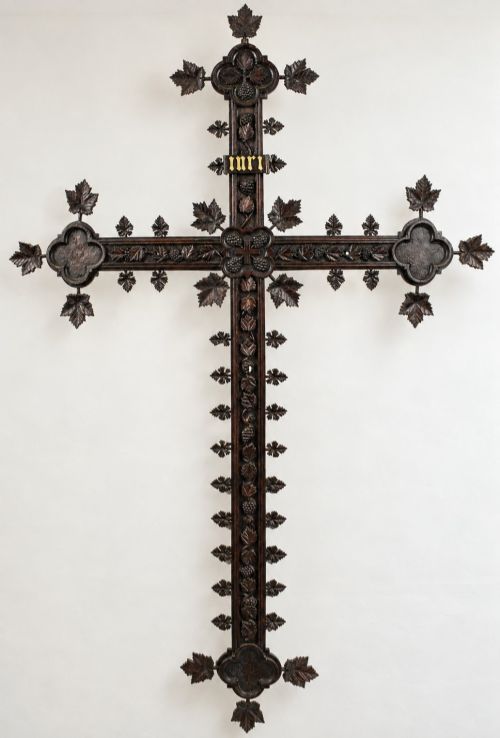
Victorian carved oak art encompasses a diverse range of heavy wooden furnishings, wall panels, and decorative objects produced primarily during the nineteenth and early twentieth centuries. These pieces reflect the prominent design movements of the era, drawing heavily upon Gothic Revival, Arts and Crafts, and Folk Art traditions.
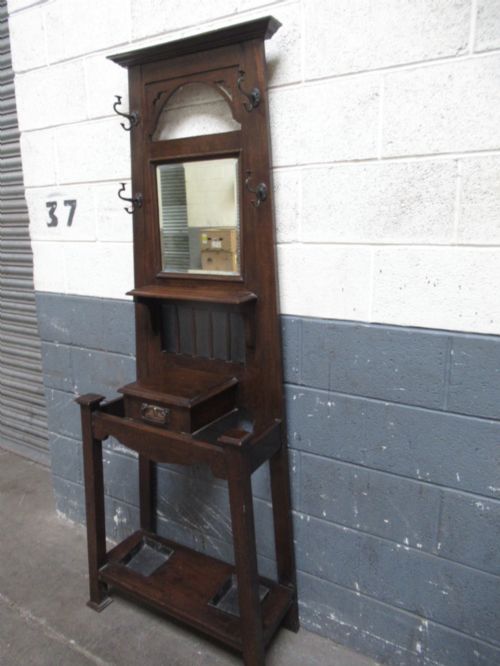
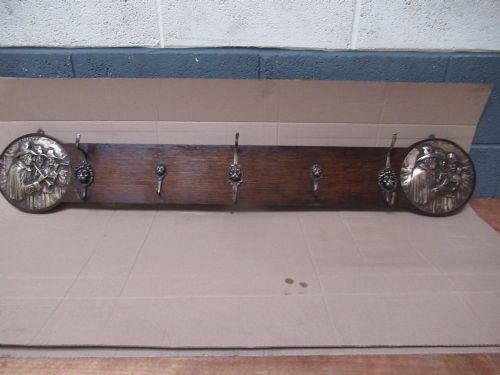
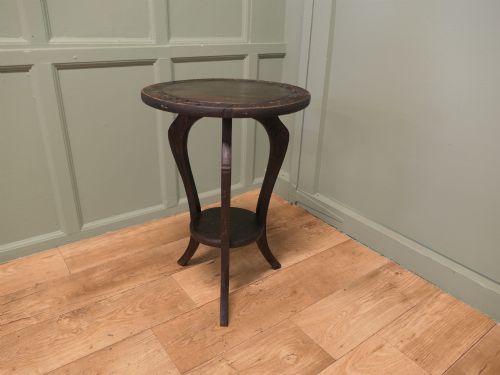
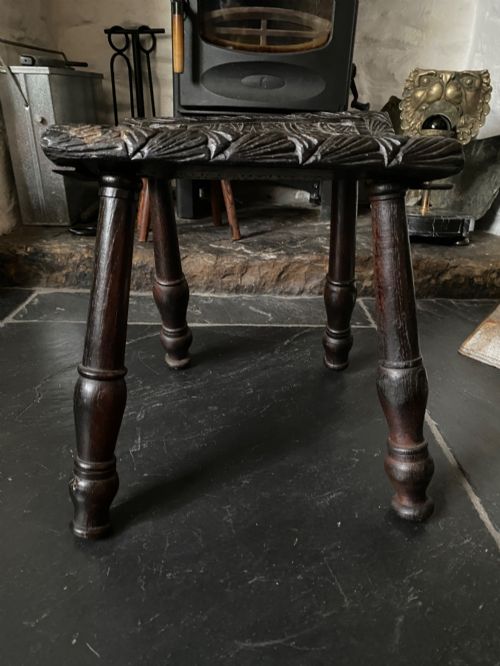
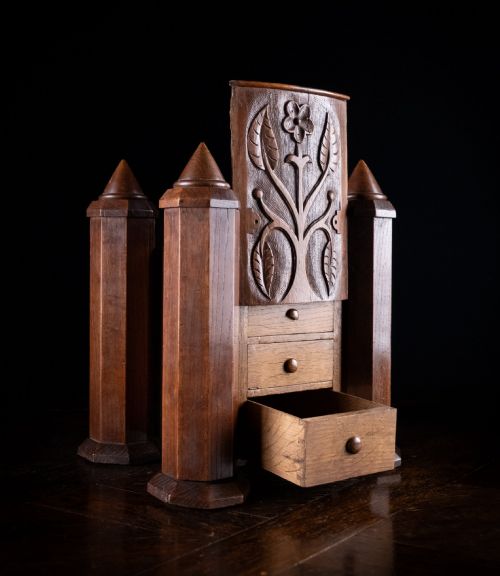
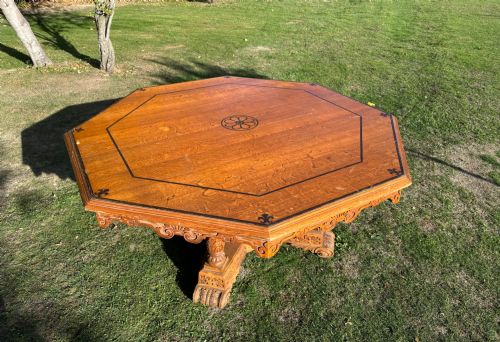
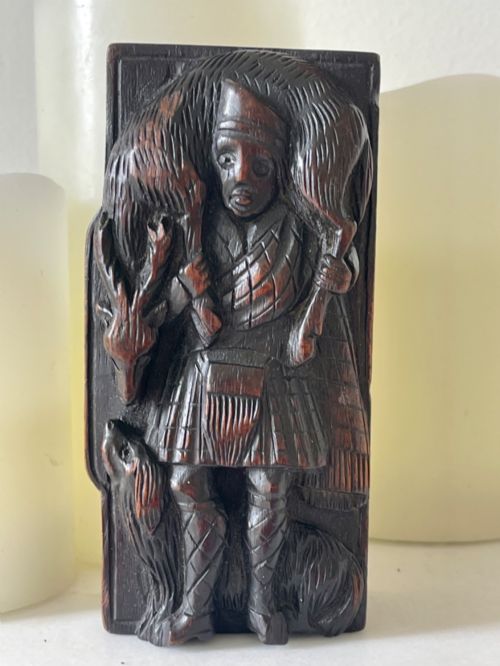
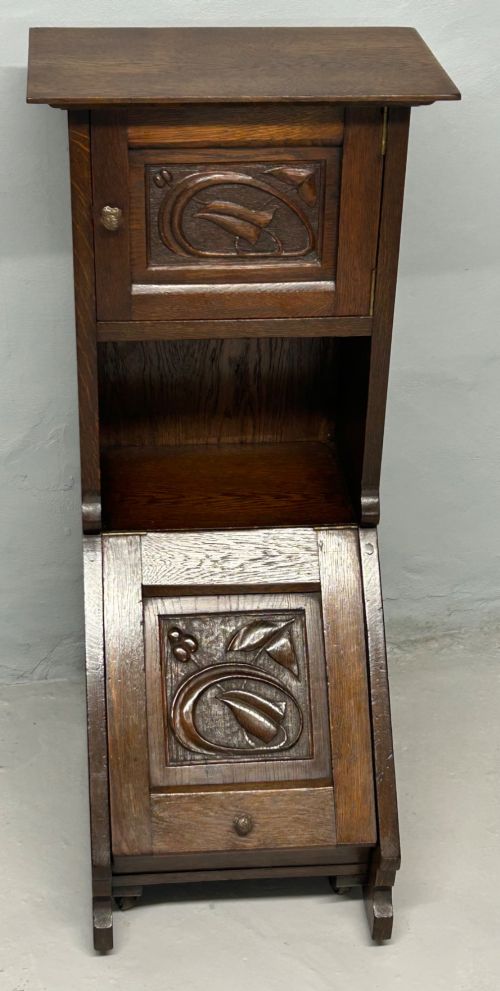
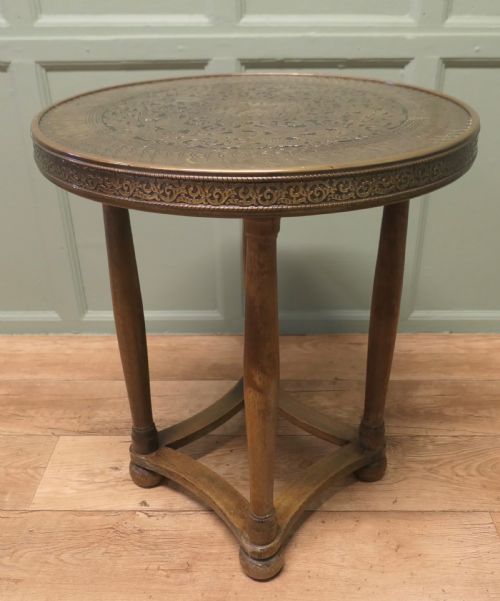
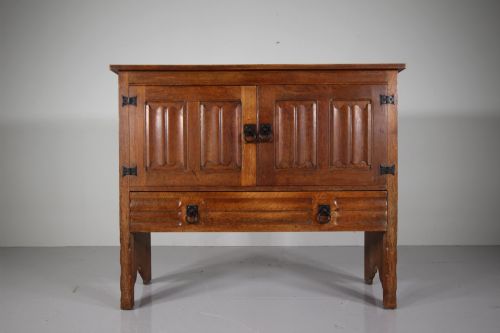
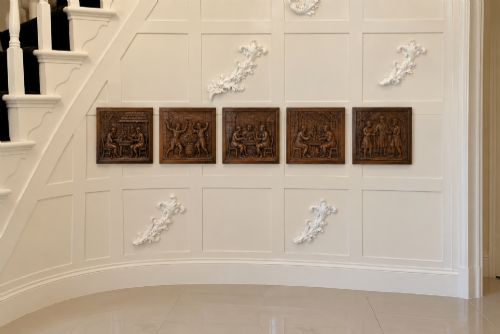
On this page, you are most likely to meet practical household forms executed in solid timber, such as hall chairs, sideboards, wall plaques, and occasional tables. The carving on these objects often ranges from simple chip-carved geometric patterns to deep relief work depicting tavern scenes, foliage, and figures.
The origin of these items spans British and European workshops, capturing a period when hand-tool work persisted alongside early industrial production methods. Buyers search for this phrase to find furniture and decorative items that combine functional utility with strong, tactile surface ornamentation.
Materials and Construction
The primary material across these listings is solid oak, selected for its grain pattern, durability, and capacity to hold crisp chisel work. Cabinet makers and carvers utilised secondary timbers such as elm, beech, or walnut for internal elements and specific structural components.
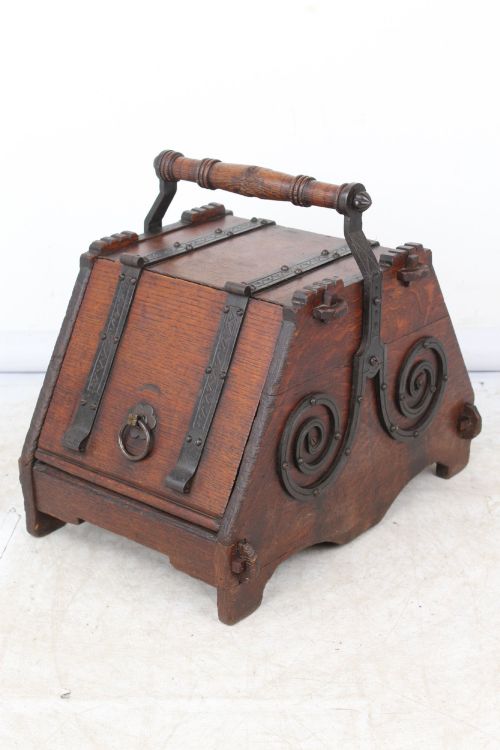
Surface decoration relies heavily on hand-carving techniques, including relief moulding, chip carving, and incised detailing applied directly to the structural wood. Metal elements in brass and iron, alongside leather panels and ceramic inserts, appear frequently to provide structural hardware and textural contrast.
Victorian Carved Oak Art Retail Price Guide 2026
Typical asking prices for victorian carved oak art among the pieces listed under this phrase on Sellingantiques today, from the lower quarter to the upper quarter. They describe what is for sale here now, not the wider market.
Object forms range from large sideboards and hall benches down to small snuff boxes and book stands.
Evaluating the Pieces
Quality in these carved items rests upon the depth, control, and confidence of the hand-carving itself. Superior pieces demonstrate crisp undercut details, balanced proportions, and a harmonious relationship between the carved ornamentation and the underlying structure of the timber.
The choice of raw material also dictates the standard of the piece, with quartersawn oak displaying desirable medullary ray figuring. Furthermore, the integrity of the joinery and the preservation of the original surface patina separate standard workshop production from finer studio or designer-attributed works.
Christopher Dresser·Bruce James Talbert·Liberty and Co·John Moyr Smith
The Victorian Carved Oak Art Glossary
- Gothic Revival
- A nineteenth-century design style drawing inspiration from medieval architecture and ecclesiastical motifs. It incorporates pointed arches, trefoils, and heavy timber construction.
- Arts and Crafts
- A design movement promoting traditional craftsmanship, simple forms, and visible construction methods. It emerged as a reaction against machine production.
- Chip Carving
- A relief carving technique where small chips of wood are removed from a flat surface with knives or chisels to create geometric patterns.
- Metamorphic
- Describing furniture designed to transform into another form, such as a chair that converts into a set of library steps.
- Quartersawn
- A method of milling logs radially to produce timber boards with straight grain lines and prominent growth ray patterns.
Victorian Carved Oak Art: Frequently Asked Questions
How do I care for antique carved oak?
Keep wooden pieces away from direct heat sources and rapid temperature fluctuations to prevent the oak from splitting. Apply a microcrystalline wax periodically to nourish the timber and protect the surface patina without building up sticky residues.
Dust the deep recesses of the carvings gently with a soft, natural bristle brush. Avoid modern silicone-based polishes entirely, as they sink into the grain and attract dust over time.
What rooms suit these wooden furnishings?
The substantial presence and dark tones of these items suit hallways, libraries, and living spaces with traditional or eclectic interiors. Hall benches, wall panels, and heavy tables anchor large rooms and provide practical utility.
Smaller objects like wall plaques and table stands fit easily into domestic spaces as focal points. Their robust construction allows them to withstand daily use while adding architectural character to plain walls.
Are these items purely decorative?
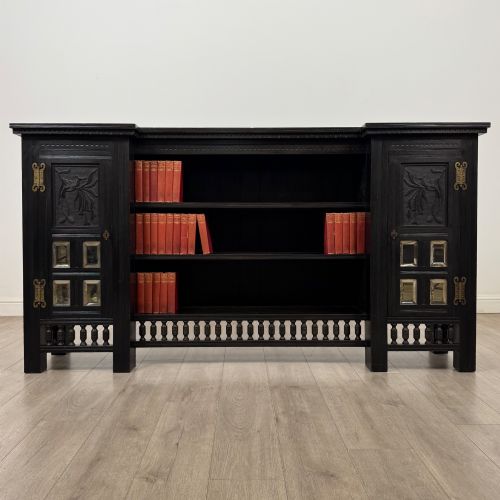
Most pieces listed here served practical domestic roles in nineteenth-century homes, functioning as seating, storage, or architectural fittings. Cupboards, bookcases, and coal scuttles were built for everyday household tasks.
Decorative items like wall panels and picture frames were created primarily for visual impact. Even sculptural figures often doubled as functional boxes or stands.
How can I identify Arts and Crafts pieces?
Arts and Crafts pieces emphasise visible hand-tool marks, pegged joinery, and straightforward construction rather than applied decorative veneers. The design focuses on the natural qualities of the oak timber.
Look for honest joinery where tenons pass through mortises and are secured with wooden pins. Ornamentation tends to be inspired by nature or traditional folk motifs rather than classical antiquity.