
Antique Carved Oak Plaque
An antique carved oak plaque brings deep timber relief and centuries of hand-chiselled history straight to your wall.
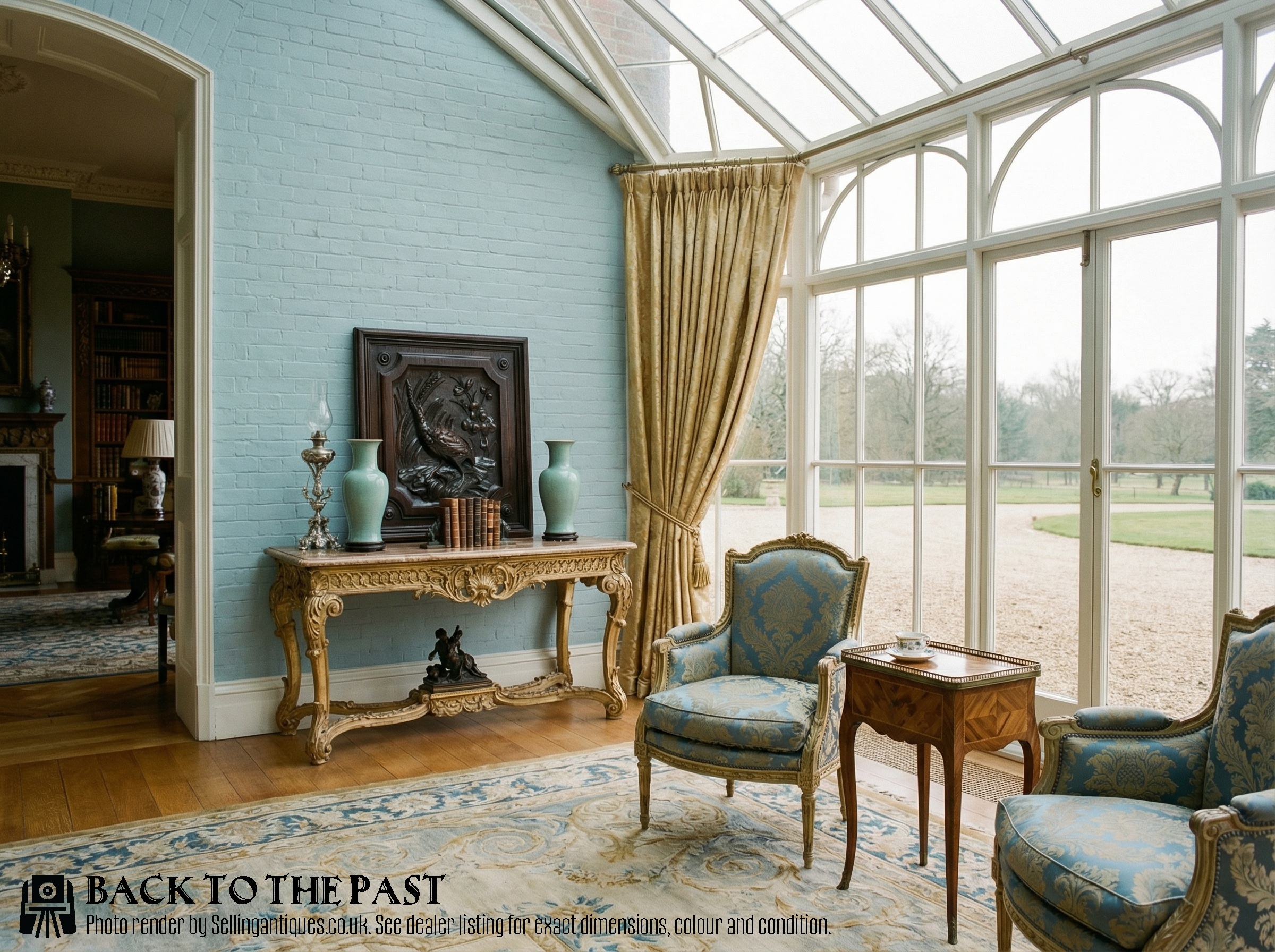
Antique Carved Oak Plaque
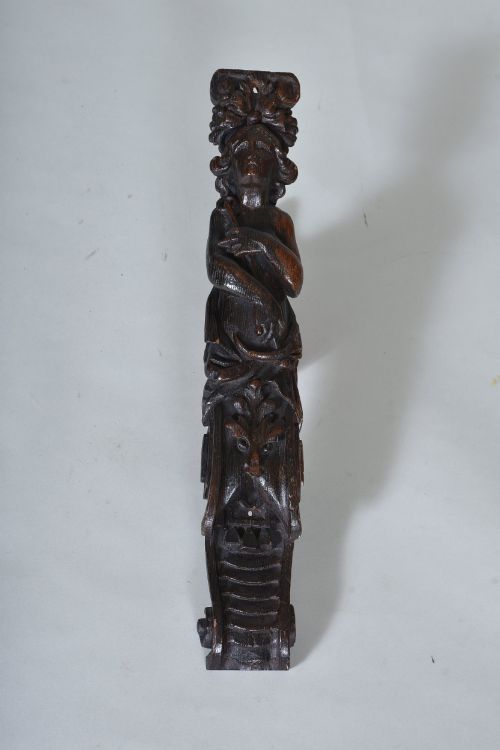
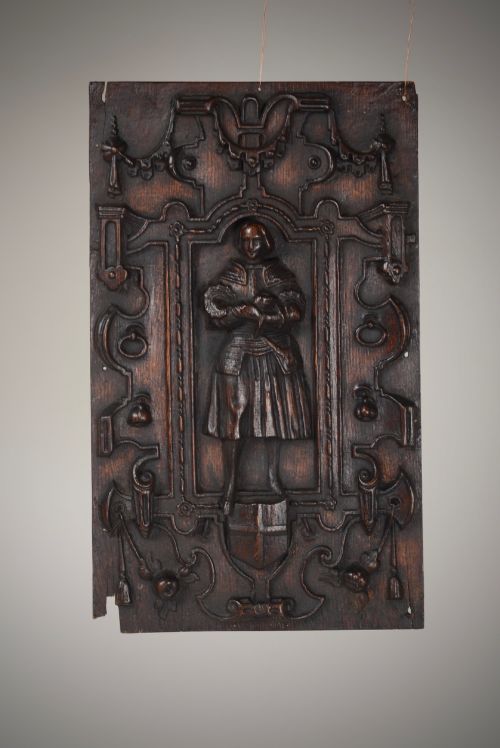
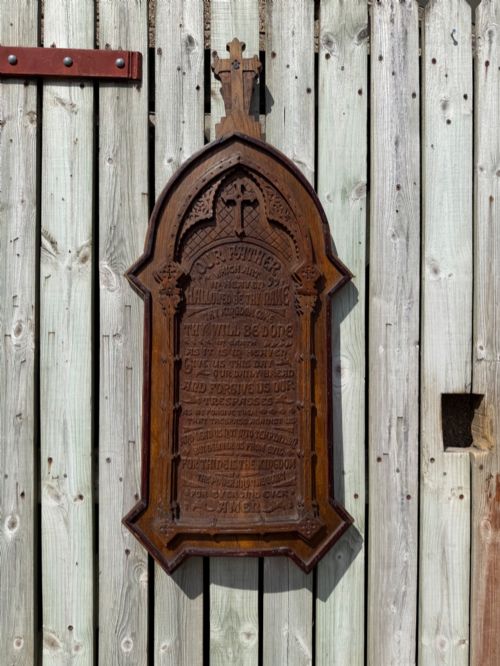
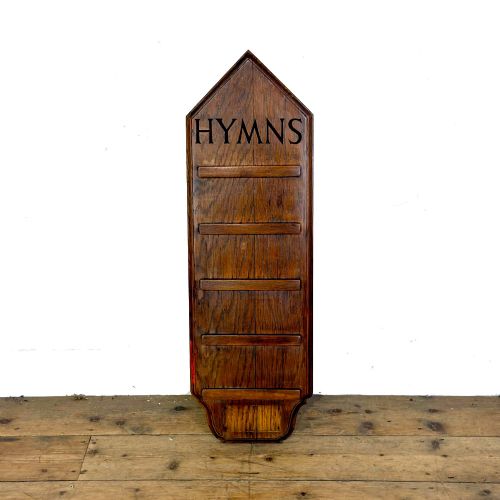
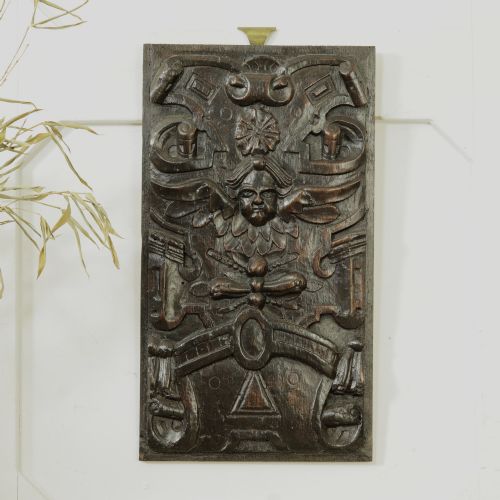
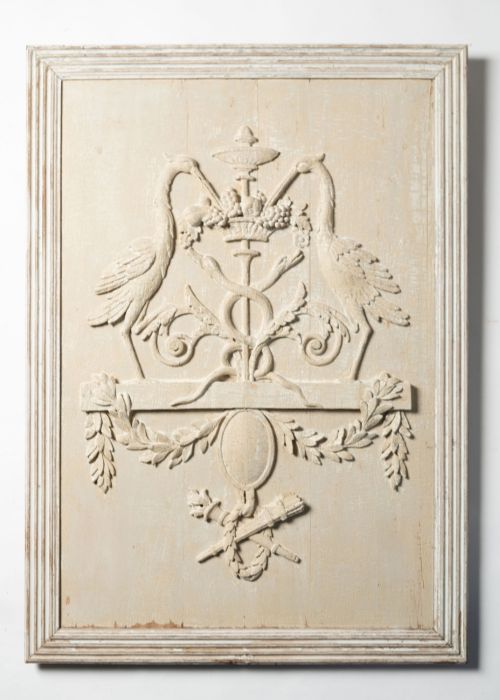
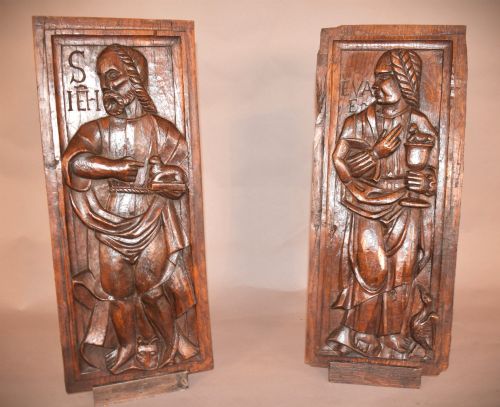
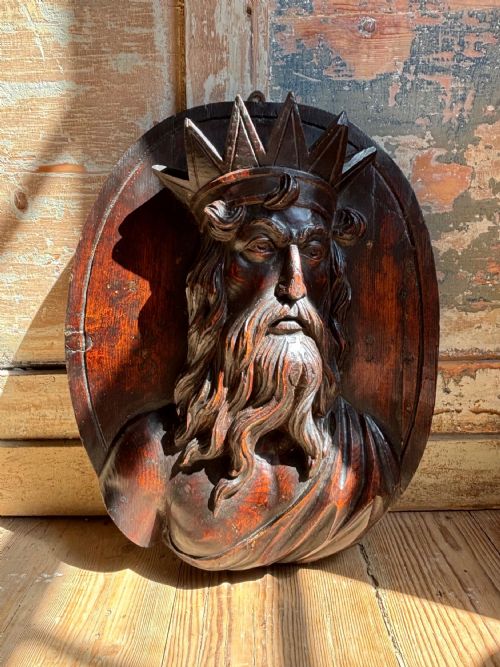
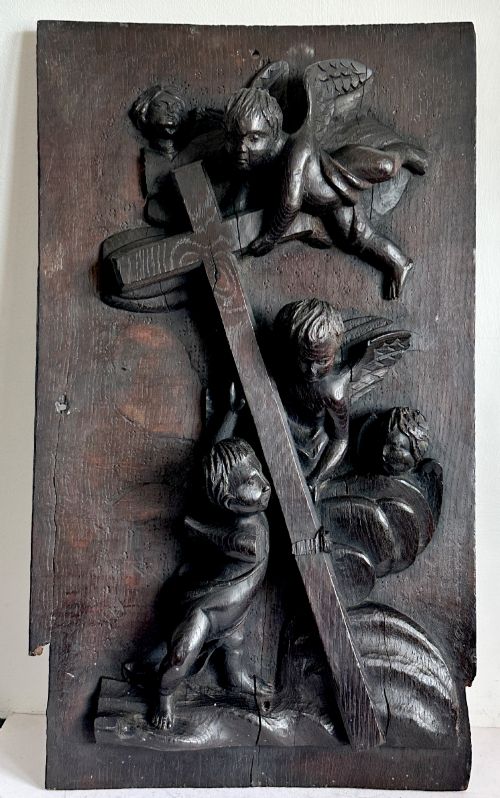
When you search for an antique carved oak plaque, you encounter timber wall panels, architectural salvage, and high-relief sculptures shaped by hand centuries ago. The versions met most often on this page span the 17th century through the Victorian era, taking forms such as religious scenes, heraldic crests, and classical figures.
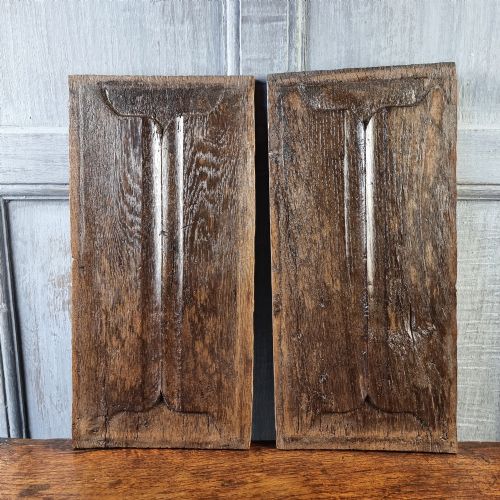
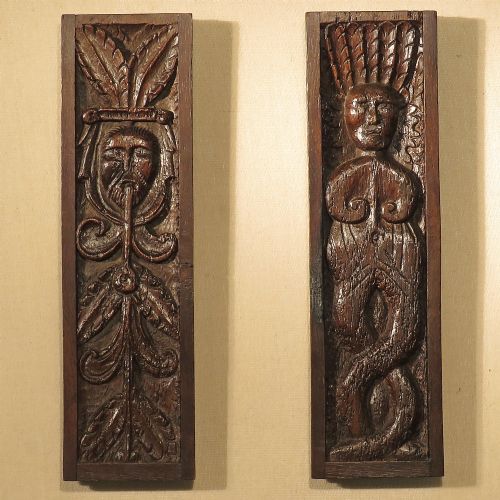
Many of these pieces began life as furniture components, church fittings, or architectural elements before being repurposed as wall decor. Subjects range from traditional linenfold patterns and Green Man motifs to allegorical carvings of faith and mythological figures like Neptune.
Materials and methods
Carvers shaped these works primarily from solid oak and dark oak timber using hand chisels and gouges to achieve varying depths of relief. Some panels incorporate brass elements, painted wood, or metal inserts to frame the carved timber.
The joinery and backing structures reveal the age of the piece, with pegged joints and hand-planed surfaces appearing on the earliest examples from the sixteenth and seventeenth centuries.
The inventory records pieces spanning from the 16th century through the Victorian era, utilising oak, brass, and painted wood.
Assessing quality
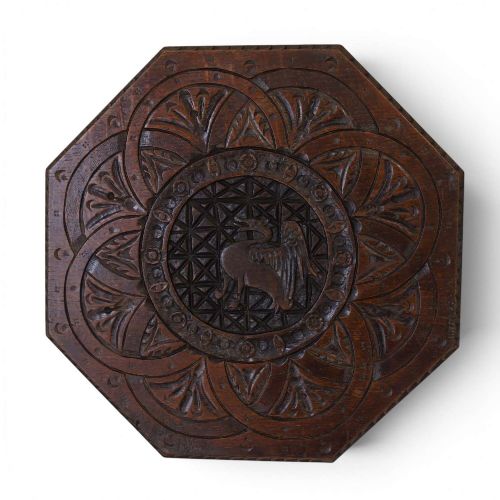
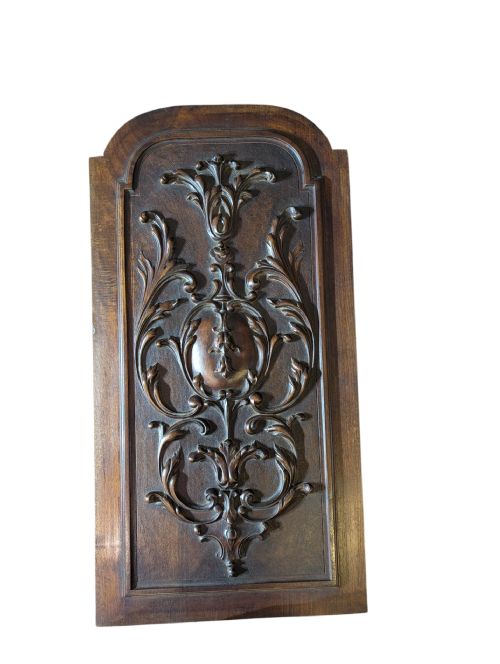
The distinction between ordinary panels and exceptional ones lies in the depth of the carving and the crispness of the detail. High-baroque and pierced acanthus leaves demonstrate superior chisel control compared to simpler geometric patterns.
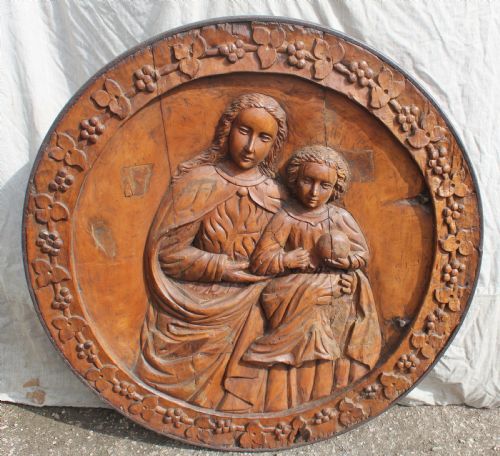
Anatomical proportion and expressive depth in figural carvings, such as faces and drapery, separate standard workshop output from master-carved panels.
The Antique Carved Oak Plaque Glossary
- Linenfold
- A style of wood carving representing folded linen, popular on early panels and church furnishings.
- High-Relief
- A sculptural technique where the figures project significantly from the background timber.
- Green Man
- A decorative architectural motif consisting of a face carved with leaves and vines issuing from the mouth.
- Acanthus
- A classical leaf ornament heavily utilised in Baroque and Renaissance wood carving.
- Architectural Salvage
- Building elements rescued from older structures to be displayed as decorative art.
Antique Carved Oak Plaque: Frequently Asked Questions
How were these oak plaques originally mounted?
Most early carved oak plaques functioned as structural parts of larger items like cupboards, wall paneling, or church choir stalls.
Later mountings often involved custom backing boards, iron brackets, or brass frames added when the panels were repurposed for wall hanging.
How do I care for antique oak panels?
Keep carved oak away from direct heat sources and strong sunlight to prevent the timber from drying out and splitting over time.
A light application of bees-wax helps nourish the antique wood grain without building up heavy residues.
Can I date a panel by its oak grain?
Early seventeenth-century oak often shows quarter-sawn medullary rays, which appear as distinctive silver flecks across the timber face.
Hand-tool marks visible on the reverse side provide further clues to the age of the cutting process.
What is the difference between a panel and a plaque?
Panels generally formed part of a larger fitted interior or piece of furniture before removal and conversion into independent wall art.
Plaques were frequently conceived as standalone sculptural items or heraldic shields designed specifically for display.