


17th Century Oak Relief
These pieces of 17th century oak relief bring historic carved architectural salvage and timber wall panels directly into modern interiors.
17th Century Oak Relief
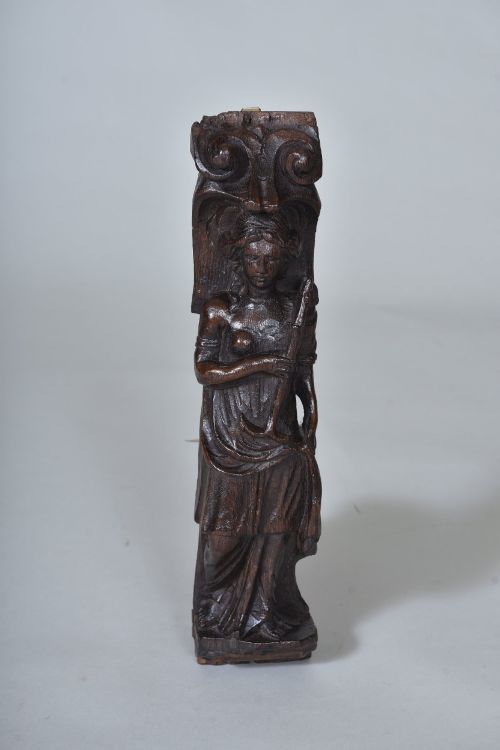
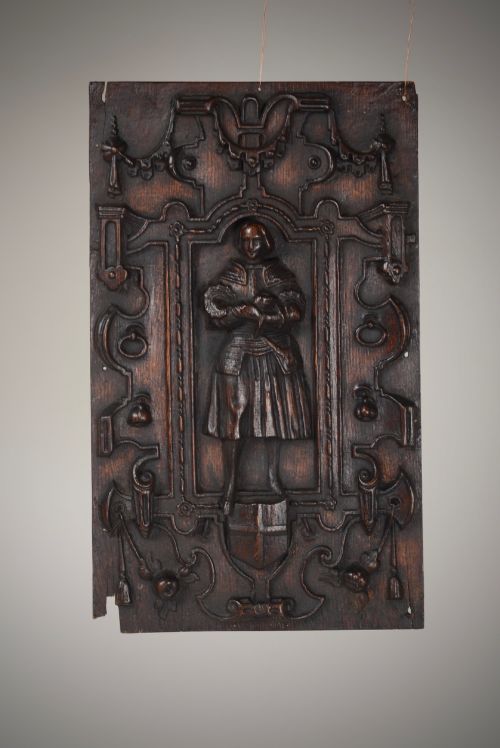
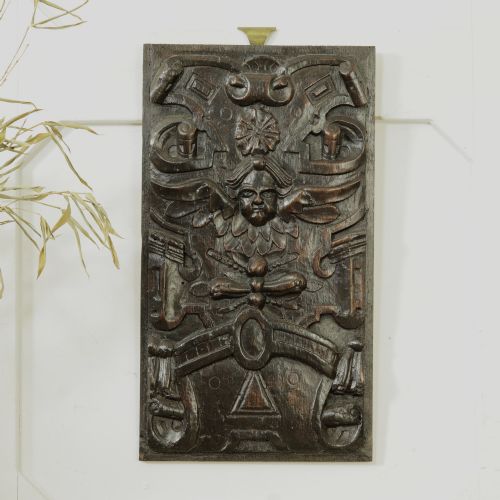
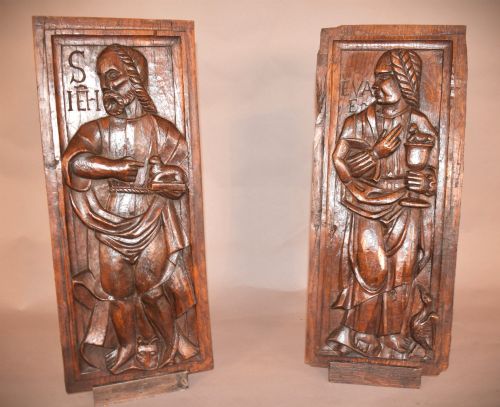
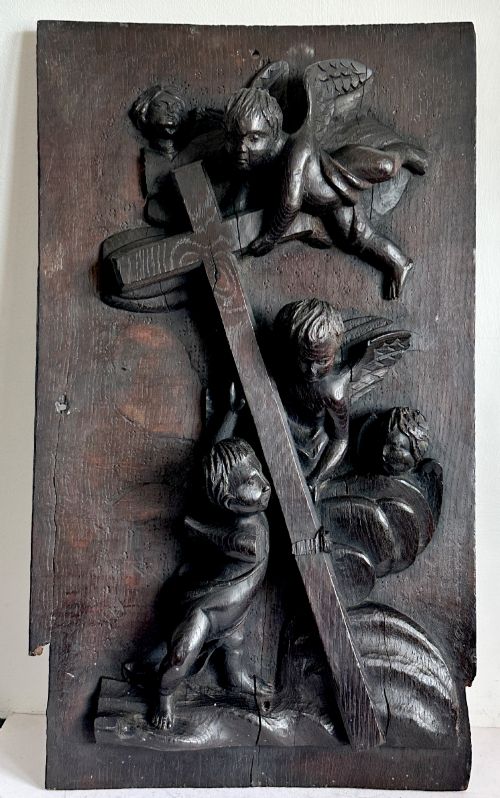
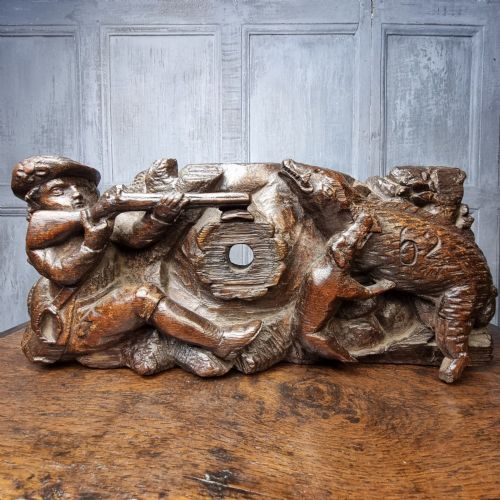
A 17th century oak relief consists of solid timber panels and architectural elements rescued from historic buildings, desks, and overdoors. Collectors search this phrase to find carved wooden panels depicting allegories, heraldry, and figural subjects.
The objects on this page range from small carvings of Roman helmets and corbels to large staircase and overdoor panels. Most examples originate from the seventeenth century, while later nineteenth century items incorporate period carvings into partners desks.
Continental workshops and English carvers produced these works in styles spanning Jacobean, High Baroque, and Gothic Revival. Buyers encounter friezes, wall art, and architectural salvage designed for display on interior walls.
What varies in quality
Depth of carving and sharpness of detail separate standard panels from monumental works attributed to known carvers. Pierced elements and complex figural subjects demonstrate higher sculptural ambition than repetitive geometric friezes.
The condition of the timber and the survival of original surface patination influence the visual presence of each panel. Integration into later furniture, such as nineteenth century desks, changes the context of the original carving.
Listings feature oak material exclusively, shaped into wall reliefs, architectural salvage, and carved wooden panels.
Edward Pearce
The 17th Century Oak Relief Glossary
- Relief
- Sculpture where the figures project from a flat background. High relief involves figures standing far out from the wood.
- Acanthus
- A carved ornamental motif based on Mediterranean plant leaves. This foliage pattern appears frequently in baroque woodwork.
- Corbel
- A structural piece of stone or wood projecting from a wall to support a weight. These architectural elements often terminate in carved human or animal heads.
- Frieze
- A wide decorative band on a wall or furniture piece. Carved friezes run horizontally beneath cornices or mantels.
- Architectural salvage
- Building components rescued from demolition or alteration. These items are repurposed as interior wall art.
17th Century Oak Relief: Frequently Asked Questions
How do I hang a heavy wood panel?
Heavy oak panels require secure wall anchors attached directly to studs or masonry. Support the weight from the base using concealed brackets where possible.
Ensure the timber acclimatises to the room humidity before mounting. Professional installation prevents strain on historic joints.
Are these panels from English or continental workshops?
English workshops produced geometric and heraldic panels in the Jacobean taste. Continental makers, particularly in Flanders and Germany, favoured elaborate baroque allegories.
Stylistic cues such as the treatment of acanthus foliage help indicate the regional origin.
Can I clean carved oak panels safely?
Dust carved surfaces gently with a soft, dry brush to remove particles from deep recesses. Avoid water, liquid cleaners, and modern oils that damage the historic timber.
Leave the dry patinated surface untouched to preserve the age of the oak.
What is the difference between a frieze and a panel?
A frieze forms a continuous horizontal band of ornament designed for the upper section of a wall or furniture. Panels are self-contained rectangular units depicting central scenes or motifs.
Both formats utilise high-relief carving techniques characteristic of the period.