
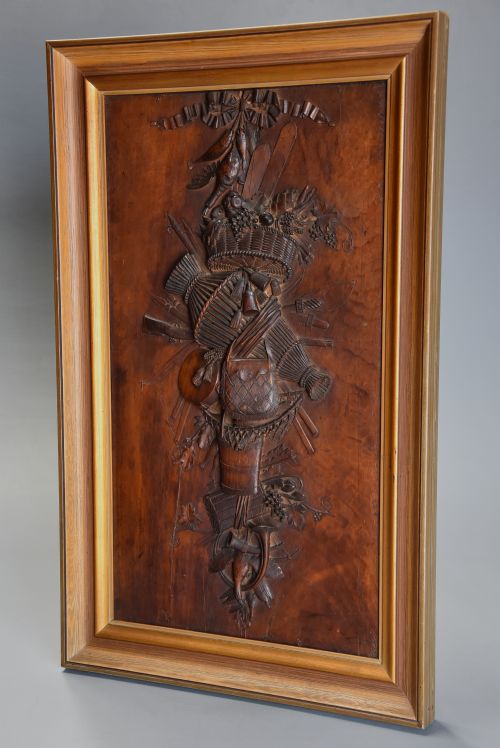


Carved Timber Wall Art
Carved timber wall art brings depth and texture to a room through centuries of woodwork traditions, from domestic panels to grand architectural fragments.
Carved Timber Wall Art
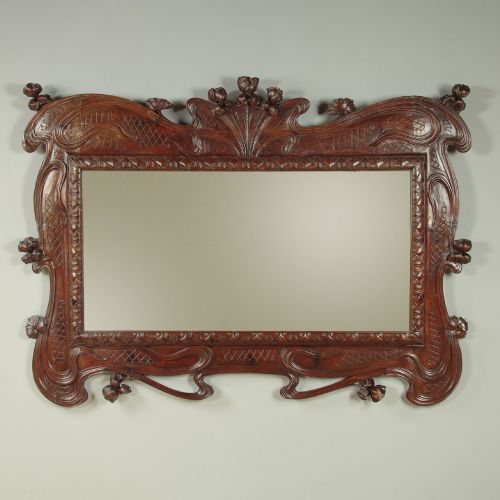
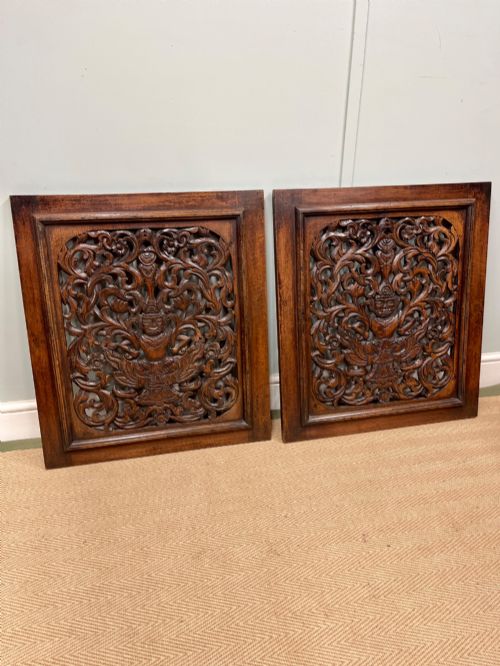
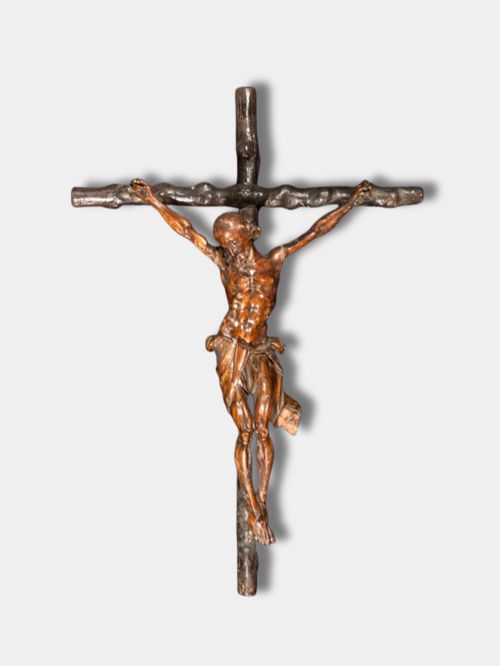
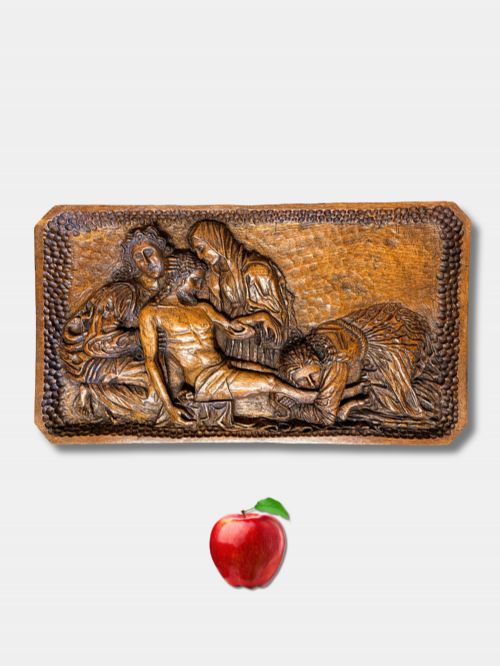
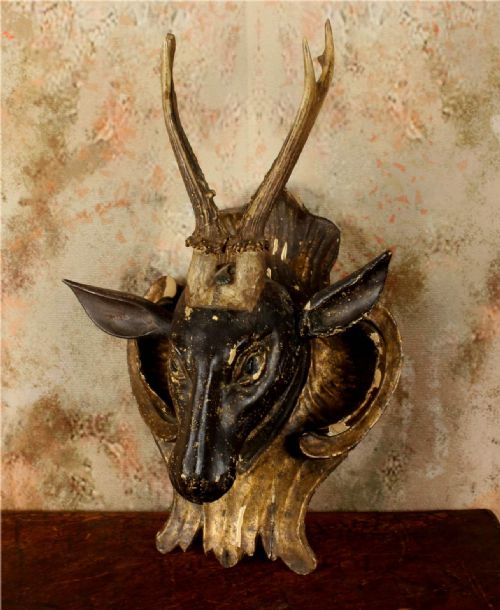
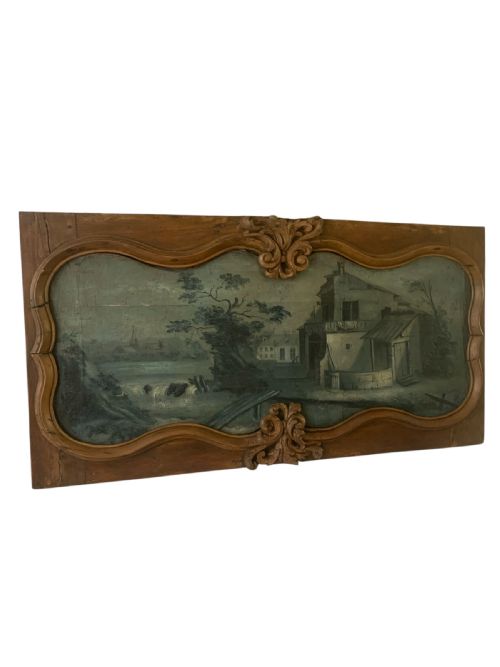
Carved timber wall art encompasses sculptural wall plaques, architectural panels, mirrors and religious carvings produced across multiple centuries. Buyers examine items originating from diverse traditions, including European Baroque panels, Black Forest trophies, Asian architectural elements and folk art.
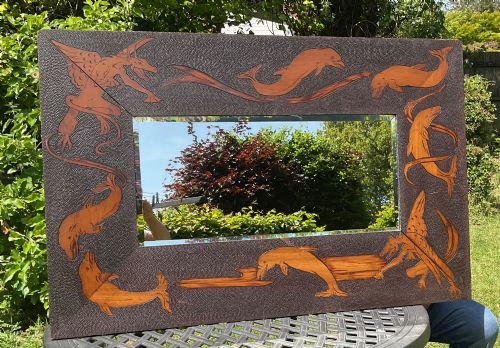
The selection on this page relies heavily on nineteenth-century oak and hardwood items alongside seventeenth-century oak panels and twentieth-century decorative mirrors. Forms range from utilitarian architectural salvage repurposed for display to intricate figurative sculptures and framed wall art.
Origins span Britain, Continental Europe, Asia and Africa, bringing together distinct regional carving styles and native timbers. Pieces function primarily as decorative focal points for interiors, mounted directly onto walls as standalone ornaments or functional mirrors.
How they were made
Craftsmen utilised native and imported timbers including oak, walnut, chestnut, fruitwood and dense hardwoods to create these works. Carving techniques involve deep relief, pierced work and detailed hand-tooling executed with chisels and gouges directly on the timber.
Surfaces frequently receive applied finishes such as paint, clear polish or dark wax to protect the wood and highlight the grain. Structural elements incorporate pegged joints, original framing, and secondary backing boards appropriate to the period of manufacture.
Carved Timber Wall Art Retail Price Guide 2026
Typical asking prices for carved timber wall art among the pieces listed under this phrase on Sellingantiques today, from the lower quarter to the upper quarter. They describe what is for sale here now, not the wider market.
What varies in quality
Quality rests primarily on the depth, sharpness and anatomical precision of the carving itself. Superior examples demonstrate confident handling of form, whether rendering human figures, foliage or animal subjects with distinct musculature and expression.
The integrity of the timber and the preservation of the original surface patination distinguish finer items from later replacements or heavily restored pieces. Well-defined edges, balanced proportions and harmonious integration with original frames elevate the standing of a wall carving.
Edward Pearce·Gabriel Viardot
The Carved Timber Wall Art Glossary
- Relief
- A sculptural technique where figures or designs project from a flat background. High relief elements stand almost entirely free of the mounting panel.
- Architectural salvage
- Elements rescued from dismantled buildings or furniture. These components are adapted to serve as decorative wall panels or mirrors.
- Black Forest
- A nineteenth-century style originating in the wooded mountain region of Central Europe, characterised by naturalistic carvings of animals and foliage.
- Polychrome
- The practice of decorating architectural elements and timber carvings with multiple colours of paint. This finish survives on various folk art and ethnic panels.
- Cart fragment
- A portion of a painted and carved wooden vehicle used in regional transport. These pieces often feature vibrant folk motifs and dynamic figural scenes.
Carved Timber Wall Art: Frequently Asked Questions
How do I hang heavy carved wooden panels?
Heavy timber wall art requires sturdy fixings secured directly into wall studs or masonry using appropriate brackets. Wall panels often weigh considerably more than standard framed pictures.
Professional installation is advisable for large architectural salvage or dense hardwood panels to ensure weight is evenly distributed across the mounting hardware.
What periods are represented in wooden wall art?
The available pieces span from the seventeenth century through the early twentieth century. Seventeenth-century examples typically feature dark oak with deep religious or heraldic motifs.
Later nineteenth and twentieth-century pieces introduce varied regional styles including Black Forest hunting trophies, Arts and Crafts mirrors and folk art panels.
How should I clean antique wood carvings?
Dust timber carvings gently using a dry, soft-bristled brush to reach into crevices without damaging the surface. Avoid liquid cleaners, modern polishes and excessive moisture.
Maintain stable indoor humidity levels to prevent the timber from drying out, cracking or warping over time.
What is the difference between a panel and a plaque?
Panels generally originate as structural components from furniture, ceilings or architectural interiors, often featuring flat or relief decoration meant to fit a frame. Plaques are usually standalone decorative items designed specifically for wall display.
Both forms share similar carving techniques but differ in their original function before entering the decorative market.