


Carved Wood Overdoor Panel
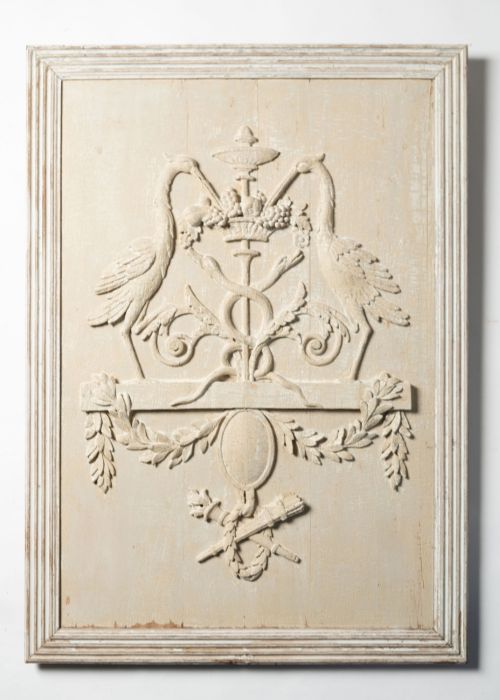
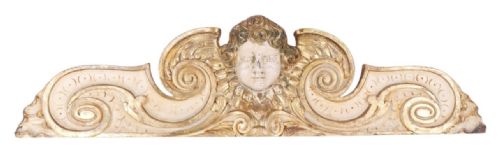
A carved wood overdoor panel crowns a doorway with deep relief, bringing architectural scale and centuries of hand-carved history into a room.
Carved Wood Overdoor Panel
A carved wood overdoor panel sits above a traditional doorway to frame an architectural transition, often taking the form of an architectural salvage piece, wall relief, or pediment. These items originate from periods spanning the seventeenth, eighteenth, and nineteenth centuries, reflecting European interior traditions.
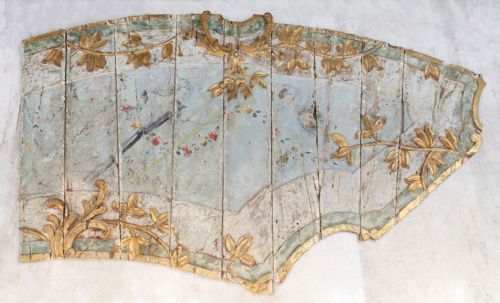
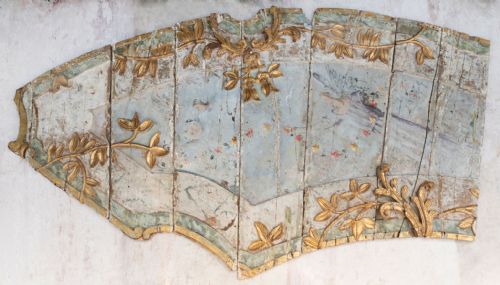
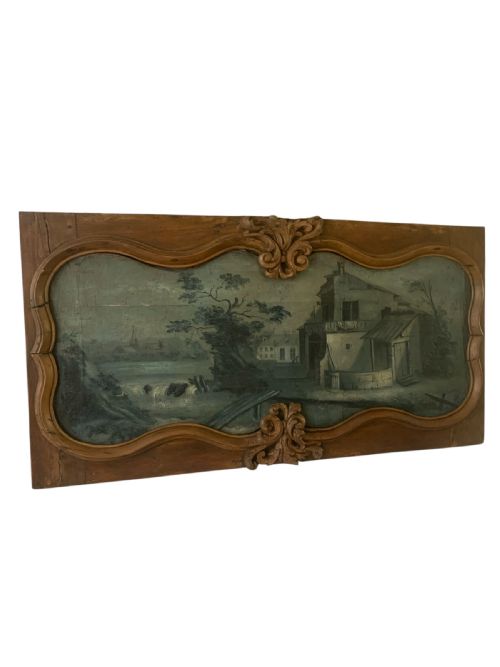
The pieces listed here appear as architectural fragments, wall art, and painted panels rather than complete structural installations. Buyers frequently encounter formats associated with French Chateau, Italian Rococo, Baroque, and English Baroque styles.
Makers and workshops from these earlier eras produced both grand pediments and narrower panels to suit domestic and public interiors. Surviving examples often retain traces of their original surface treatments, including gold leaf, gesso, and paint.
How they were made
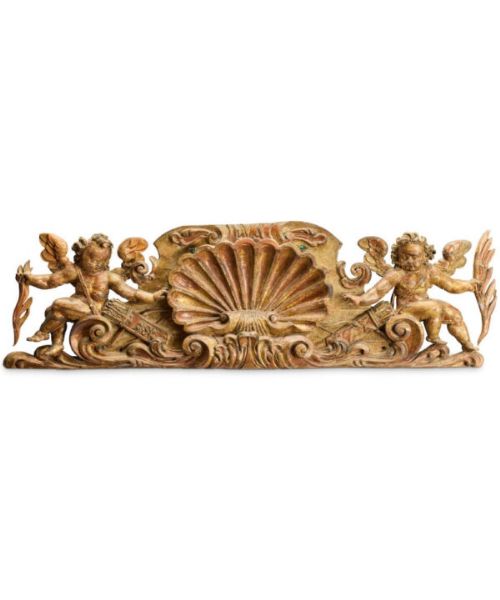
Carvers shaped timber and oak using hand chisels and gouges to create high relief motifs such as cherubs, foliage, and hunting scenes. This subtractive woodworking technique required precise control over the grain to achieve deep undercut details without splitting the timber.
Surfaces were frequently prepared with gesso before receiving paint, parcel gilt, or gold leaf finishes. These traditional layers added light reflection and protected the underlying carved wood from environmental shifts.
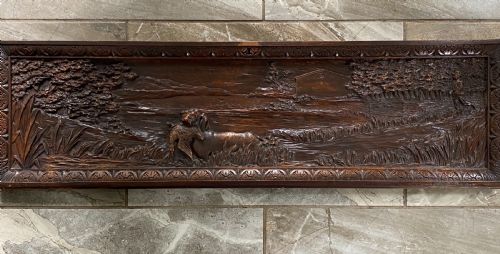
One Black Forest dog hunting panel records the chase in high relief wood, bringing barking hounds right to your lintel.
What varies in quality
Depth of carving and anatomical proportion separate standard architectural fragments from exceptional artistic works. Master carvers achieved fluid movement in figures and foliage that lesser workshops rendered with rigid symmetry.
The integrity of the original timber and the survival of early surface treatments such as parcel gilt and paint determine the historical depth of the piece. Panels that retain untouched patination from their centuries of use hold greater visual weight than heavily restored surfaces.
Grinling Gibbons·Edward Pearce
The Carved Wood Overdoor Panel Glossary
- Architectural salvage
- Building elements rescued from older structures for reuse or display. These items preserve craftsmanship from demolished interiors.
- Gesso
- A plaster mixture applied to wood as a smooth base for gilding or painting. It provides a crisp ground for fine detail.
- Parcel gilt
- A decorative technique where only specific areas of a carved object are gilded with gold leaf. This creates contrast against painted or bare wood.
- Pediment
- A triangular or segmental architectural crown placed above doors, windows, or mantelpieces. In overdoors, this form often houses elaborate relief carvings.
- Wall relief
- Sculpture that projects from a flat background surface rather than standing in the round. Overdoor panels rely on this technique to create shadow and depth above a doorway.
Carved Wood Overdoor Panel: Frequently Asked Questions
How do I hang a heavy wooden overdoor panel safely?
Secure the panel directly into wall studs using heavy-duty steel brackets or a French cleat system designed to bear substantial weight. Because these timber pieces are dense and structurally rigid, proper anchoring into structural framing is essential.
Consult a professional installer if the wall construction consists of lath and plaster or masonry. Distributing the weight evenly prevents stress fractures in the antique wood over time.
Can these panels be cleaned without damaging old paint or gold leaf?
Dust the carved surfaces gently with a soft-bristled brush or a dry microfiber cloth to remove everyday debris. Avoid using water, chemical solvents, or modern cleaning sprays on antique timber and delicate gesso surfaces.
Moisture can lift nineteenth-century paint layers or dissolve historic water-gilding. If deeper conservation cleaning is required, seek advice from a professional restorer.
Where should I place an overdoor panel in a modern room?
Mount the panel directly above a standard interior doorway to follow its original architectural function. This placement draws the eye upward and emphasises room proportions.
Alternatively, hang the piece as a standalone wall art element above a sofa or mantelpiece. The horizontal format anchors large wall spaces effectively.
How do I distinguish Baroque panels from Rococo examples?
Baroque panels display symmetrical weight, classical motifs, and robust architectural structure influenced by seventeenth-century design. The carving tends to be monumental and grounded in formal geometry.
Rococo panels embrace asymmetrical C-scrolls, shell motifs, and lighter, more playful decorative rhythms popular in the eighteenth century. Examining the underlying design geometry reveals the period aesthetic.