


18th Century Carved Panel
An 18th century carved panel brings tangible historical narrative into a room through deep relief work in timber.
18th Century Carved Panel
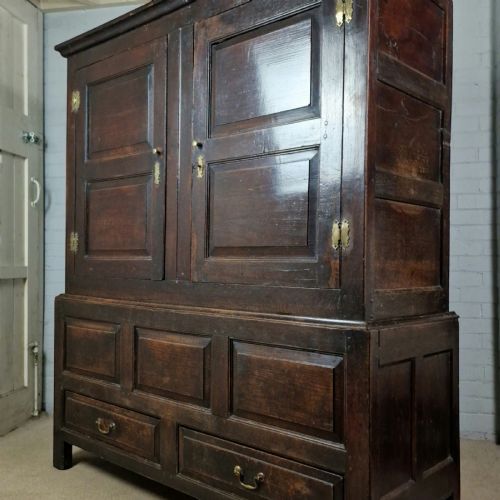
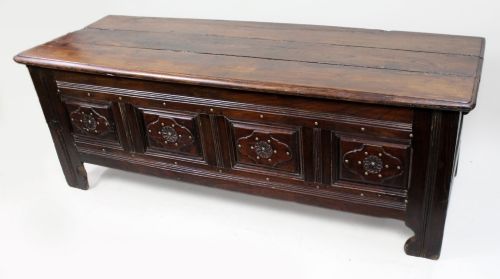
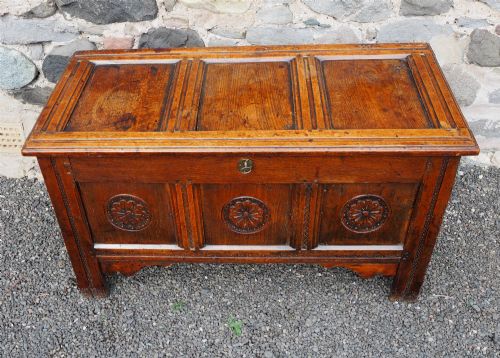
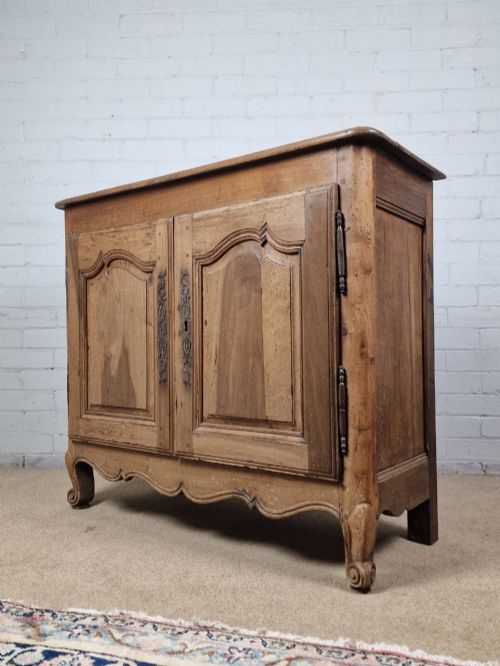
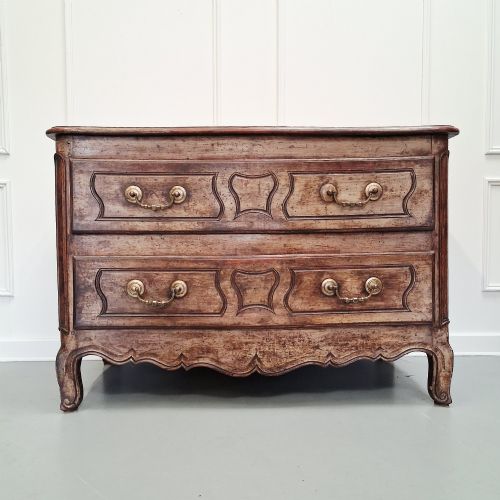
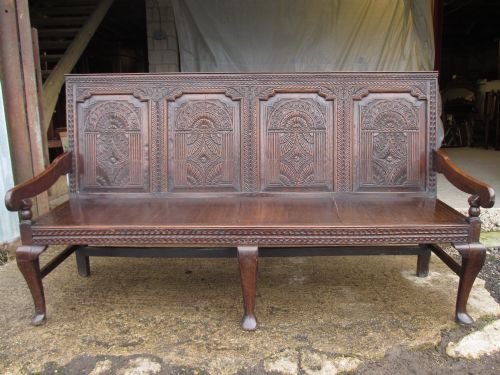
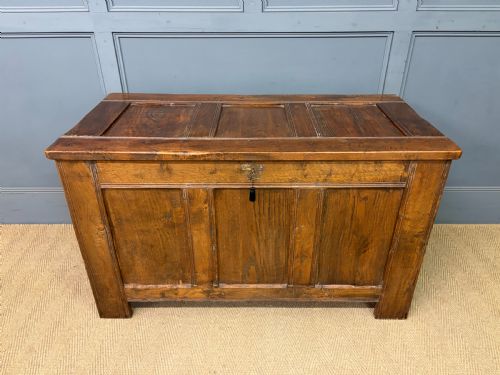
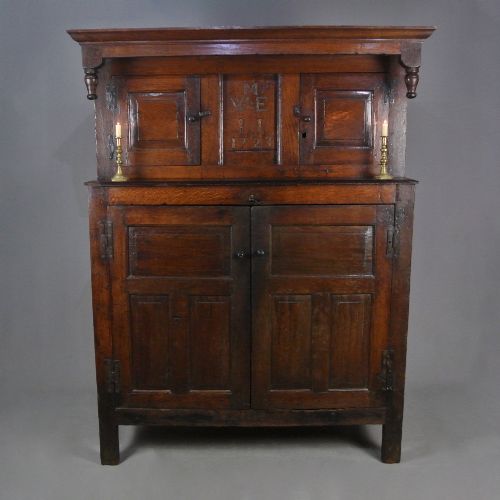
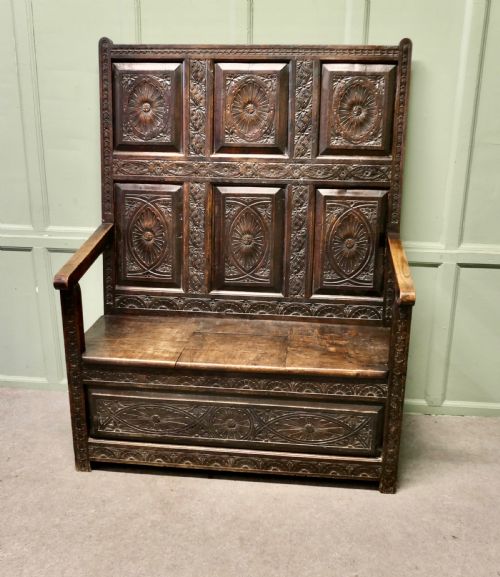
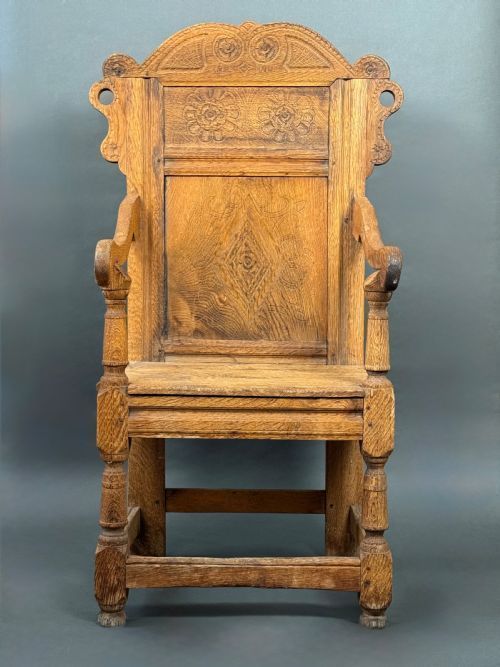
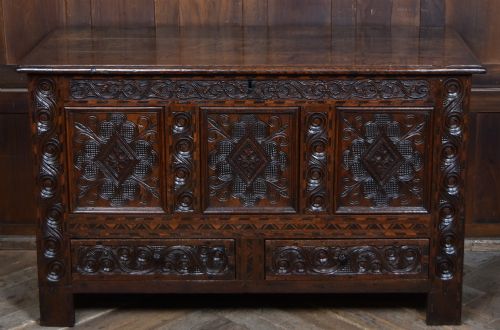
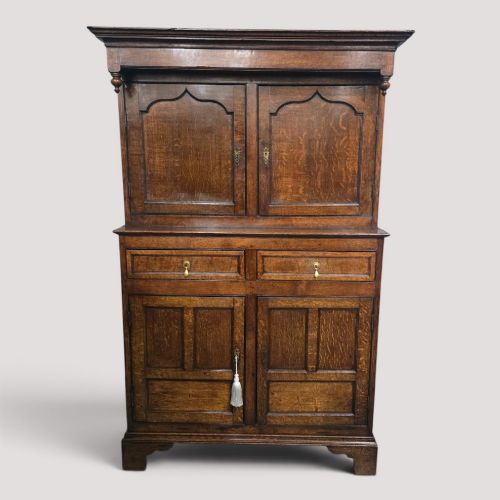
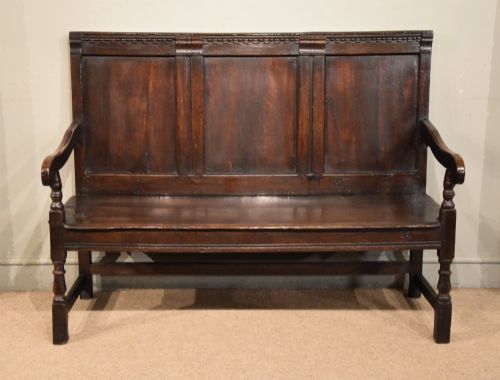
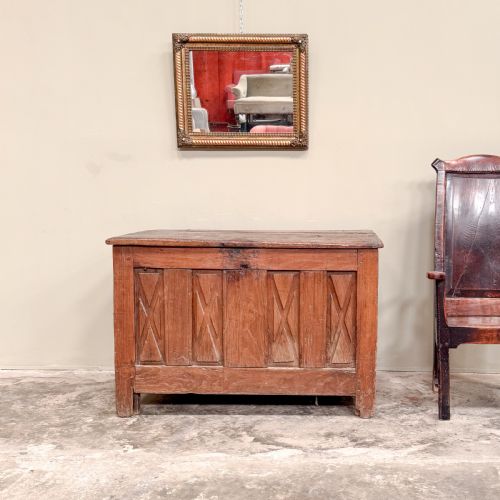
When searching for an 18th century carved panel, buyers encounter architectural fragments, ceiling bosses, furniture reliefs, and wall sections that originate primarily from domestic interiors and ecclesiastical settings. The items appearing here range from standalone sculptural plaques depicting mythological scenes and mythical beasts to panels integrated into larger furniture forms such as coffers, settles, and court cupboards.
The dominant material across these selections is oak, often worked in English, Welsh, or continental European provincial workshops during the Georgian period. Many pieces display distinct folk art motifs, including Green Men, Tudor roses, dragons, and apotropaic marks intended to ward off misfortune.
While some examples survive as isolated architectural salvage intended for modern display, others form components of fitted cabinetry or chests constructed during the 1700s. The assortment shifts between geometric strapwork, floral reliefs, and figurative carvings featuring cherubs, sea monsters, and hunting scenes.
Methods and materials of construction
Woodcarvers of this era relied on seasoned native timbers, predominantly English and European oak, alongside occasional pine and walnut for specific regional commissions. Carpenters shaped these dense hardwoods using hand saws, adzes, and drawknives before joiners secured the sections with pegged mortise and tenon joints.
The surface decoration was executed entirely by hand using gouges, chisels, and V-tools to achieve varying depths of relief. Finished items frequently retain tool marks and evidence of waxing or polishing built up over centuries of domestic maintenance.
The listings show oak as the predominant timber, accompanied by pine, walnut, and iron hardware across items dated from the seventeenth to the nineteenth centuries.
Distinctions in craftsmanship and preservation
The degree of definition and proportion in the relief carving dictates the upper tier of quality. Master carvers achieved anatomical accuracy and fluid movement in complex subjects like dragons, human figures, and foliage, whereas provincial pieces often display a stiffer, naive execution.
Surface integrity and originality heavily influence a piece's standing. Examples retaining their untouched dry patination, original pegged construction, and minimal modern timber replacement command greater appreciation than heavily restored or aggressively sanded surfaces.
The 18th Century Carved Panel Glossary
- Coffer
- A large wooden chest used for storage, typically constructed with heavy planking and panelled sides. These often feature carved front panels displaying regional motifs.
- Green Man
- A sculptural architectural ornament depicting a human face carved with leaves, vines, or branches sprouting from the mouth. This ancient symbol represents rebirth and the spirit of vegetation.
- Apotropaic mark
- A ritual protection symbol carved into timber to ward off evil spirits and witches. These marks frequently take the form of overlapping circles or geometric sigils.
- Mule chest
- A traditional storage chest featuring one or more drawers built into the base beneath the main compartment. They combine the storage capacity of a coffer with the accessibility of a chest of drawers.
- Strapwork
- A decorative carving style consisting of flat, interlaced bands resembling leather straps or ribbons. This technique was popular for framing panels and friezes.
18th Century Carved Panel: Frequently Asked Questions
How were these panels originally used?
These carved sections typically served as structural components of domestic architecture, wall panelling, or substantial furniture like coffers and court cupboards.
Over subsequent centuries, many architectural elements were salvaged from dismantled buildings to be mounted independently as decorative wall art.
What is an apotropaic mark?
Apotropaic marks are protective ritual symbols carved into wood to guard households against malevolent forces and witchcraft.
Cabinet makers and homeowners placed these geometric incisions near doorways, panels, and storage areas for supernatural security.
How do I hang a heavy wooden panel?
Securing a dense timber carving requires robust hardware attached directly to the internal structural framework rather than floating surface elements.
Utilising concealed metal brackets or a sturdy French cleat system distributes the substantial weight safely across a wall.
Why do many pieces feature dragons and Green Men?
Mythological creatures and foliate masks formed a central pillar of vernacular woodworking traditions throughout the Georgian era and earlier centuries.
Carvers drew upon local folklore, religious symbolism, and classical mythology to ornament domestic interiors with apotropaic and decorative imagery.