



Parcel Gilt Pediment
These parcel gilt pediment pieces are architectural elements and mirrors that bring classic proportion to a room.
Parcel Gilt Pediment
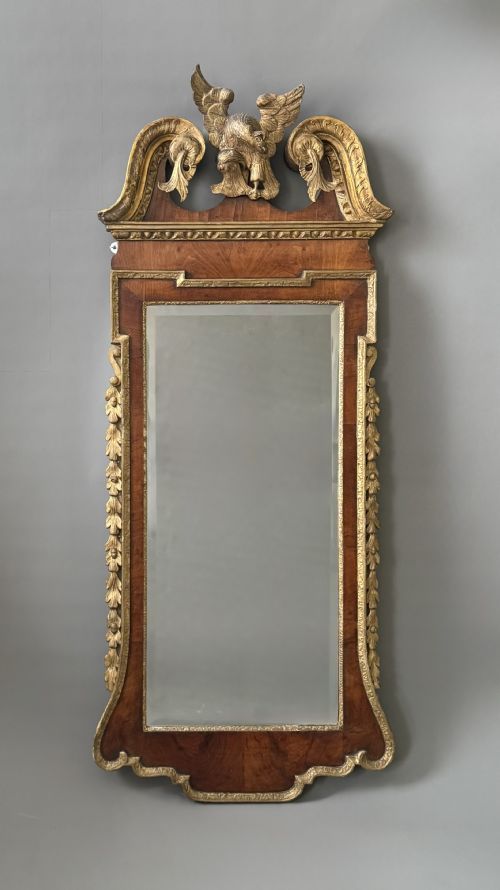
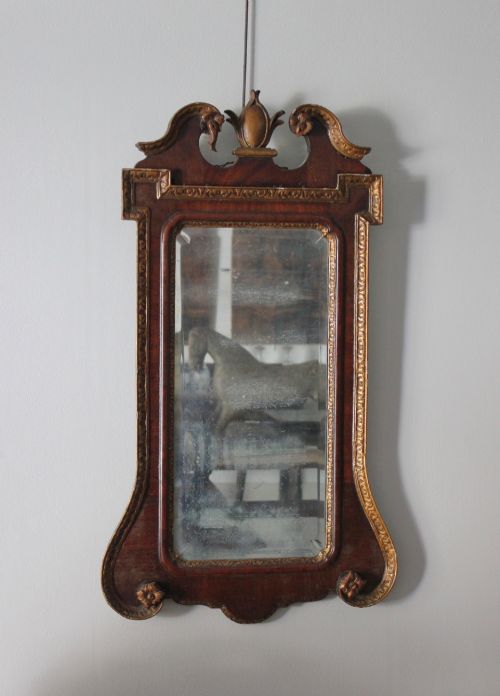
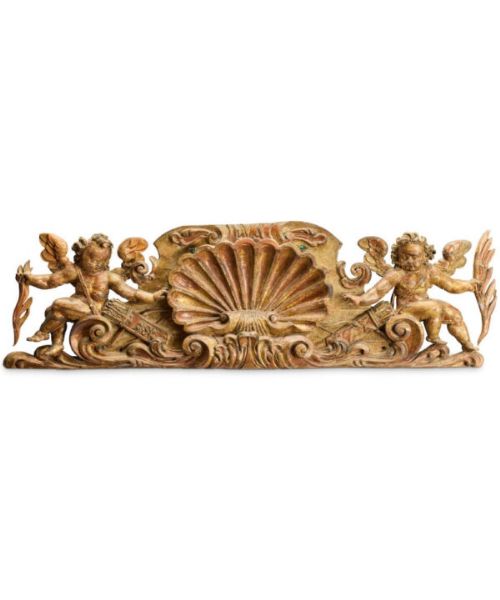
When you search for parcel gilt pediment, you encounter architectural fragments and mirrors from the eighteenth and nineteenth centuries. These items combine carved wood or glass with partial gilding, reflecting Georgian and revival aesthetics.
You are most likely to meet wall mirrors and pier mirrors framed in walnut, mahogany, or burr walnut, alongside carved wood architectural pediments. The designs draw on English Baroque and George II styles, often following the manner of William Kent or Grinling Gibbons.
The objects originate from eighteenth-century workshops as well as nineteenth-century revival periods. Walnut and mahogany predominate among the timbers, paired with mirror glass and giltwood highlights.
How they were made
Craftsmen shaped solid timbers such as walnut, mahogany, and burr walnut to form the structural frames and pediments. Carved wood details were then applied before the partial application of gold leaf to selected areas.
Mirrors incorporated original glass plates set within carved and gilt wood surrounds. Architectural fragments utilised hand carving on timber to create classical pediment forms intended for display.
Listings feature walnut, mahogany, and burr walnut alongside mirror glass and giltwood.
What varies in quality
Depth and crispness of the wood carving distinguish finer examples from simpler production. The handling of the parcel gilding against the dark grain of walnut or mahogany dictates the visual balance of the piece.
The retention of original mirror glass and the integrity of the timber ground determine the standing of an item. Nineteenth-century revival pieces display varying degrees of fidelity to eighteenth-century proportions.
William Kent·Grinling Gibbons
The Parcel Gilt Pediment Glossary
- Parcel gilt
- Partially gilded, where gold leaf is applied only to specific carved highlights while the underlying wood remains visible. This technique contrasts the warm tone of walnut or mahogany with the brightness of gold.
- Pediment
- A classical architectural crowning element above a door, window, or mirror frame. These decorative triangular or arched forms originate from classical building design.
- Pier mirror
- A tall mirror designed to hang on the wall between two windows. They often feature elaborate parcel gilt pediments and figured timber frames.
- Burr walnut
- Timber taken from a walnut tree growth, showing intricate, swirling grain patterns. It was frequently used for high-status cabinet work and mirror frames.
- George II style
- A design aesthetic reflecting the reign of George II, characterised by architectural gravity and bold carving. Revival versions of this style appeared later in the nineteenth century.
Parcel Gilt Pediment: Frequently Asked Questions
What is a parcel gilt pediment?
A parcel gilt pediment is a decorative architectural crown or the top section of a mirror frame where portions are highlighted with gold leaf.
These elements reflect classical design principles used in eighteenth-century interiors.
Where were pier mirrors placed?
Pier mirrors were hung on the narrow section of wall between two windows, known as the pier.
Positioned thus, they served to reflect natural light deeper into Georgian rooms.
How do I distinguish eighteenth-century pieces from nineteenth-century revivals?
Eighteenth-century items show period timber ageing and hand tool marks consistent with their origin. Nineteenth-century revival pieces often interpret earlier George II styles with different framing techniques.
Examining the mirror glass and the construction behind the frame helps clarify the date.
What woods were used for these frames?
Walnut, mahogany, and burr walnut form the primary timbers for these mirrors and architectural elements. Craftsmen chose these dense woods for their rich grain and suitability for carving.
Giltwood accents were combined directly with these dark woods.