



Antique Wall Frieze
An antique wall frieze brings architectural character and narrative depth to a room through carved wood or gilded ornament.
Antique Wall Frieze
An antique wall frieze comprises horizontal decorative bands, panels, and pediments designed to ornament interiors or architectural surfaces. When searching this phrase, buyers encounter architectural salvage, carved wooden panels, and ornamental sections originating from domestic and public buildings.
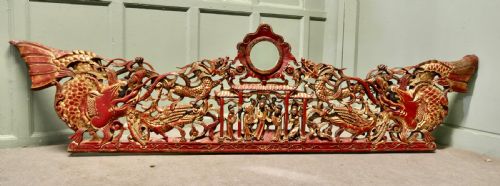
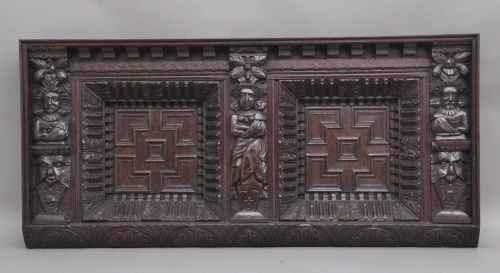
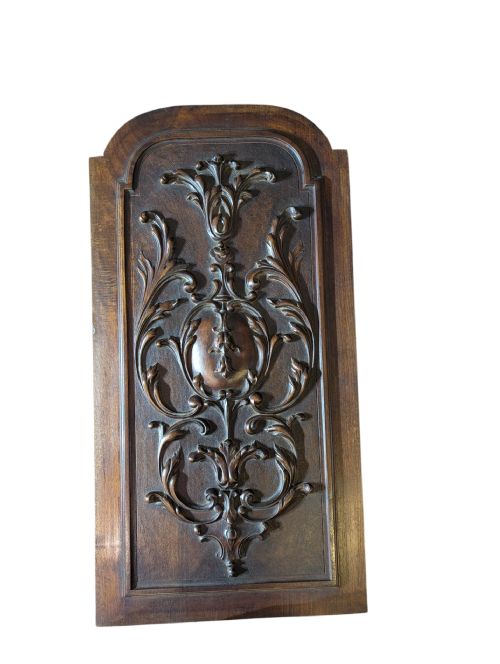
The selections span several centuries, featuring pieces from the seventeenth, eighteenth, and nineteenth centuries. Common forms include carved oak overdoor panels, architectural pediments, and decorative wall panels reflecting Jacobean, Georgian, and Regency styles.
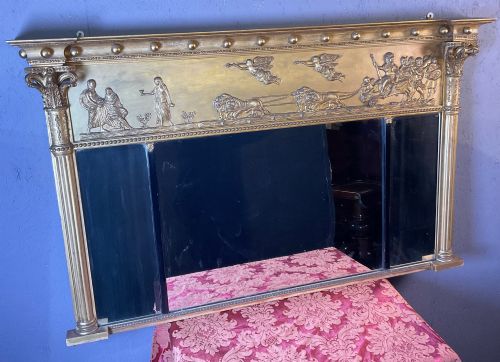
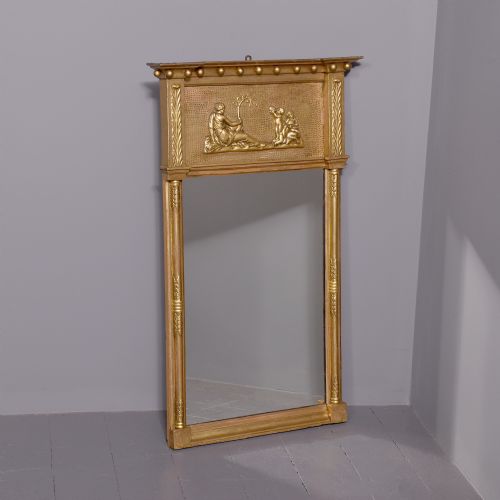
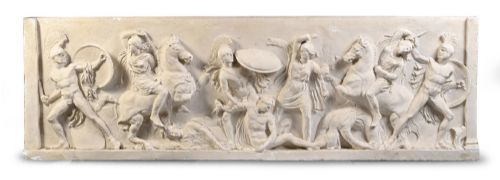
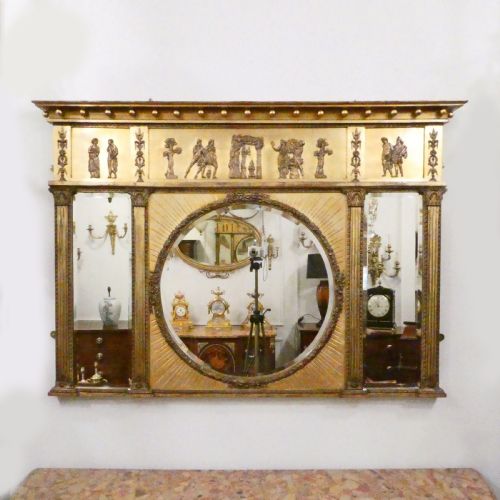
Many examples incorporate figurative or classical motifs such as laurel wreaths, griffins, and mythological scenes. These elements reflect the aesthetic priorities of their respective periods, ranging from medieval Gothic fragments to ornate French château mirrors.
Materials and technique
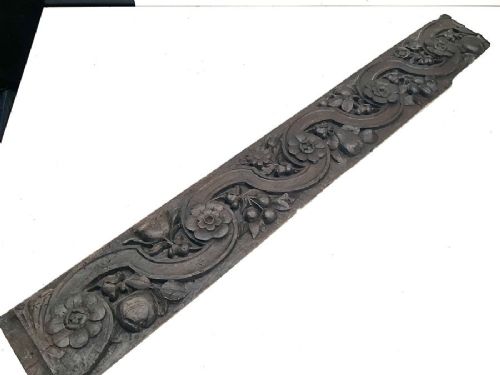
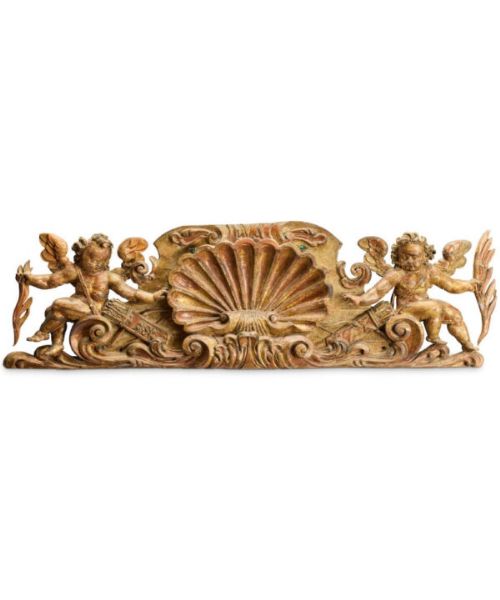
Wood serves as the primary substrate, with carvers utilising English walnut, oak, and mahogany for structural depth and durability. Artisans shaped these timbers through hand carving, producing high and deep relief details that capture light and shadow.
Surface decoration frequently involves gesso applied over wood, finished with gold leaf, giltwood, or parcel gilt highlights. Certain pieces also incorporate paper, ink, glass, and marble dust reliefs, demonstrating diverse material combinations across European workshops.
The listings feature oak, giltwood, and gesso materials spanning the seventeenth through to the twentieth centuries.
What varies in quality
Quality rests upon the depth of the carving and the crispness of the detail. Pieces executed with confident, deep relief display greater sculptural command than shallow or mechanically smoothed surfaces.
The integrity of the original surface finish, whether aged gilding or patinated oak, dictates the visual authority of the piece. Intricate motifs like mythological figures and floral garlands distinguish superior examples from simpler mouldings.
The Antique Wall Frieze Glossary
- Giltwood
- Wood that has been coated with gold leaf or gold paint. This technique accentuates carved architectural details on mirrors and panels.
- Gesso
- A plaster mix applied to wood surfaces to create a smooth base for gilding or painting. It allows for intricate moulded ornamentation.
- Pediment
- A triangular or decorative architectural crown above a door, window, or mirror. These elements derive from classical building traditions.
- Pier glass
- A tall mirror designed to hang on the wall between windows. They often feature gilded frames and matching console tables.
- Parcel gilt
- A finishing method where only specific parts of an object are gilded while other areas remain exposed wood or paint.
Antique Wall Frieze: Frequently Asked Questions
How do I hang a heavy wooden frieze?
Heavy carved wooden panels require secure wall anchors fixed directly into structural studs or masonry. Using heavy-duty brass brackets distributes the weight evenly across the panel length.
Professional installation is recommended for oversized pieces or dense hardwoods like oak. Ensure the supporting hardware matches the load capacity of the specific wall type.
Where should I place a wall frieze?
These pieces suit placement above doorways, mantelpieces, or as standalone focal points on large wall expanses. They provide architectural definition to plain modern interiors.
Matching a frieze with console tables or mirrors creates a cohesive classical arrangement in hallways and reception rooms.
How do I identify a Regency frieze?
Regency pieces typically feature classical motifs such as laurel wreaths, griffins, and Neoclassical symmetry. Giltwood finishes and crisp, restrained carving distinguish this period from heavier Baroque styles.
Proportions remain balanced, often incorporating convex mirrors or tripartite plate configurations within the design.