



Carved Putti Sculpture
Carved putti sculpture brings winged mythological figures and cherubs into interiors, prized for expressive posture and theatrical decorative presence.
Carved Putti Sculpture
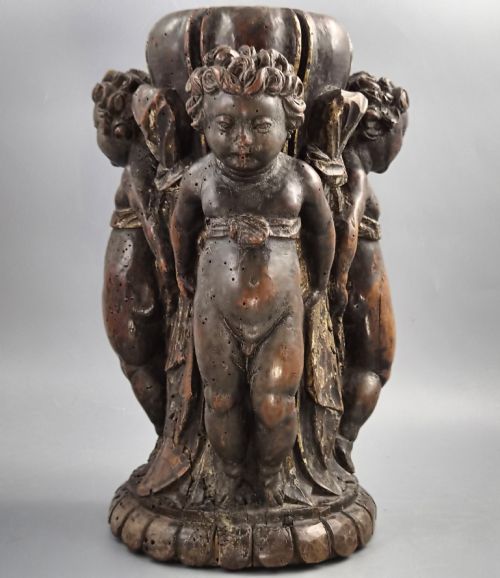
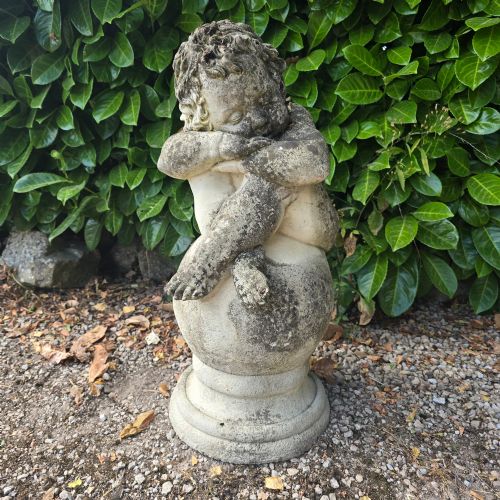
A carved putti sculpture depicts winged child figures derived from classical mythology, frequently appearing in religious and secular architectural contexts across European traditions. Buyers seek these pieces for their dynamic postures and expressive movement, which add theatricality to period interiors.
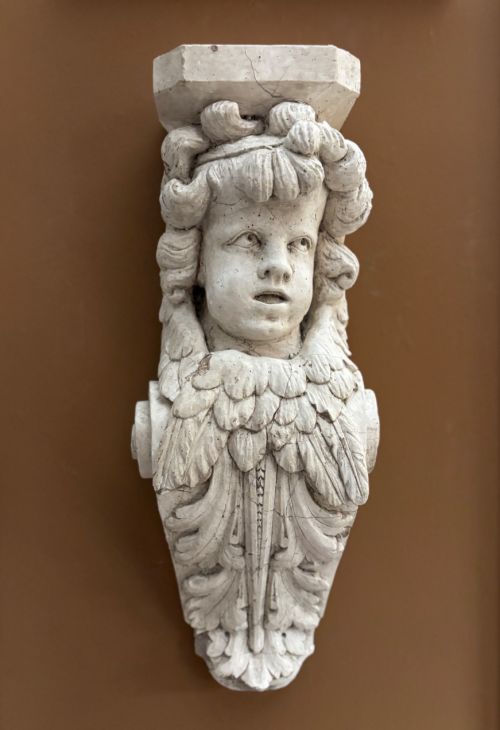
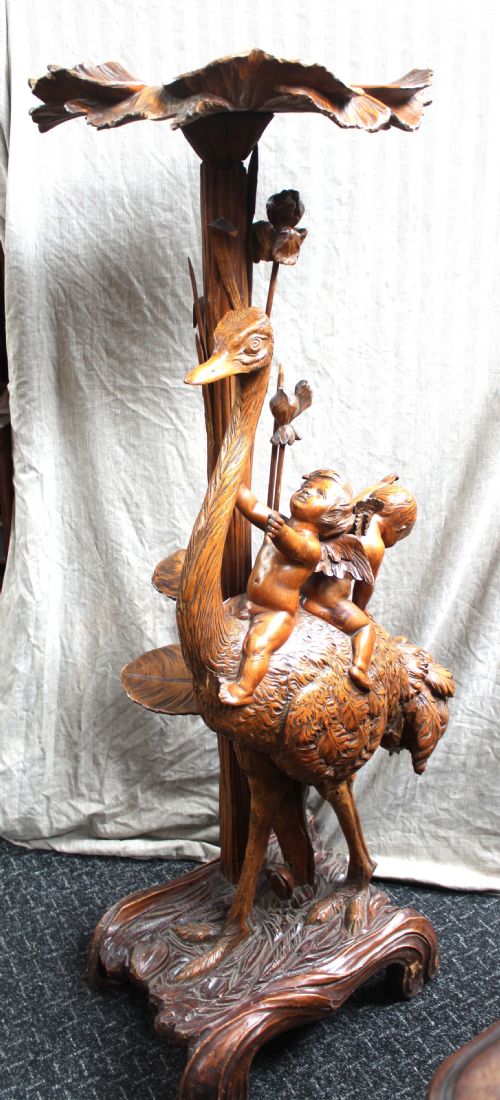
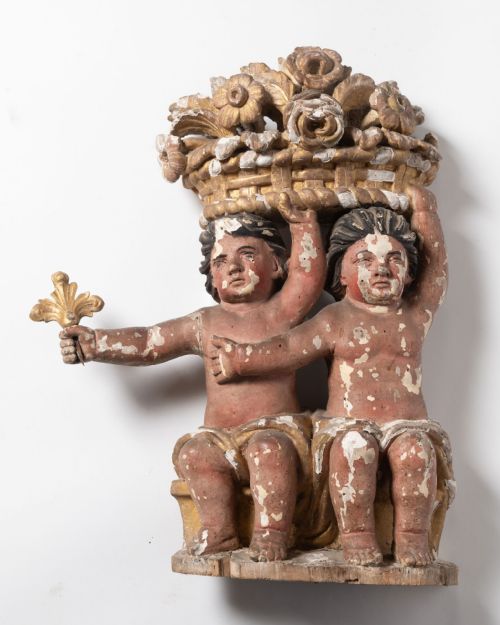
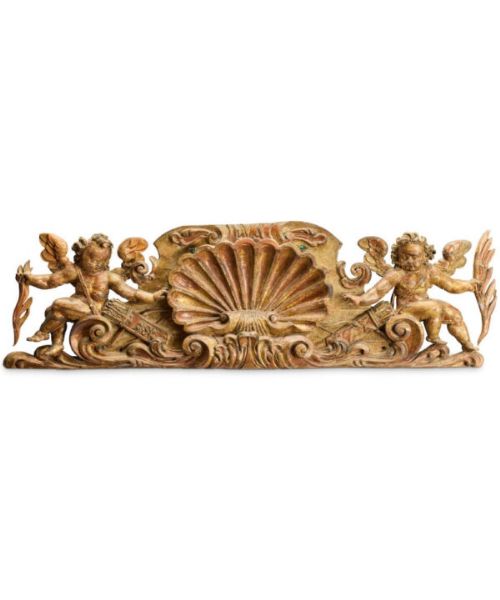
The selections span multiple centuries, with seventeenth-century walnut torchiere bases and eighteenth-century polychrome wood figures appearing alongside nineteenth-century Italian Renaissance revival interpretations. Wall corbels, architectural pediments, and freestanding statues represent the primary physical formats available.
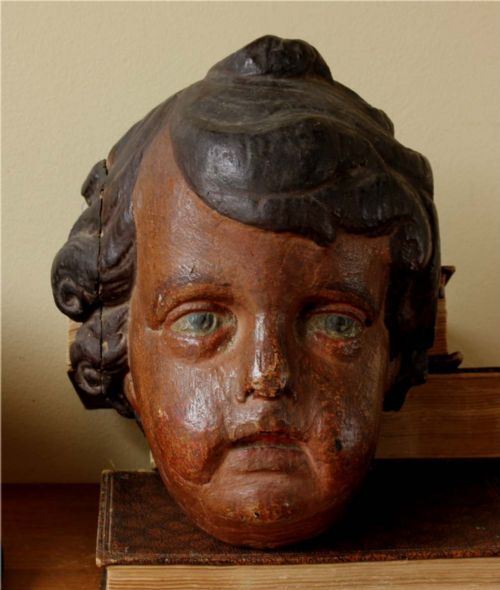
Originating predominantly from Italian and French workshops, these sculptures reflect regional stylistic shifts from the exuberant curves of the Baroque to the restrained symmetry of Neoclassical design. Collectors frequently encounter smaller single cherub heads and pairs of flanking angels designed to support architectural elements.
Materials and construction methods
Artisans carved these figures primarily from dense hardwoods including walnut, limewood, and oak, which permitted intricate undercut details and delicate facial expressions. Softwoods and gesso grounds provided smooth surfaces suitable for subsequent gilding with gold leaf or application of polychrome paint.
Surface treatments range from bare timber finished with wax to complex polychrome and silvered schemes that enhanced the theatricality of Baroque architectural decoration. Leathermaché and carved alabaster also appear, demonstrating the diverse media employed by makers to achieve sculptural relief and texture.
The listings show carved putti sculptures spanning the seventeenth to the nineteenth centuries, utilising walnut, oak, limewood, alabaster, and marble.
Factors influencing quality
The vitality of the carving determines visual success, separating mechanical production from works executed by skilled hands with deep understanding of human anatomy and drapery. Crisp undercut details in the hair, wings, and limbs indicate superior craftsmanship.
Surface preservation dictates historical integrity, with original polychrome paint, gesso, or gold leaf holding greater aesthetic value than later repainting or stripped timber. The harmony between the sculptural figure and its original architectural function, such as a corbel or torchiere base, completes the assessment.
Antonio Canova·Grinling Gibbons·Denise Delavigne·Pugi
The Carved Putti Sculpture Glossary
- Putto
- A plump, often winged child figure originating in classical art and revived during the Renaissance and Baroque periods. Plural putti.
- Torchiere
- A tall stand or pedestal designed to support a candelabrum or light fixture, frequently decorated with carved figures.
- Corbel
- A structural bracket projecting from a wall to support a weight, often carved in the form of a cherub or architectural bust.
- Polychrome
- Decorated in multiple colours, typically applied to wood or gesso surfaces using traditional paint mediums.
- Gesso
- A plaster mixture applied to wood surfaces as a smooth base for subsequent gilding or painting.
Carved Putti Sculpture: Frequently Asked Questions
Where were carved putti sculptures originally placed?
These sculptures originally functioned as integral components of European domestic and ecclesiastical architecture, adorning church altars, grand reception rooms, and monumental fireplaces. They frequently supported structural elements such as cornices, pediments, and torchieres.
Over time, many of these architectural elements detached from their original settings, entering the collector market as independent decorative sculptures displayed on brackets, mantels, and bespoke stands.
How do I distinguish seventeenth-century pieces from nineteenth-century revivals?
Seventeenth-century and early eighteenth-century examples typically display deep tool marks, heavy dense hardwoods such as walnut and oak, and organic wear patterns consistent with centuries of handling. Surface layers like early gesso and gold leaf age with a distinct craquelure.
Nineteenth-century Renaissance revival pieces often exhibit cleaner mechanical execution, lighter lime wood substrates, and stylistic interpretations that lean toward theatrical academic symmetry rather than original Baroque spontaneity.
How should I care for antique carved wooden putti?
Wooden sculptures require stable indoor humidity and protection from direct sunlight to prevent timber shrinkage, splitting, and the degradation of fragile gesso and polychrome paint layers. Dusting should be performed gently with a dry, soft brush without using liquid cleaning products.
If the piece retains exposed wood, occasional application of microcrystalline wax helps nourish the timber and protect the surface finish from atmospheric moisture without altering its historical patina.
What is the difference between a cherub and a putto?
Art historical convention distinguishes putti as secular mythological infants derived from classical cupids, while cherubs represent celestial beings rooted in biblical imagery. In practical antique terminology, the terms are frequently used interchangeably to describe winged child figures.
Both types share similar physical representations in wood and marble sculpture, though specific iconographic attributes such as torches or bows often point towards mythological themes rather than religious ones.