



Antique Baroque Cherub Carving
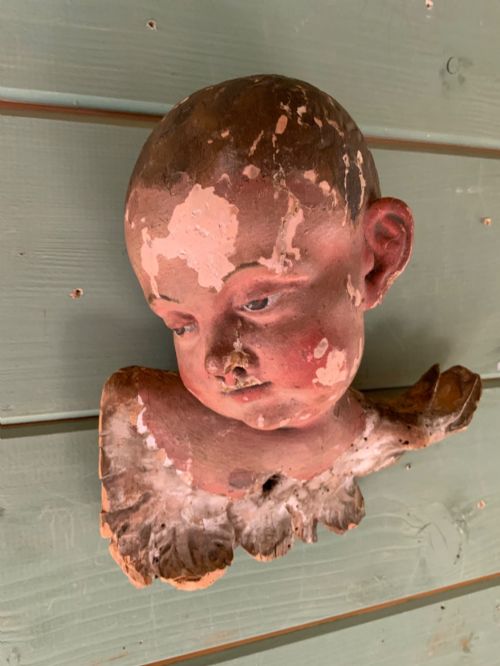
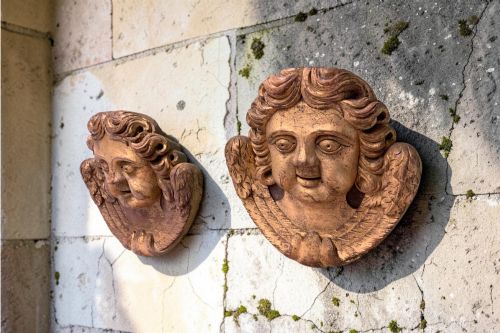
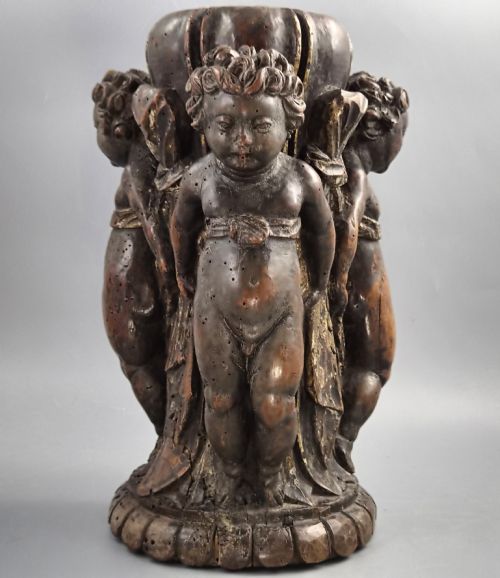
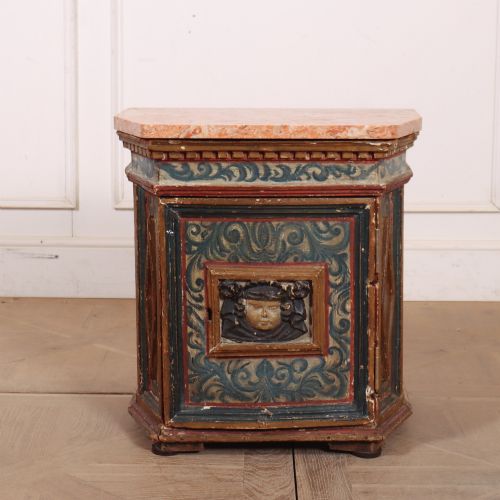
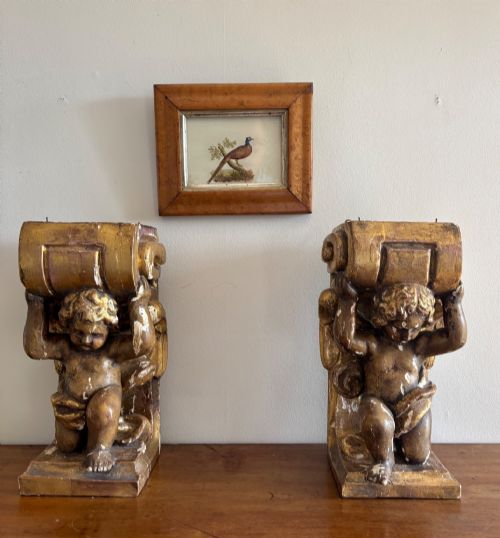
These antique baroque cherub carving pieces combine dramatic theatricality with intricate craftsmanship, bringing a rich sense of historical movement into a room.
Antique Baroque Cherub Carving
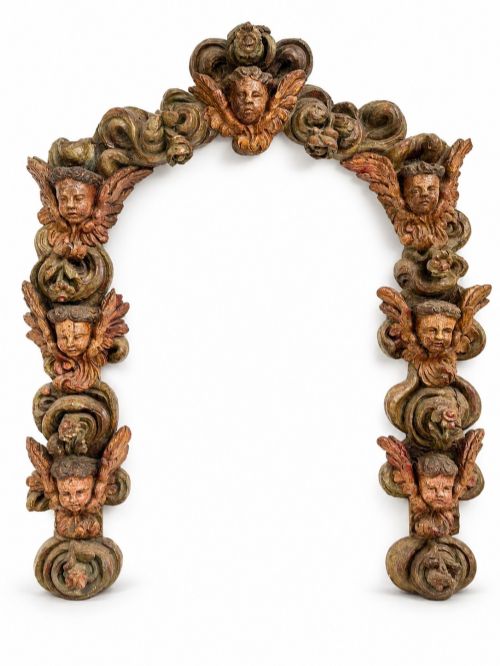
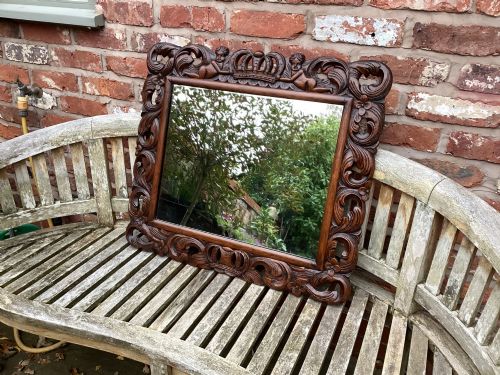
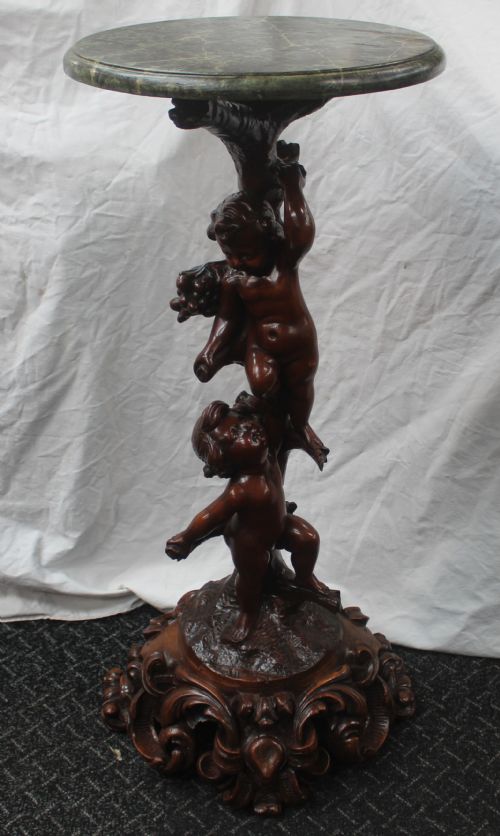
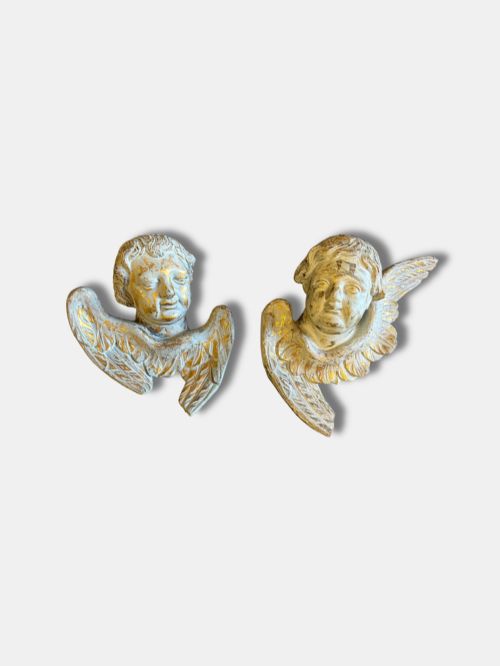
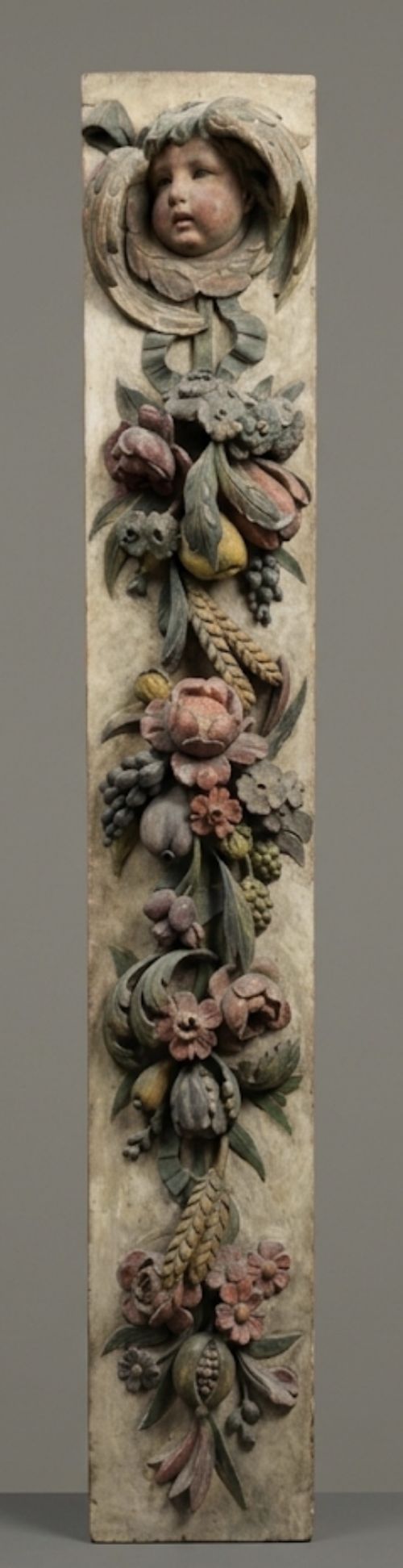
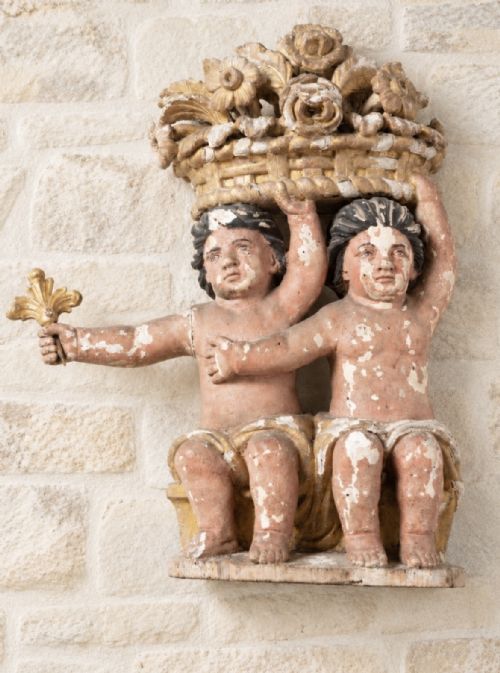
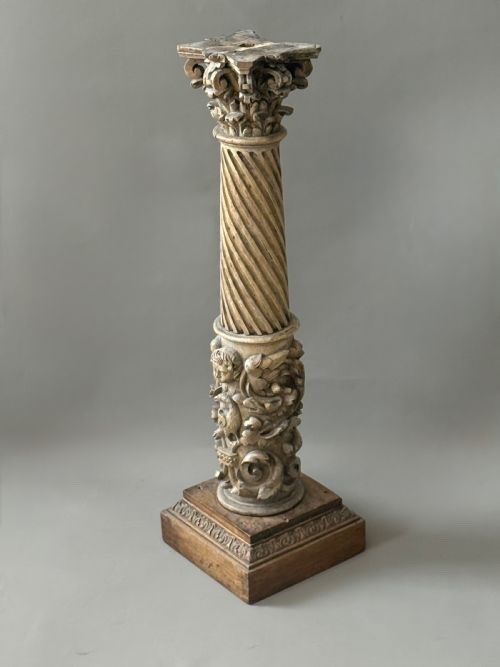
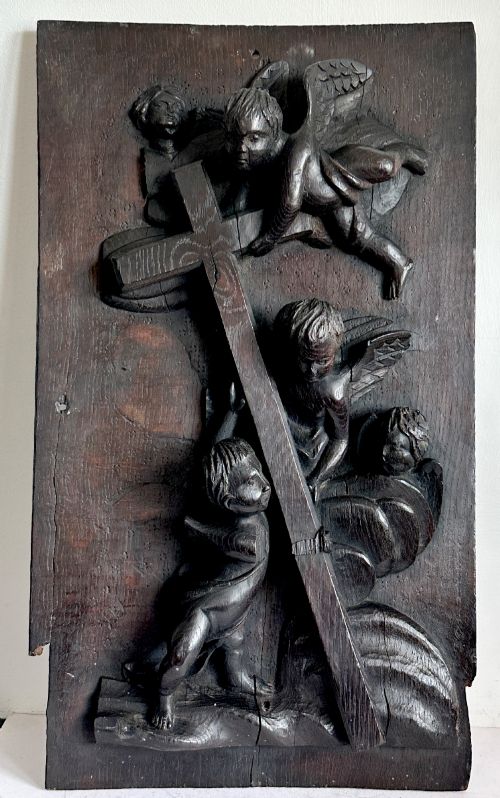
An antique baroque cherub carving typically manifests as winged putti, angel heads, or full sculptural figures integrated into wall sconces, architectural panels, mirrors, and torchiere bases. The aesthetic draws heavily from Italian and French traditions spanning from the seventeenth century through nineteenth-century revivals.
Buyers encountering this phrase will find a diverse array of forms, ranging from monumental oak overdoor panels and polychrome church fragments to giltwood wall brackets and console tables. These works frequently display the exaggerated motion, deep undercut foliage, and theatrical expressions characteristic of the baroque style.
The objects serve primarily as decorative architectural salvage or standalone sculptures, often retaining traces of their original polychrome paint, gesso, or gold leaf finishes. While many originate from continental ecclesiastical or domestic settings, their enduring appeal lies in the tactile warmth of carved timber and the dynamic presence of the figures.
How They Were Made
Artisans carved these figures predominantly from hardwoods like oak, walnut, and lime wood, utilising deep undercutting to create dramatic shadows and a strong sense of three-dimensional movement. The grain and density of the timber dictated the delicacy achievable in the wings and hair of the putti.
Many surfaces received layers of gesso followed by gold leaf or polychrome paint, adding vibrant colour and reflective brilliance to the carved wooden foundation. Gilding and pigment were applied by hand, sealing the wood and heightening the theatricality demanded by baroque taste.
Antique Baroque Cherub Carving Retail Price Guide 2026
Typical asking prices for baroque cherub carving among the pieces listed under this phrase on Sellingantiques today, from the lower quarter to the upper quarter. They describe what is for sale here now, not the wider market.
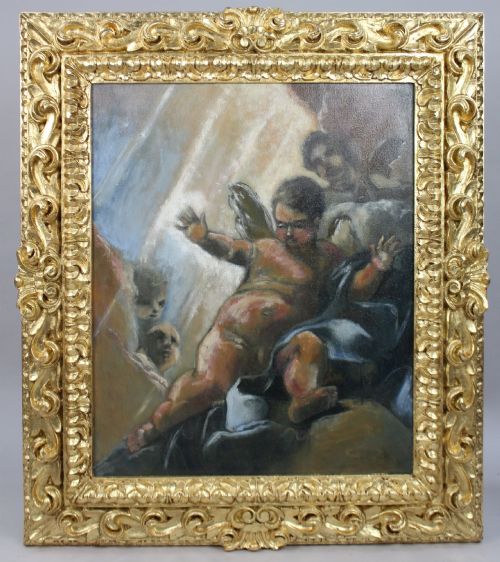
The inventory includes architectural salvage, wall mirrors, torcheres, candlesticks, and oil paintings set in carved giltwood frames.
What Varies in Quality
The preservation of original surface treatments, such as early polychrome pigments or untouched gold leaf beneath later patination, elevates an example significantly. Pieces retaining their original structural context, whether as part of an architectural pediment or an integrated panel, demonstrate superior artistic integrity.
Edward Pearce·Grinling Gibbons
The Antique Baroque Cherub Carving Glossary
- Putto
- A figure of a small human baby, frequently winged, depicted in classical and baroque art. These representations form the core subject matter for cherub carvings.
- Giltwood
- Timber that has been coated with gold leaf or gold dust over a prepared ground. This finish provides the bright, reflective surfaces seen on many baroque mirrors and brackets.
- Polychrome
- The practice of decorating architectural elements or sculptures in a variety of colours. Many surviving wooden panels and figures retain traces of these historic painted layers.
- Torchiere
- A tall stand or ornamental candlestick designed to hold a light source. Baroque examples frequently incorporate carved figures of putti supporting the central shaft.
- Gesso
- A paint mixture consisting of a binder mixed with chalk, gypsum, or pigment. It serves as a smooth base for gilding and painting on wooden carvings.
Antique Baroque Cherub Carving: Frequently Asked Questions
How were antique cherub carvings originally used?
These carvings functioned primarily as integral elements of domestic or ecclesiastical architecture, adorning church altars, overdoor panels, and grand staircases. They were designed to project authority, piety, and theatrical grandeur into sacred and secular spaces.
Over time, many of these architectural elements were salvaged and repurposed as standalone wall art, mirrors, or decorative brackets. Today, they continue to serve as focal points in interior decoration, bringing historical depth to contemporary rooms.
How can I tell a seventeenth-century carving from a nineteenth-century revival piece?
Distinguishing between original seventeenth-century work and nineteenth-century revival pieces requires close examination of tool marks, timber shrinkage, and surface wear. Early carvings often display hand-adze marks and significant natural oxidation in the grain of the oak or walnut.
Revival pieces, produced during nineteenth-century historicism, frequently exhibit more uniform machine assistance or different tool signatures combined with simulated wear. Evaluating the integration of the figure with its panel or support helps clarify the period of production.
What is the difference between gesso and polychrome finishes?
Gesso acts as a smooth preparation layer made from chalk and binder, applied to wood to receive gold leaf or fine paint. It creates a rigid, luminous surface suited to the reflective demands of baroque decor.
Polychrome refers strictly to the application of multiple distinct coloured pigments directly onto the carved wood or gesso. While gilding emphasises metallic brilliance, polychrome finishes render realistic skin tones, garments, and floral details.
How do I safely hang a heavy carved wooden panel?
Mounting heavy wooden architectural salvage requires identifying structural wall studs or utilising heavy-duty masonry anchors capable of supporting substantial weight. The dense hardwoods like oak and walnut demand professional hanging hardware secured directly into the load-bearing framework.
Because many carved panels and mirrors lack modern hanging points, bespoke metal brackets or concealed french cleats provide stable support without damaging the antique timber. Consulting a professional art installer ensures the piece remains secure.