




Ecclesiastical Wall Carving
Ecclesiastical wall carving brings tangible sacred history into a room through timber panels, cherubs and architectural fragments salvaged from old churches.
Ecclesiastical Wall Carving
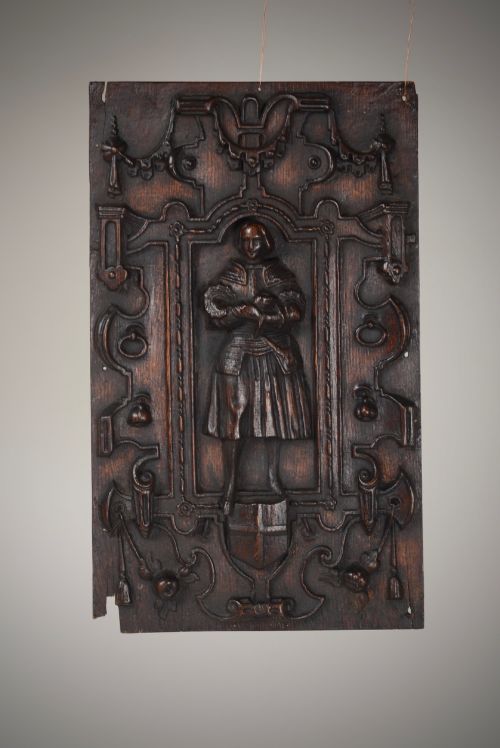
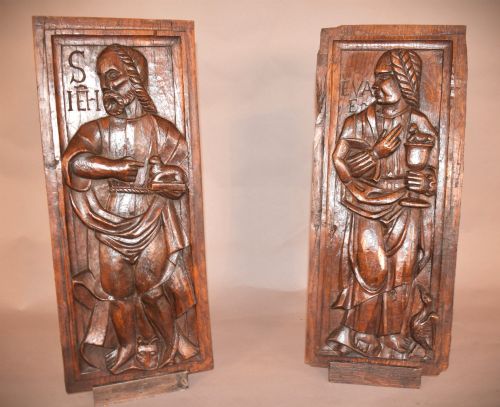
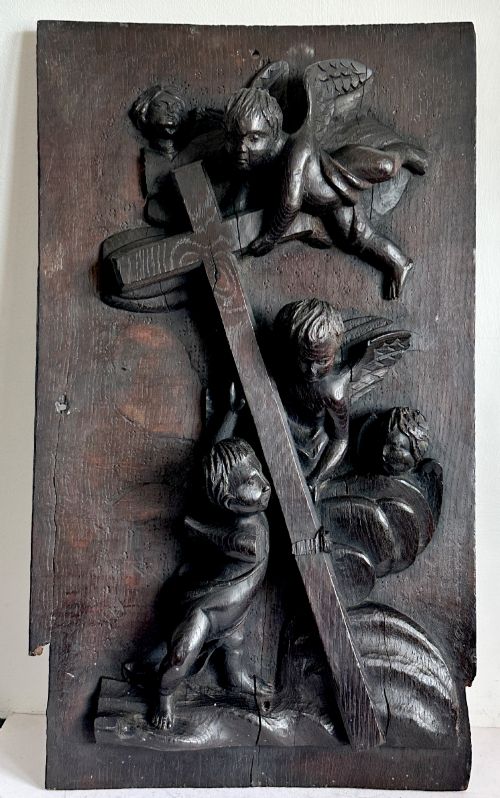
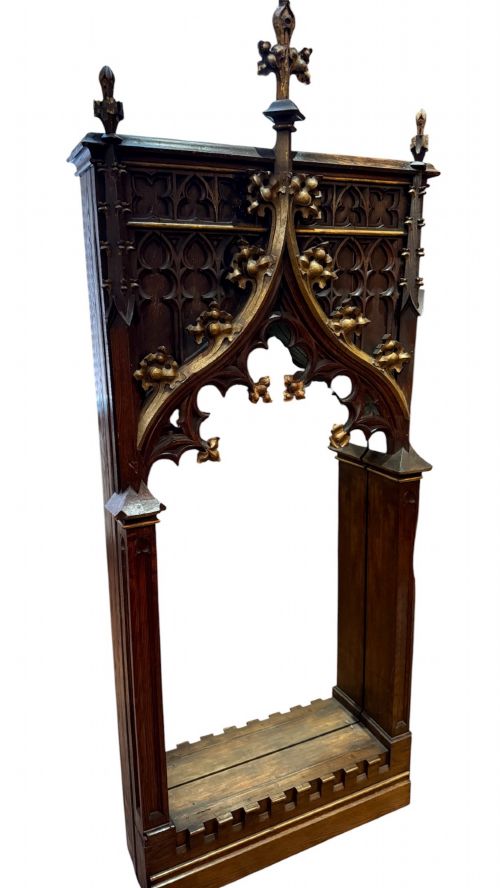
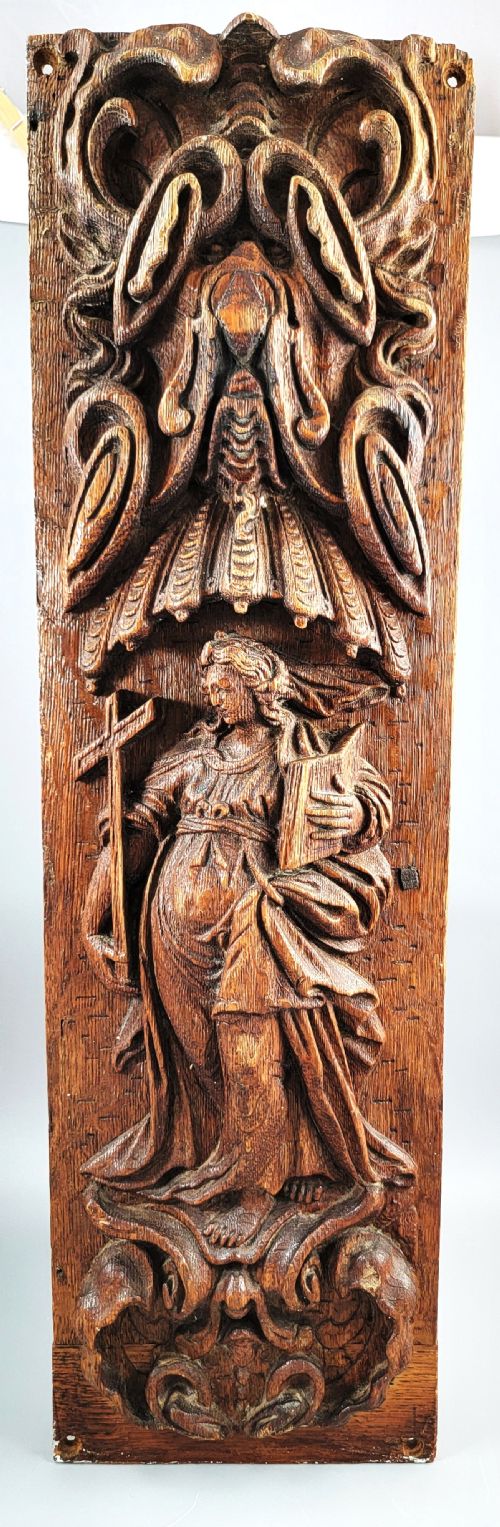
Ecclesiastical wall carving spans centuries of devotional art, ranging from medieval architectural fragments and panels depicting saints to baroque angels and later gothic revival mirrors. The selection relies heavily on oak panels, pine reliefs and carved wooden figures originally created for sacred interiors.
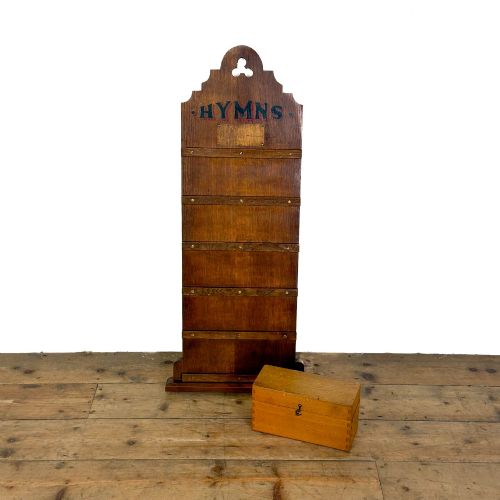
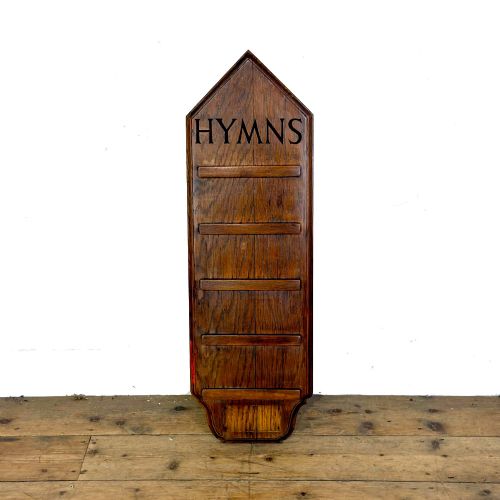
Buyers encounter diverse regional traditions across these pieces, including Flemish and German workshop output alongside Italian baroque panels and French brackets. Many of these items take the form of wall sculptures, architectural salvage, or hymn boards designed to mount directly onto domestic walls.
Materials and methods
Oak dominates the structural timber across these centuries, alongside pine and walnut used for more detailed figurative work. Carvers shaped these woods using hand chisels and gouges directly into solid blocks or constructed panels.
Surface finishes often incorporate gold leaf, gesso, and polychrome paint, adding layered colour and illumination to the carved wood figures and reliefs.
Angels and cherubs appear frequently across these centuries, keeping a watchful wooden eye on modern living rooms.
Assessment of quality
Depth of relief and anatomical understanding separate routine architectural fragments from masterworks of carving. The precision in rendering drapery folds and facial expressions dictates the artistic weight of an individual panel or figure.
The survival of original surface treatments, such as polychrome paint or gold leaf gilding, preserves the intended visual impact of the piece against later stripping or overpainting.
The Ecclesiastical Wall Carving Glossary
- Polychrome paint
- Decoration applied in several colours directly onto wood or gesso surfaces. This finish brought lifelike depth to religious figures and architectural carvings.
- Gesso
- A plaster-like mixture applied to wood surfaces to prepare them for gilding or painting. It creates a smooth base for gold leaf application.
- Tracery
- Openwork stone or wooden pattern forming the skeletal mullions in gothic windows or panels. It provides geometric structure to ecclesiastical design.
- Architectural salvage
- Building elements rescued from structures slated for demolition or alteration. These components often find new life as decorative wall art.
- Cherub
- A winged angelic being frequently depicted in baroque and 19th-century church woodcarvings. They appear as standalone heads or full figures in panels.
Ecclesiastical Wall Carving: Frequently Asked Questions
How do I hang a heavy oak wall carving?
Heavy oak wall carvings require robust fixings secured directly into masonry or wall studs to support their substantial weight safely.
Professional mirror plates or hidden french cleats provide stable hanging solutions for timber panels and architectural fragments without damaging the historic wood.
What periods do these carvings date from?
The available carvings stretch from pre-16th-century medieval fragments up to late 19th-century gothic revival and puginesque pieces.
Seventeenth-century oak panels and eighteenth-century baroque cherubs form a significant portion of the historical timeline represented here.
Can I place these pieces in any room?
These decorative items suit living spaces, studies, or hallways when mounted securely on sturdy walls as focal points.
Placement should avoid direct sunlight and rapid humidity fluctuations to protect ancient wood, gesso, and gold leaf finishes.
How do I care for antique carved wood?
Maintenance involves gentle dusting with a dry, soft brush to prevent dirt accumulation within the deep recesses of the carving.
Avoid liquid cleaners and wax polishes unless the finish is entirely stable, particularly on pieces retaining original polychrome paint.