


Gold Carved Angel
These gold carved angel pieces bring centuries of devotion and craftsmanship into a room, offering striking carved details and gleaming leaf finishes.
Gold Carved Angel
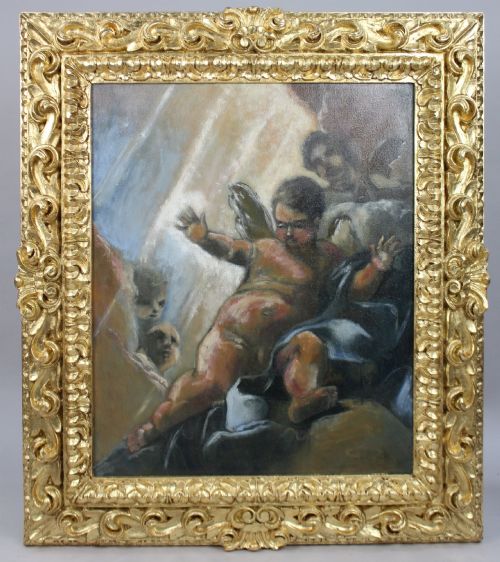
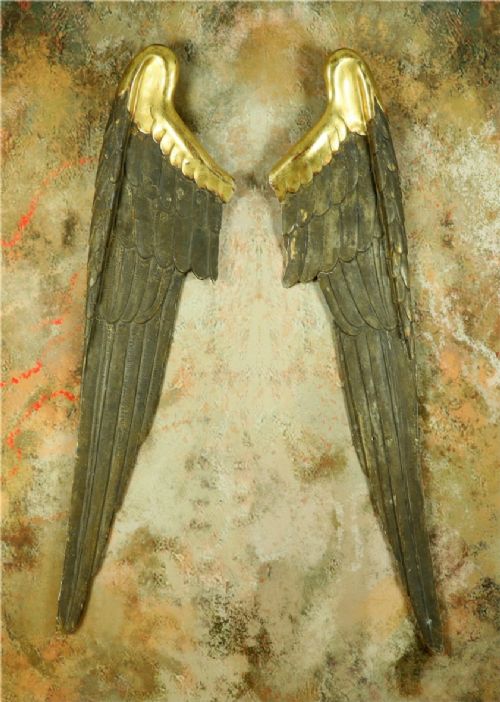
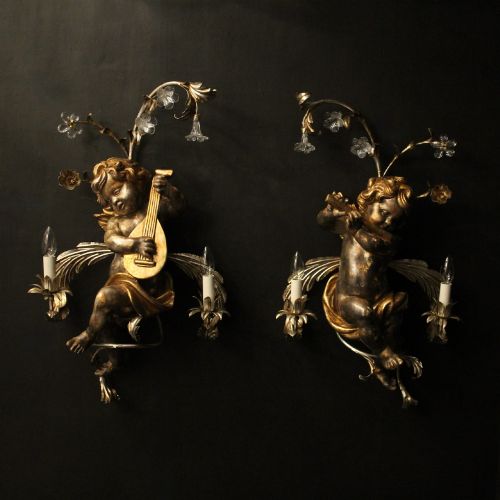
When you search for gold carved angel items, you encounter a diverse array of devotional and decorative works spanning multiple centuries. The selection encompasses wall sculptures, twin arm wall lights, altar pieces, oil paintings in giltwood frames, and jewellery pendants.
Italian and French origins dominate the inventory, drawing on Baroque, Renaissance, and Mannerist traditions. Pieces range from large wooden polychrome figures and gilt gesso wings to delicate gold and mother of pearl pendants.
How they were made
Wood serves as the primary substrate for the sculptural items, shaped by hand and finished with layers of gesso before the application of gold leaf or gilt paint. Polychrome pigments also appear on specific figures to add lifelike colour to drapery and flesh.
Framing and decorative elements utilise carved wood, while jewellery incorporates 18K white gold, yellow gold, seed pearls, diamonds, and hard stone cameos. Oil paintings employ canvas media set within elaborate carved giltwood frames.
Listings feature items spanning the eighteenth, nineteenth, and twentieth centuries, utilising carved wood, gold leaf, gesso, and oil on canvas.
What varies in quality
Depth and precision in the carving distinguish superior sculptural forms, particularly in the rendering of feathered wings, facial expressions, and cascading drapery. The crispness of the gesso preparation beneath the gold leaf dictates how well light plays across the surface.
Materials also define the tier of an object, moving from simpler giltwood treatments to sophisticated combinations of polychrome paint, Murano glass elements, or precious metals and gemstones in wearable pieces.
The Gold Carved Angel Glossary
- Giltwood
- Wood that has been treated with gold leaf or a gold-coloured metallic finish. This technique creates a luminous surface that catches candlelight or natural illumination.
- Gesso
- A plaster-like mixture applied to wood surfaces as a smooth base before gilding or painting. It allows carvers to achieve sharp relief details.
- Polychrome
- The practice of decorating sculptural works in multiple colours. It brings realism to carved wooden figures of angels and cherubs.
- Cameo
- A gemstone or shell carved in relief to depict a figure or scene. These are often set into rings or pendants surrounded by diamonds.
- Baroque
- An artistic style characterised by ornate detail, dramatic movement, and grand scale. Italian interpretations heavily influence many of these sculptural pieces.
Gold Carved Angel: Frequently Asked Questions
What periods do these pieces span?
The inventory covers items created from the eighteenth century through to the mid-twentieth century. Earlier examples reflect traditional religious craftsmanship, while later pieces often revive Renaissance and Baroque aesthetics.
Dates range across specific periods including the eighteenth century, the nineteenth century, and twentieth-century decades up to nineteen sixty.
How were wall lights and sculptures used?
Sculptures and cherub heads typically served devotional functions in domestic or institutional settings, often associated with altars. Wall lights integrated carved wooden figures with functional arms for illumination.
Paintings and framed panels functioned as decorative art pieces intended to elevate interior spaces with classical religious iconography.
What materials are most frequently encountered?
Wood forms the base for the vast majority of wall sculptures, wings, and architectural fragments. This is almost universally paired with gold leaf, gesso, or gilt paint to achieve a brilliant metallic sheen.
Paintings utilise oil on canvas, while smaller decorative objects and jewellery introduce mother of pearl, hard stone, and precious metals.