

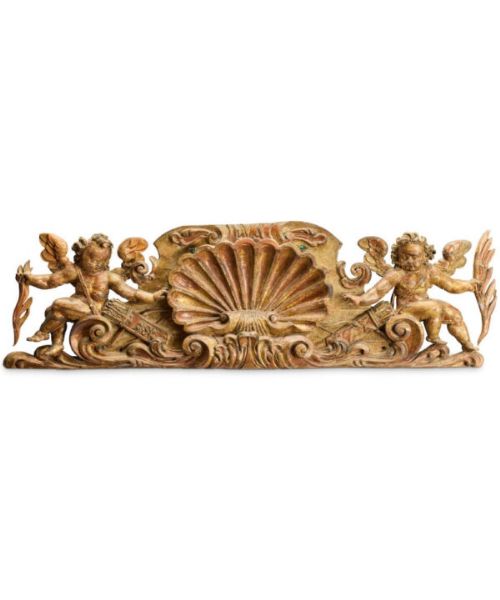


Gilt Wood Cherub
A gilt wood cherub brings spirited carved movement and rich metallic warmth to a room, appearing across mirrors, brackets, and sculptural fragments.
Gilt Wood Cherub
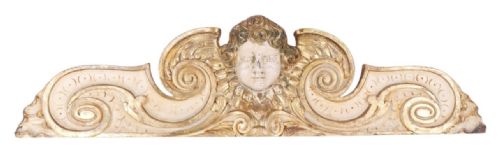
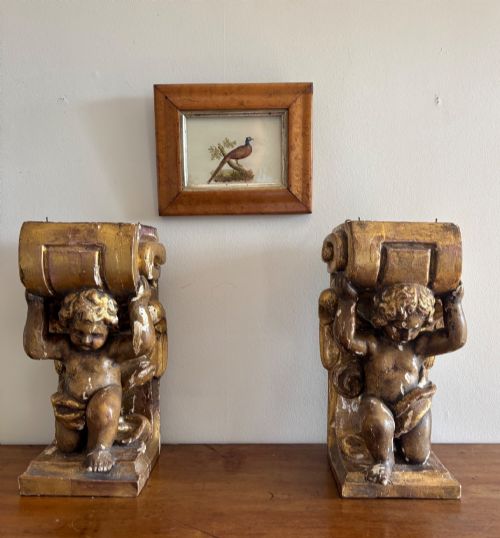
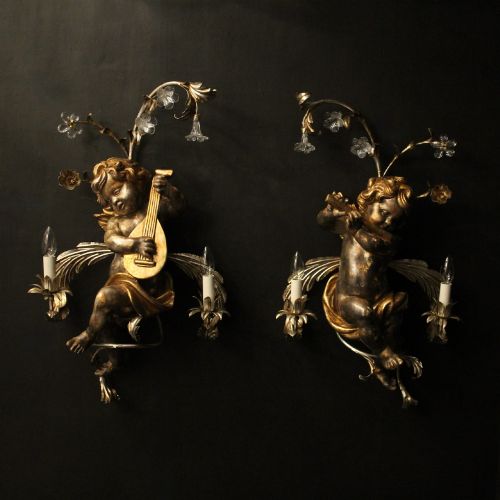
When searching for a gilt wood cherub, buyers encounter carved wooden figures and architectural ornaments finished in gold leaf or gesso, originating mostly from the seventeenth, eighteenth, and nineteenth centuries. These pieces appear as standalone sculptural carvings, wall brackets, and decorative crests upon French and Italian mirrors.
The domestic forms most frequently met on this page include wall sconces, architectural fragments, and framed mirrors where winged putti or cherub heads animate the timber frame. Originating from Baroque, Rococo, and nineteenth-century revival workshops, these items serve to anchor period interiors with traditional craftsmanship.
How they were made
Carvers typically shaped these figures from soft timbers such as limewood or pine, utilising chisels and gouges to define wings, curls, and facial expressions. The underlying wood provides a stable foundation for intricate undercut details.
Artisans applied layers of gesso over the carved wood to create a smooth surface for gilding. Gold leaf or silver leaf was then laid down and burnished, often complemented by painted or parcel-gilt highlights.
Some cherubs retain mysterious traces of old blue paint beneath their gold leaf, suggesting an earlier decorator changed their mind.
What varies in quality
The application and preservation of the original gilding dictate the visual impact of the piece. Finishes that retain their historic layering without heavy overpainting hold greater integrity for collectors.
Sir William Trotter·Grinling Gibbons
The Gilt Wood Cherub Glossary
- Giltwood
- Wood that has been coated with gold leaf. This finish creates a reflective metallic surface over the carved substrate.
- Gesso
- A plaster mixture applied to wood as a preparation for gilding. It fills minor grain imperfections and allows for delicate surface tooling.
- Putto
- A plump, often winged child figure found in classical art. These motifs frequently ornament Baroque mirrors and architectural brackets.
- Cartouche
- An ornamental tablet or panel frame, often with scrolled edges. They frequently surround or support carved cherub motifs.
Gilt Wood Cherub: Frequently Asked Questions
How do I clean a gilt wood cherub?
Dust the carved surfaces gently with a soft, dry brush to prevent accumulation. Avoid all liquid cleaners and chemical solvents, which can strip the historic gold leaf.
Keep the piece away from direct sunlight and damp environments to protect the fragile gesso and wood substrate from cracking or lifting.
Where should I hang a gilt wood cherub mirror?
Mount the mirror on a structurally sound wall using appropriate fixings for heavy timber frames. Positioning it away from direct heat sources prevents the wood from drying and warping over time.
Place the piece where ambient light can catch the gold leaf, enhancing the depth of the carved cherub details.
Are these pieces solid gold?
These items consist of carved wood or gesso covered with an extremely thin layer of gold leaf. The underlying material provides structural support while the leaf offers the appearance of solid gold.
Over the centuries, handling and wear may reveal patches of the reddish bole or white gesso beneath the metallic surface.
How can I tell the period?
Examine the tool marks left by the carver on the reverse and hidden areas of the wood. Hand-hewn marks and older fastening methods provide clues to the approximate age of the carving.
Compare the stylistic proportions, such as Baroque exuberance or nineteenth-century revival symmetry, with documented examples from similar workshops.