




Baroque Style Putto
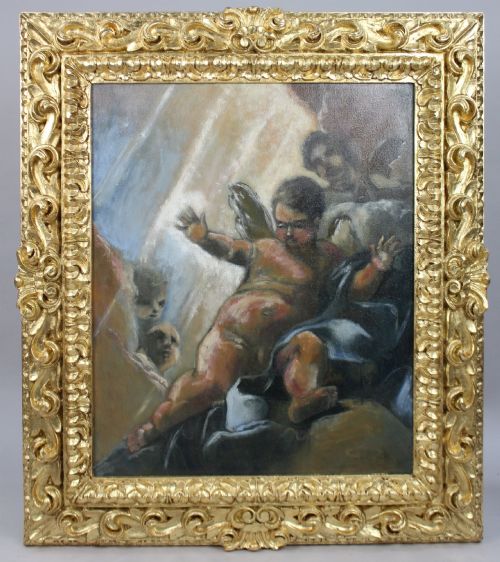
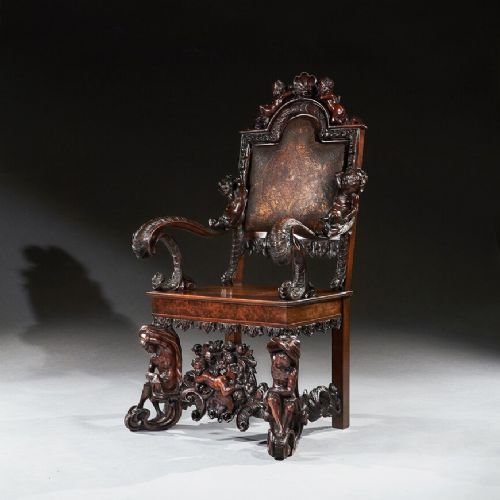
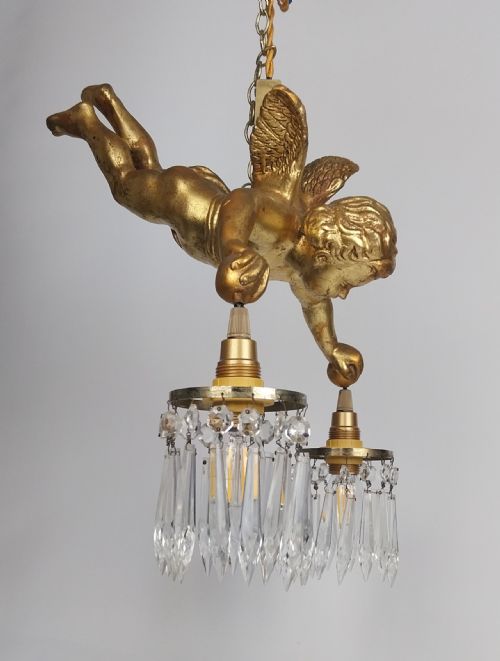
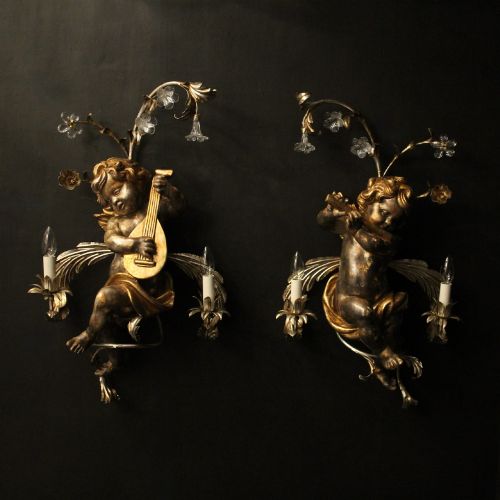
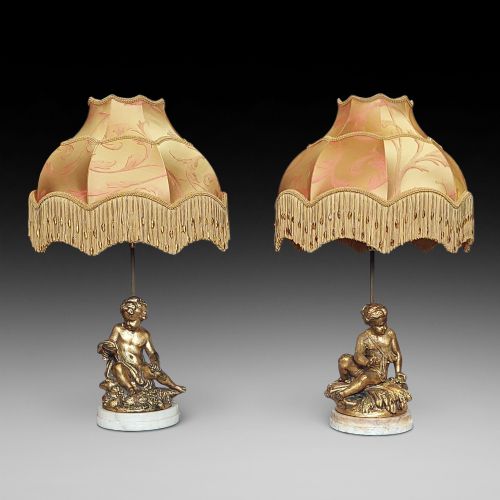
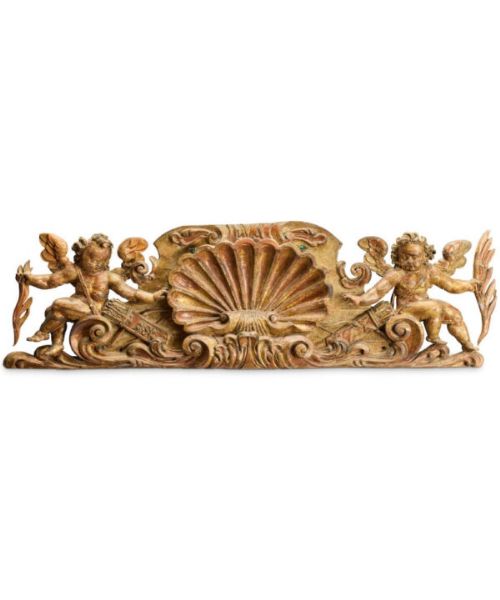
A baroque style putto brings sculptural drama to a room, offering carved wooden cherubs, gilded wall brackets and oil paintings.
Baroque Style Putto
When you search for baroque style putto, you encounter sculptural and painted representations of winged cherubs and infants rooted in seventeenth-century excess. These figures appear across wall mirrors, wall brackets, table lamps, oil paintings and console tables spanning multiple centuries.
The versions most commonly met on this page originate from nineteenth-century revivals and early twentieth-century interpretations. Carved wood, gesso and giltwood dominate the material forms, often reflecting Italian craftsmanship and classical design influences.
Materials and construction methods
Carved wood provides the structural foundation for many figures, utilising walnut, oak and other timbers shaped into dynamic poses. Artisans then applied layers of gesso to smooth the surfaces before adding gold leaf or gilt finish.
Oil paintings employ canvas stretched with traditional pigments, while metal components utilise ormolu and gilt metal casting. Alabaster and marble mounts frequently accompany lighting fixtures and console tables to provide stable bases.
Listings span periods from the seventeenth century through to the mid-twentieth century, dominated by nineteenth-century revivals in carved wood and giltwood.
Assessing quality in carved and painted figures
Depth of carving and anatomical definition separate superior figures from simpler production pieces. Skilled hands render muscle structure, hair texture and facial expression with natural fluidity rather than stiff symmetry.
The application of gilding and preparation layers dictates visual depth. Burnished gold leaf reflects light with rich warmth, whereas uniform modern paint finishes lack the subtle tonal variations accumulated over time.
Andrea Brustolon·Grinling Gibbons·Domenico Zampieri
The Baroque Style Putto Glossary
- Putto
- A figure of a small chubby infant, frequently winged, depicted in classical and baroque art. These figures often symbolise divine presence or playful affection.
- Giltwood
- Timber treated with gold leaf or gilding powder applied over a prepared gesso ground. This technique creates a luminous surface imitating solid gold.
- Ormolu
- Finely chased and gilt bronze used for decorative mounts, hardware and decorative objects. The method involves applying a mercury and gold amalgam to brass or bronze.
- Gesso
- A plaster mixture applied to wood surfaces to prepare them for painting or gilding. It provides a smooth ground that holds intricate relief details.
- Cheret
- A wall bracket or architectural support featuring sculptural ornamentation. These items project from vertical surfaces to display objects or illuminate spaces.
Baroque Style Putto: Frequently Asked Questions
What is a putto?
A putto is a representation of a small infant, often winged, derived from classical art and revived during the Renaissance and Baroque periods. These figures appear frequently in wood carvings, paintings and architectural ornaments.
In baroque design, putti add theatrical movement and emotional expression to furniture, mirrors and lighting fixtures.
How do I date a giltwood putto carving?
Dating relies on examining the underlying wood, the composition of the gesso ground and the wear patterns on the gilding. Earlier pieces often display hand- cut tool marks and older timber species beneath the finish.
Revival pieces from the nineteenth century typically utilise machine-sawn timber elements and brighter, more uniform gilding techniques.
Where were these pieces made?
The pieces originate predominantly from Italian workshops, reflecting strong regional traditions in wood carving and gilt decoration. Other examples emerge from wider European decorative arts movements.
Craftsmen in Florence and Venice produced many of the mirrors, brackets and wall lights seen in these listings.
How do I incorporate baroque putto pieces into modern interiors?
These sculptural objects serve as focal points when paired with clean architectural lines and neutral wall colours. Wall brackets and mirrors provide vertical interest without requiring floor space.
Table lamps and smaller carvings integrate easily onto side tables and mantelpieces to introduce warm metallic tones.