

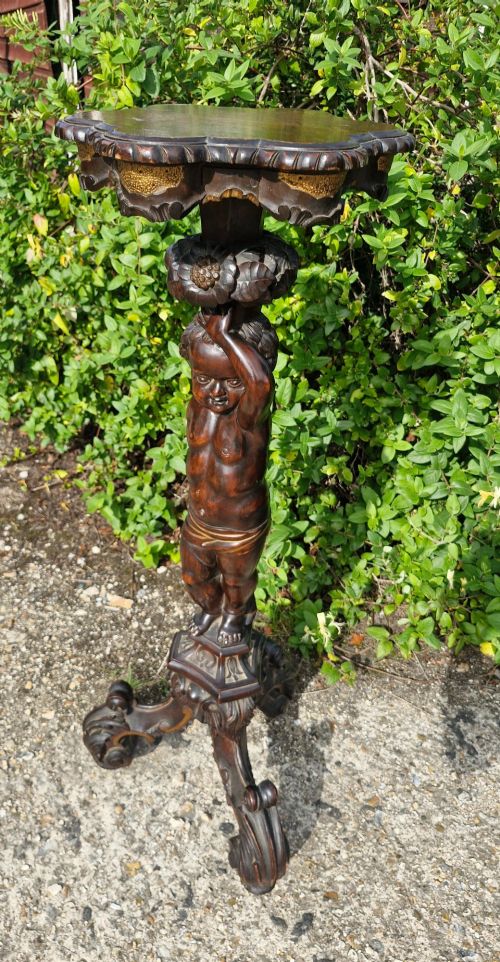
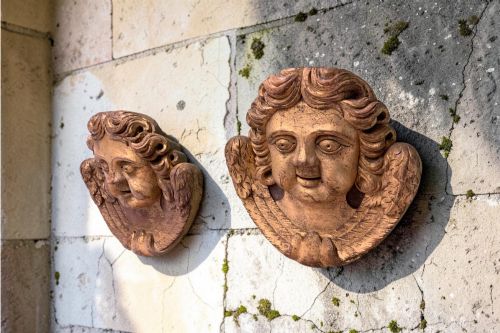
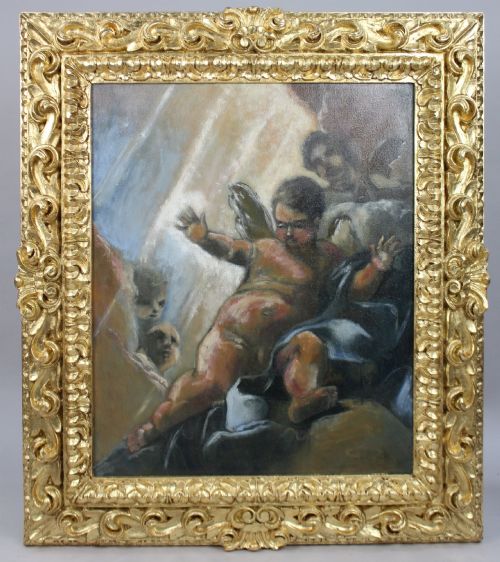
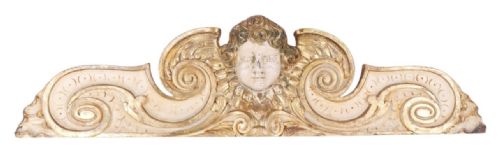
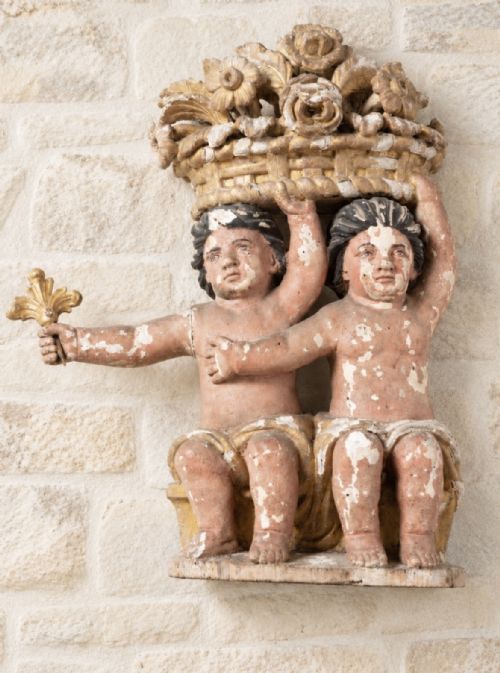


Gilded Wooden Putto
These gilded wooden putto carvings are winged celestial figures shaped from timber and finished in gold leaf, bringing historic continental charm to any interior.
Gilded Wooden Putto
A gilded wooden putto is a sculptural representation of a cherub or winged infant, rendered in carved timber and finished with gold leaf or gesso. When you search for gilded wooden putto, you encounter figures and panels originating primarily from the seventeenth, eighteenth, and nineteenth centuries. These sculptural works often reflect Baroque, Renaissance style, and Italian architectural traditions.
The objects take several distinct forms on this page, ranging from freestanding pairs of angels to wall panels, architectural salvage, and carved overdoor ornaments. You are most likely to meet nineteenth-century Italian examples, alongside earlier seventeenth and eighteenth-century fragments depicting cherub heads or putti resting on clouds. Some pieces combine carved wood with polychrome paint or oil on canvas elements.
Materials and construction methods
Carvers shaped these figures from solid timber, often employing gesso as a smooth preparatory layer before applying gold leaf or giltwood finishes. Many examples incorporate polychrome paint alongside the gilding, adding subtle colour to flesh tones, hair, and drapery.
Makers produced these carvings for architectural settings, including altars, wall brackets, and overdoors, which accounts for the flat backs and attachment points found on panels and wall sculptures.
Gilded Wooden Putto Retail Price Guide 2026
Typical asking prices for gilded wooden putto among the pieces listed under this phrase on Sellingantiques today, from the lower quarter to the upper quarter. They describe what is for sale here now, not the wider market.
Materials recorded across the inventory include carved wood, gold leaf, gesso, polychrome paint, and oil on canvas.
Assessing quality in carved putti
The artistic merit of a gilded wooden putto depends heavily on the liveliness and depth of the carving, particularly in the rendering of facial expressions, hair, and anatomical proportions. Finer examples display a confident command of form that brings movement and presence to the wooden figure.
The preservation of the original surface finish, whether gold leaf or polychrome paint, heavily influences the character of the piece. Surfaces that retain their historic gesso and gilding without heavy modern intervention maintain greater visual integrity.
The Gilded Wooden Putto Glossary
- Putto
- A representation of a chubby, wingless or winged infant, commonly found in Renaissance and Baroque art. These figures often appear singly or in pairs across architectural panels and wall sculptures.
- Giltwood
- Timber that has been coated with a thin layer of gold leaf or gold dust over a prepared ground. This technique creates a luminous surface that catches candlelight and natural illumination.
- Gesso
- A plaster mixture used as a smooth base for painting or gilding on wood. It provides the essential foundation for adhering gold leaf to carved timber surfaces.
- Baroque
- An ornate artistic style spanning the seventeenth and eighteenth centuries, characterised by dramatic movement and exuberant detail. Italian Baroque workshops produced many of the architectural panels and cherub carvings seen in these listings.
- Polychrome
- The practice of decorating architectural elements and sculptures in multiple colours. This finish frequently appears alongside gold leaf on historic wooden angels.
Gilded Wooden Putto: Frequently Asked Questions
What is a putto?
A putto is a sculptural depiction of a small winged infant or cherub, frequently integrated into European architecture and religious art.
Artists across the Baroque and Renaissance periods carved these figures to adorn altars, walls, and architectural panels.
How were these carvings used originally?
These wooden figures and panels served as architectural ornaments within European buildings and churches. They decorated altars, overdoors, wall brackets, and large decorative wall panels.
Many pieces formed part of larger decorative schemes, functioning as architectural salvage when removed from their original settings.
How do I date a wooden putto?
Dating relies on stylistic clues, tool marks, and the ageing of underlying materials like gesso and timber. Seventeenth and eighteenth-century examples often show distinct Baroque sculptural traits compared to later nineteenth-century revivals.
Examining the construction of the wood and the wear patterns on the gold leaf helps establish the age of the carving.
Where should I place a wall panel?
These carved wooden panels suit placement as focal points on living room or hallway walls. Their architectural origins mean they pair well with traditional interiors or act as contrasting decorative elements in modern spaces.
Secure mounting is essential given the solid timber construction and historic weight of these carved objects.