

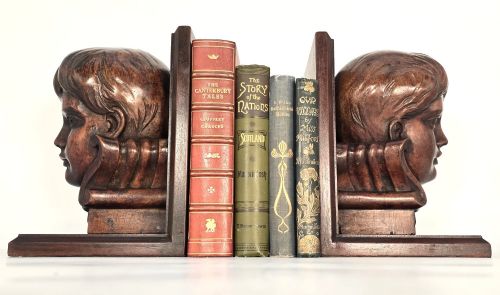
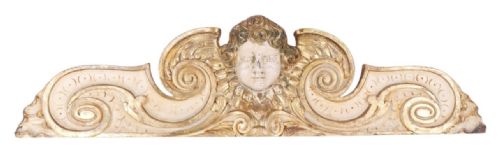
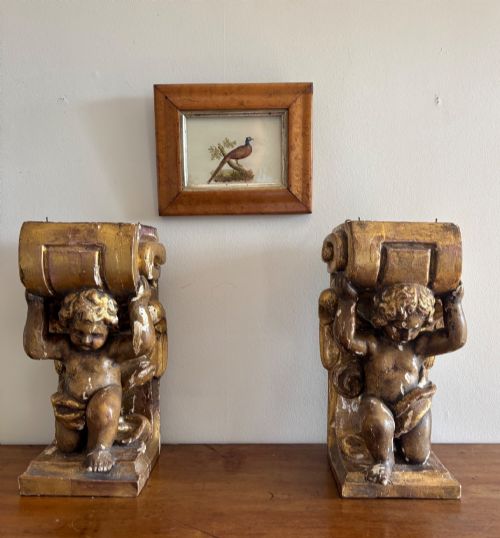
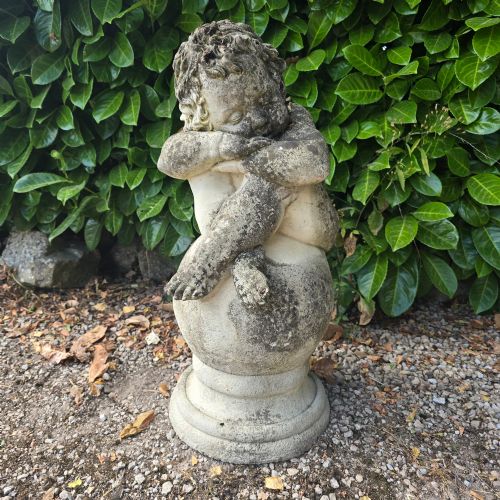
Antique Cherub Carving
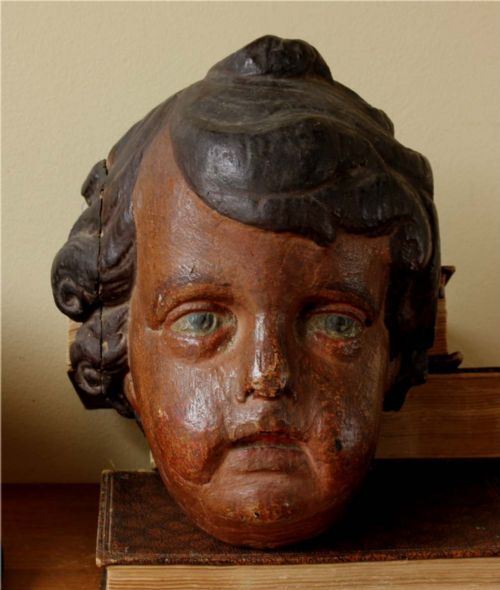
These antique cherub carving pieces bring centuries of classical sculpture and architectural ornament into domestic spaces.
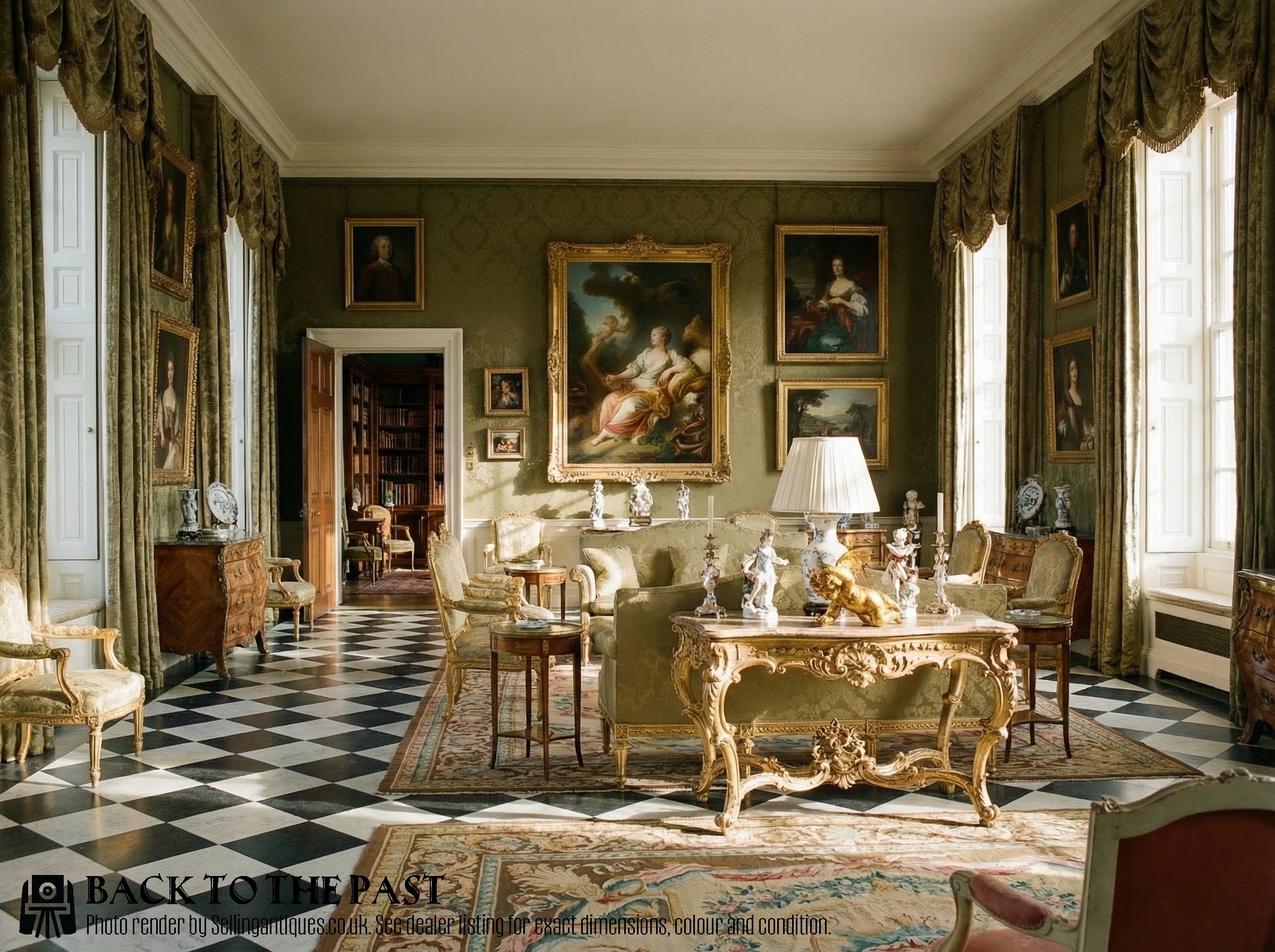
Antique Cherub Carving
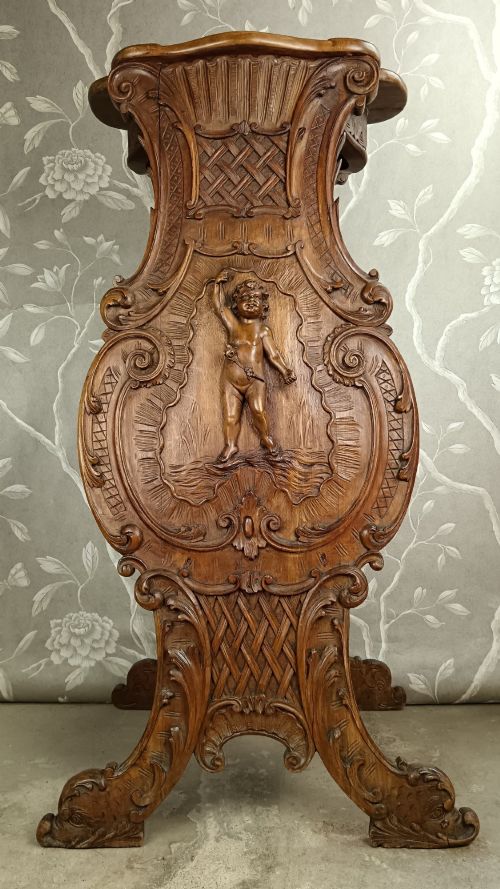
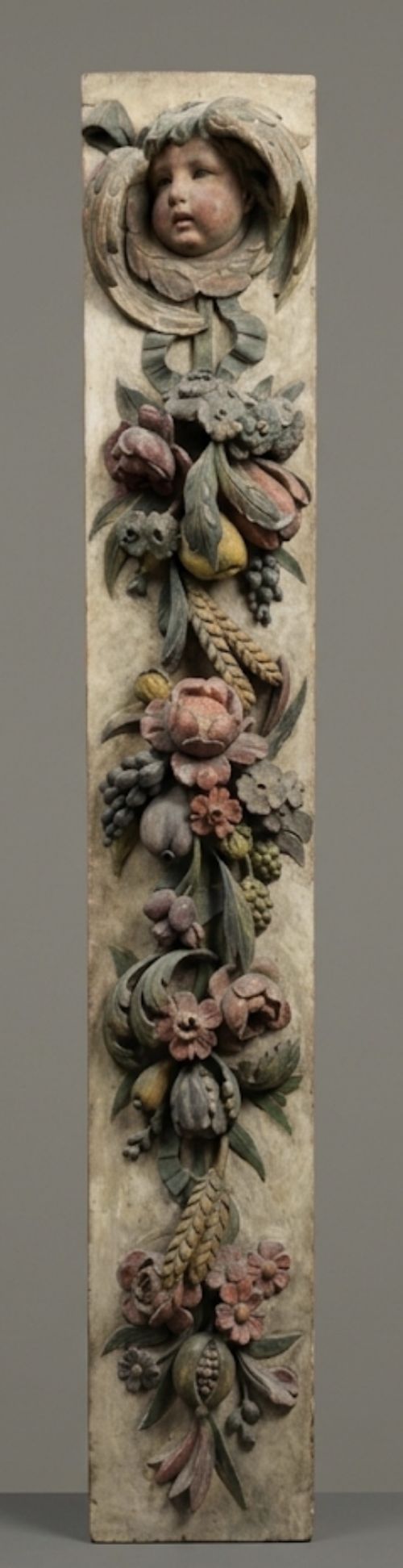
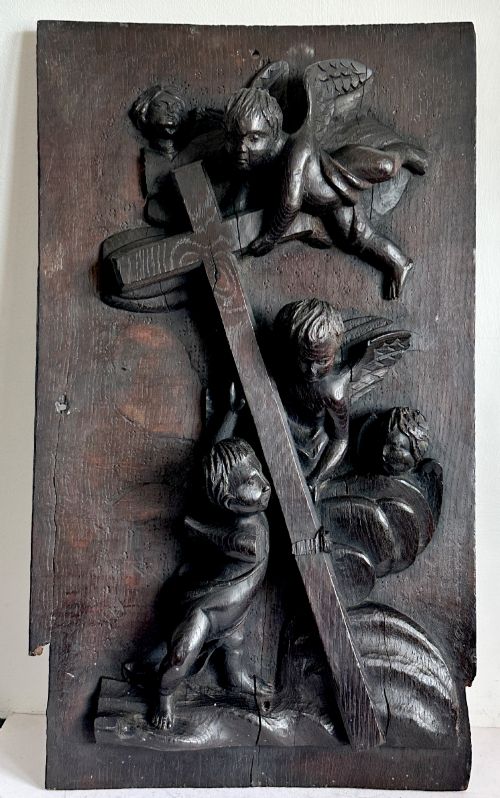
When you search for an antique cherub carving, you encounter winged putti, angels, and classical figures rendered in timber, stone, and gesso. These works originate primarily from continental European workshops across the seventeenth, eighteenth, and nineteenth centuries.
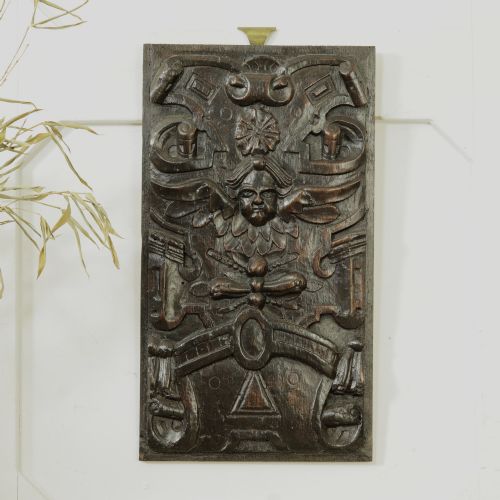
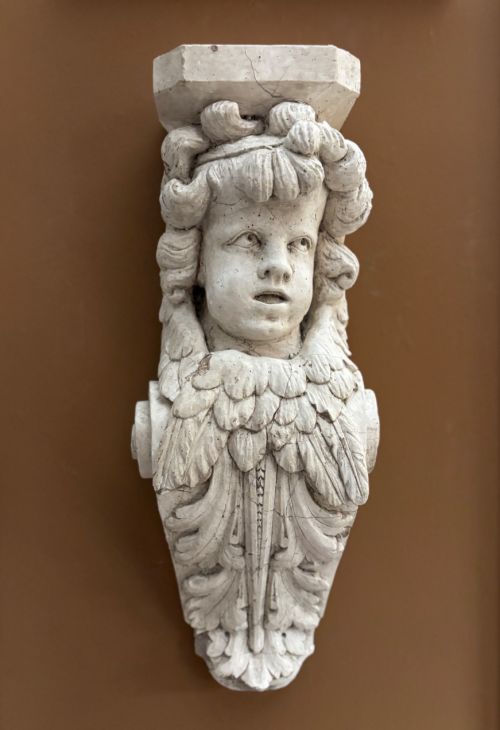
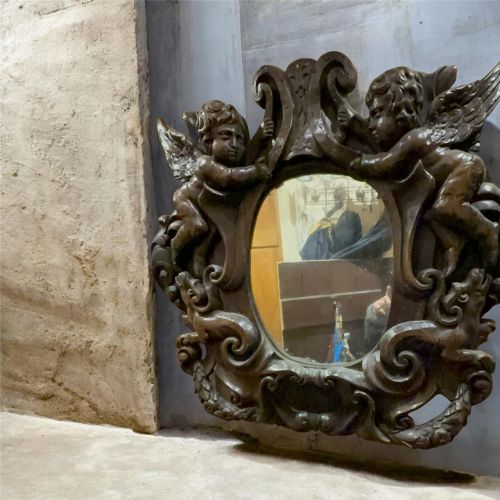
The most common forms on this page include architectural fragments, wall brackets, panels, and giltwood mirror frames. Many items began as parts of larger ecclesiastical or domestic schemes before finding independence as decorative objects.
Materials and construction methods
Carvers shaped these figures from dense hardwoods such as oak, walnut, fruitwood, and lime wood, utilising traditional gouges and chisels to achieve high relief. Timber works frequently display tool marks beneath historic layers of polychrome paint or clear wax finishes.
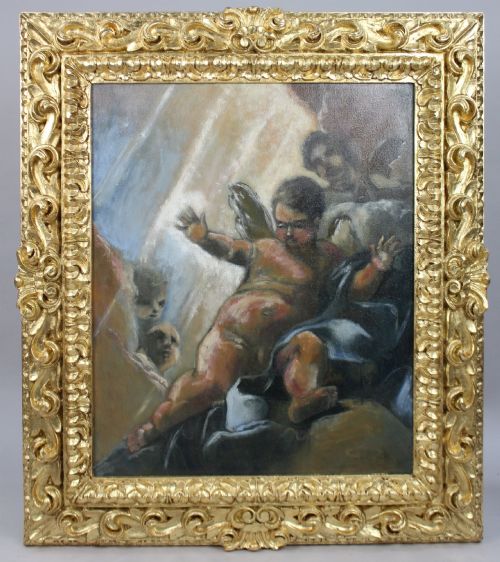
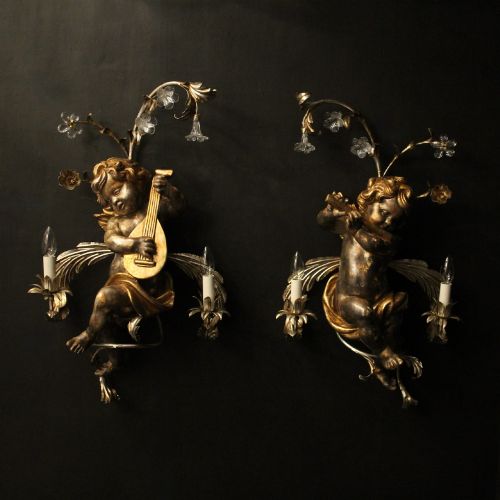
Giltwood pieces rely on a base of gesso applied to wood, which receives thin layers of gold leaf or metal leaf to create a reflective surface. Sculptural elements also emerge in cast stone, marble, and terracotta depending on the intended architectural context.
Several cherubs ride dolphins or blow cornucopias, proving that seventeenth-century carvers enjoyed marine mythology just as much as sacred art.
What distinguishes finer examples
The preservation of original surface treatments, such as early polychromy or untouched gold leaf, preserves the historical integrity of the piece. Later overpainting or aggressive cleaning diminishes the crispness of the original chisel work.
Grinling Gibbons·Antonio Canova
The Antique Cherub Carving Glossary
- Putto
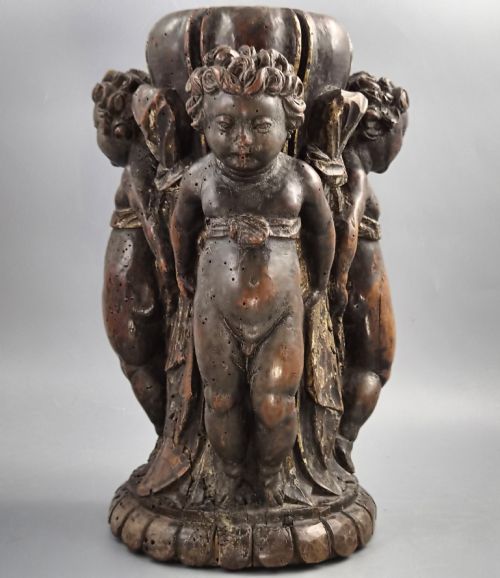
- A plump, often winged male child figure frequently depicted in classical and baroque art. These figures appear widely in Italian and Flemish wood carvings.
- Polychrome
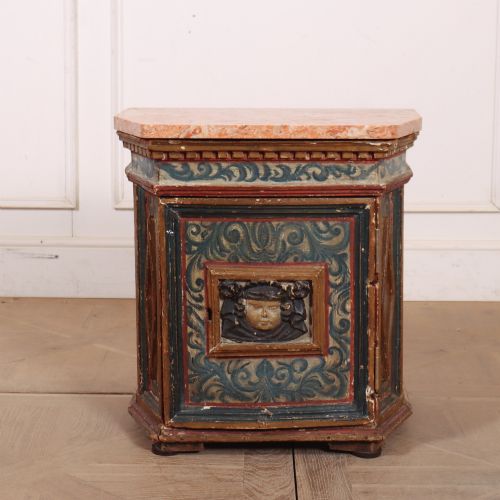
- Painted in several colours. This term describes wooden sculptures and panels retaining their historic painted and gilded surfaces.
- Torchiere
- A tall stand or ornamental candlestick base. Examples often incorporate carved figures or putti supporting the upper shaft.
- Giltwood
- Wood that has been coated with gold leaf or metal leaf over a prepared gesso ground. It defines many eighteenth and nineteenth-century mirror frames and wall lights.
- Applique
- An ornamental section applied to a larger surface. These wooden cherub heads and wings were often attached to furniture or architectural panel work.
Antique Cherub Carving: Frequently Asked Questions
How were antique cherub carvings used originally?
Makers integrated these carvings into larger architectural schemes, churches, and grand domestic interiors. They served as decorative accents on wall panels, overmantels, furniture, and ecclesiastical fittings.
Over time, many of these elements became detached from their original structures. They now survive as independent wall brackets, mirrors, and decorative sculptures.
What woods appear most often in these carvings?
Continental European carvers relied heavily on dense hardwoods like oak, walnut, and fruitwood. These timbers held fine detail without splitting under intricate chisel work.
Softer woods like lime wood also appear, particularly in German and Flemish pieces where deep, undercut relief work was required for wings and drapery.
How do I care for a giltwood cherub frame?
Giltwood surfaces require gentle dusting with a soft, dry brush to prevent the accumulation of grit. Moisture and modern cleaning agents damage the delicate gold leaf and underlying gesso.
Keep these pieces away from direct sunlight and strong heat sources to prevent the wood from drying out and the gesso from cracking.
How can I tell a seventeenth-century panel from a later revival piece?
Seventeenth-century panels display hand-riven timber grains, tool marks from primary gouges, and deep patination accumulated over centuries of handling. The wear patterns appear organic and consistent with age.
Revival pieces from the nineteenth century often show mechanical sawing marks on the reverse and crisper, more uniform surface finishes without genuine historic oxidation.