
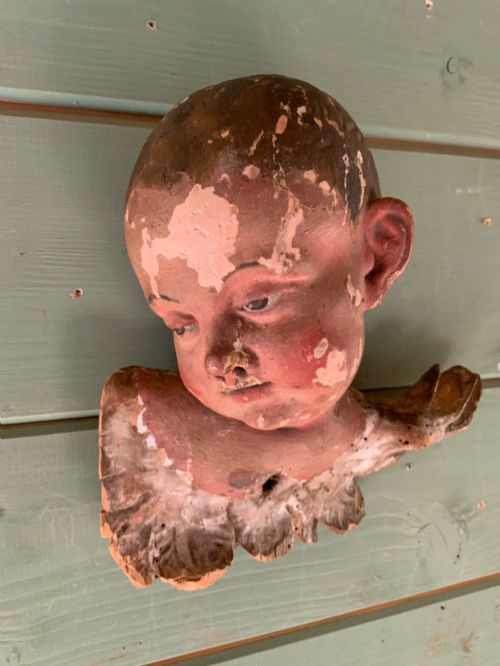
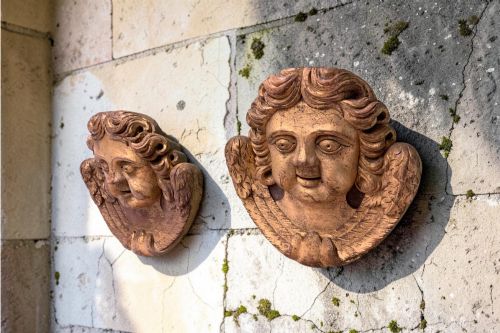

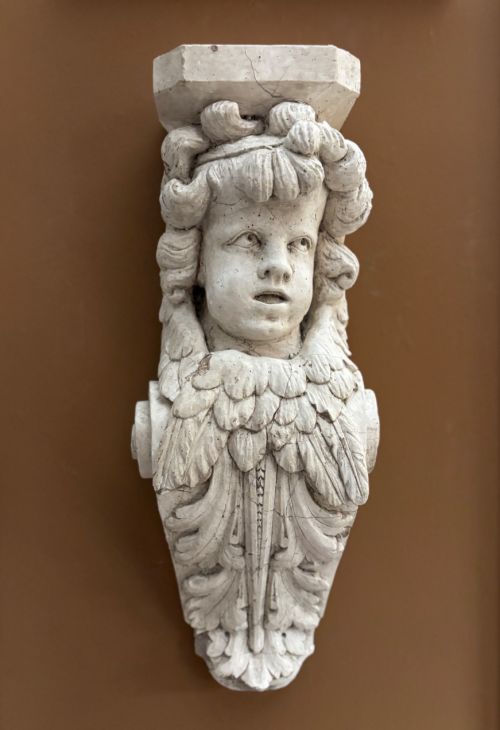
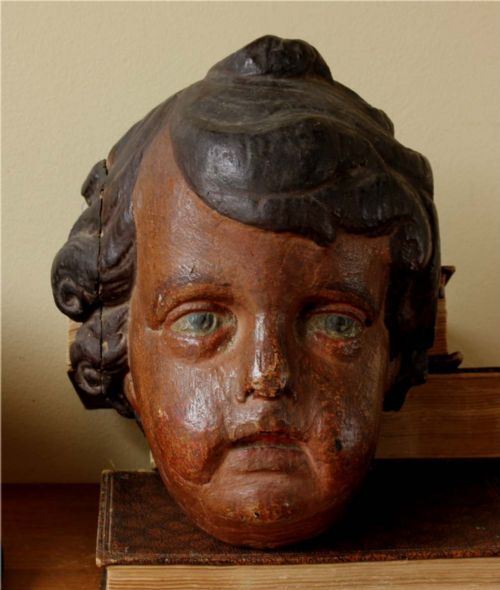


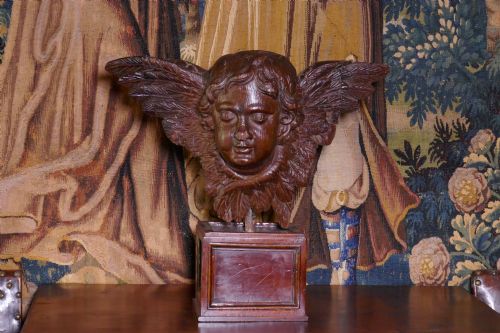

Antique Carved Angel Head
These antique carved angel head pieces bring centuries of ecclesiastical presence and carved timber skill directly into your interior.
Antique Carved Angel Head
An antique carved angel head search delivers wooden sculptures, wall brackets, corbels, and panels originating from the seventeenth, eighteenth, and nineteenth centuries. You are most likely to encounter carved wood and oak cherub heads reflecting Baroque and Victorian styles on this page.
The objects stem from architectural salvage and church furnishings, taking the form of standalone putti statues, wall plaques, and architectural supports. French and Italian ecclesiastical traditions dominate the origins of these carved wooden sculptures.
Carved cherub heads and putto wall corbels serve as both decorative wall ornaments and functional architectural brackets. The historical range spans from seventeen-hundred architectural elements to late-nineteenth-century Revival pieces.
How they were made
Many examples utilise surface treatments including polychrome paint, gesso, composition, and gold leaf or gold gilt applications. These decorative layers provided colour and luminous finishes suited to church interiors and chateau panelling.
Listings feature carved wood and oak pieces spanning the seventeenth, eighteenth, and nineteenth centuries.
What varies in quality
Sculptural depth and anatomical precision separate standard architectural fragments from finer artistic carvings. The finesse in rendering facial expressions, wings, and hair distinguishes regional workshop production from master ecclesiastical carving.
The preservation of original surface finishes such as polychrome pigment and gold leaf dictates the visual integrity of each piece. Intact historic gesso and gilding layers retain the authentic texture applied by period artisans.
The Antique Carved Angel Head Glossary
- Putto
- A representation of a naked cherubic infant, commonly found in Renaissance and Baroque art. These figures often appear as winged angelic heads in ecclesiastical wood carvings.
- Corbel
- A structural piece of stone, wood, or metal projecting from a wall to carry a weight. In these listings, wooden corbels take the form of carved cherub brackets.
- Polychrome
- The practice of decorating architectural elements or sculptures in a variety of colours. Historic church carvings frequently utilised painted pigments over wood.
- Gesso
- A paint mixture consisting of a neutral binder mixed with chalk, gypsum, or pigment. This substance prepared wooden surfaces for receiving gold leaf or further decoration.
- Giltwood
- Wood that has been thinly coated with gold leaf or gold paint. Baroque wall brackets and panels often display this luminous surface treatment.
Antique Carved Angel Head: Frequently Asked Questions
How do I hang a wall bracket?
Most antique carved wall brackets feature integrated hanging fixtures or flat rear surfaces suited for secure wall mounting. Ensure proper wall anchors support the weight of solid oak or timber structures.
Position the bracket at eye level or above to appreciate the downward gaze of the carved cherub head. Professional installation is recommended for heavier architectural salvage pieces.
Are these pieces from churches?
Many listings originate from ecclesiastical contexts, including French church carvings and Italian Baroque panels. These elements formed part of larger church altarpieces, choir stalls, or architectural panelling.
Other examples derive from domestic chateau interiors and Victorian revival furnishings designed to emulate ecclesiastical spaces.
How do I clean carved wood?
Dust the carved surfaces gently with a soft, dry brush to remove settled debris without disturbing fragile wood fibres. Avoid using liquid cleaners, moisture, or chemical polishes that can damage historic polychrome and gold leaf.
Maintaining stable indoor humidity levels prevents the timber from drying out or cracking over time.
What is the difference between a cherub and putto?
Art historical terminology often uses cherub and putto interchangeably, though putti specifically denote winged infant figures derived from classical mythology. In ecclesiastical wood carvings, both terms describe the angelic infant heads seen in seventeenth and eighteenth-century works.
Expression and surrounding ornamentation vary, but both figures share the classic winged infant iconography.