
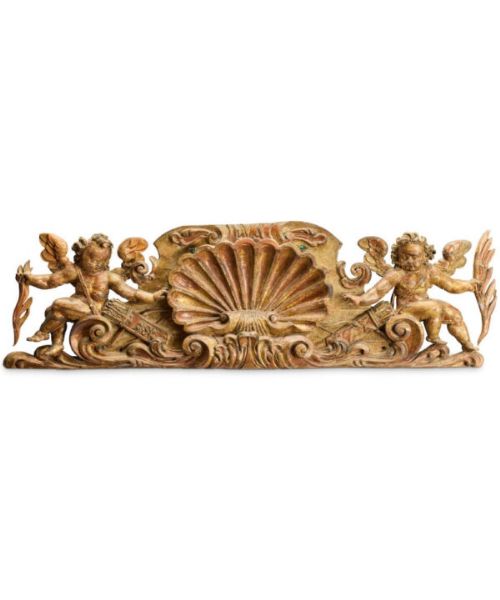



Carved Gilt Putto
A carved gilt putto brings classical exuberance to a room, offering sculptural form and gilded radiance through mirrors, brackets, and wall lights.
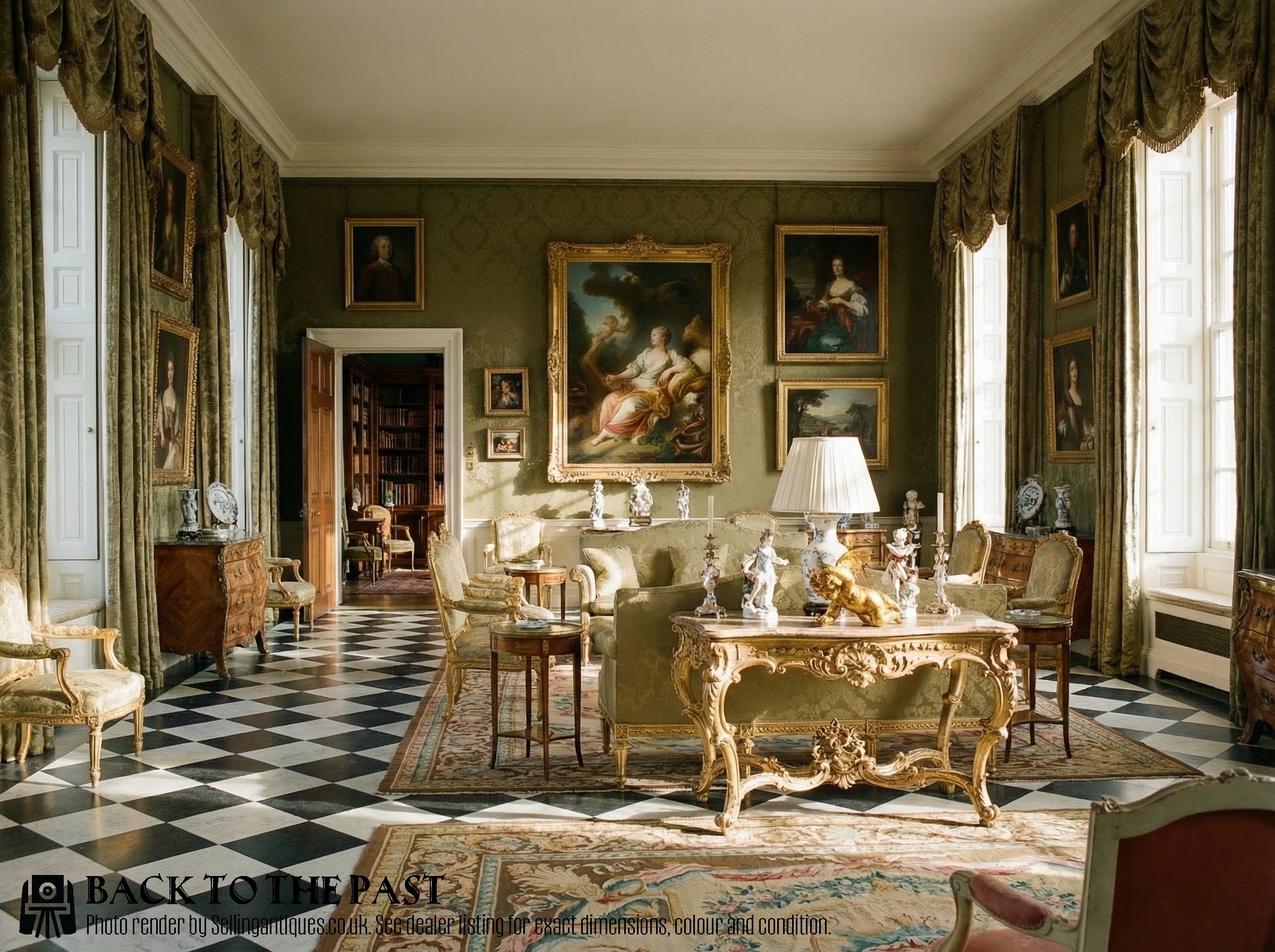
Carved Gilt Putto
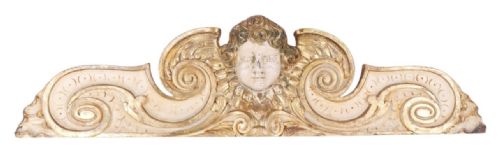
A carved gilt putto represents celestial child figures rendered in wood, plaster, and metal, often appearing as wingless cherubs or classical attendants on furnishings and architectural elements. When searching for a carved gilt putto, buyers encounter items ranging from standalone limewood sculptures and architectural pediments to elaborate wall brackets, mirrors, and candelabra.
Most pieces seen here originate from the nineteenth century, alongside seventeenth-century panels and twentieth-century revivals. Italian and French workshops dominate the selection, producing works that draw heavily on Baroque and Rococo traditions for domestic and architectural display.
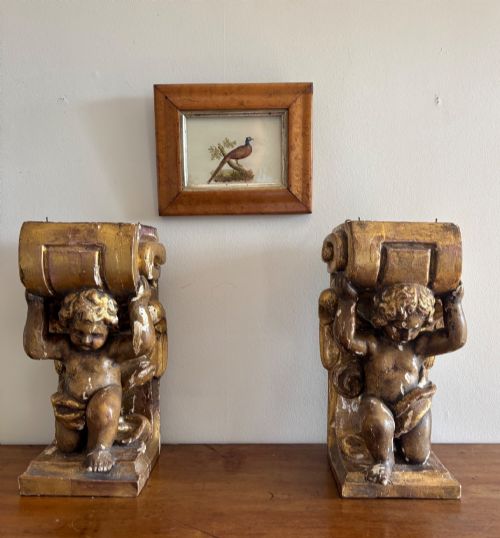
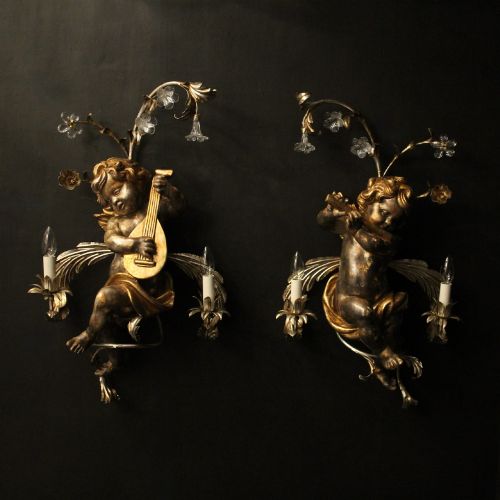
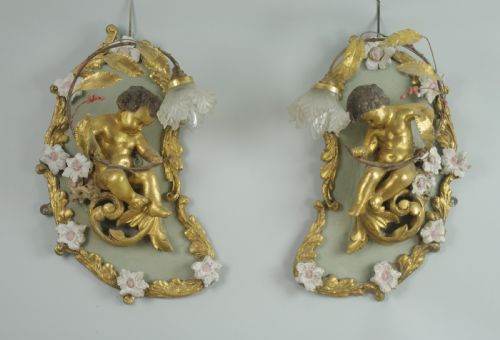
Forms vary from single console tables and clock mounts to matched pairs of wall lights and overmantel mirrors featuring prominent crestings. The figures function either as structural supports for shelves and mirrors or as purely decorative focal points within pediments and panels.
How they were made
Craftspeople applied gold leaf, silver giltwood, or parcel gilt finishes to create luminous surfaces that caught candlelight and daylight in grand interiors. Many items combine carved wooden elements with glass mirror plates, marble tops, or bronze components.
Workshops utilised traditional joinery and carving tools to build up architectural pediments, console tables, and wall brackets that integrated the figures directly into the functional design.
Listings span periods from the 17th century through the 1930s, featuring materials such as gesso, giltwood, porcelain, and bronze.
What varies in quality
Depth and crispness of the carving separate standard decorative items from superior works, particularly in the rendering of hair, wings, and facial expressions on cherub heads. Master carvers achieved anatomical conviction and fluid movement, whereas lesser pieces rely on mechanical repetition and heavier gesso layers that obscure the wood underneath.
The application and survival of the gilding dictate visual impact, with hand-laid gold leaf offering a warmer, richer luminosity than later metallic paints. Original pairings, intact surface patination, and the integrity of the underlying timber ground maintain historical and aesthetic value.
Grinling Gibbons
The Carved Gilt Putto Glossary
- Gesso
- A mixture of plaster of Paris and glue used as a base for gilding and paint on wooden objects. It provides a smooth ground that carvers could refine before applying gold leaf.
- Giltwood
- Timber that has been coated in gold leaf or metallic powder for decorative effect. This technique was widely utilised across Baroque and Rococo frames and furniture.
- Putto
- A plump, often winged child figure derived from classical art and frequently seen in Italian and French decorative works. They appear singly or in pairs supporting architectural elements.
- Overmantel mirror
- A large looking glass designed to hang directly above a fireplace mantel. Many examples feature carved putto crestings or elaborate gilded pediments.
- Parcel gilt
- A finish where only specific parts of an object are gilded while other areas show exposed wood or paint. This highlights particular carved details like hair or drapery.
- Pediment
- A triangular or decorative architectural crown above a door, mirror, or panel. Gilded putti often inhabit these spaces as sculptural centrepieces.
Carved Gilt Putto: Frequently Asked Questions
What is a putto?
A putto is a classical depiction of a small child, often winged, used extensively in European art and furniture decoration from the seventeenth century onward. These figures symbolise divine presence or playful classical themes.
In decorative items, they appear as sculptural supports on brackets, console tables, and mirror frames, modelled in carved wood, plaster, or bronze.
How were gilt surfaces finished?
Gilt surfaces were created by applying a fine layer of gesso over wood, smoothing it, and then laying down thin sheets of gold leaf or silver giltwood. This labour-intensive process produced a brilliant reflective finish.
Over time, the gold leaf develops a mellow patina that distinguishes genuine antique gilding from modern metallic paints.
Where were wall brackets placed?
Wall brackets featuring putti were typically positioned in formal reception rooms to support clocks, urns, or porcelain vases. Their decorative carving turned functional shelf supports into ornamental focal points.
Pairs of brackets were often hung symmetrically flanking a doorway, fireplace, or large mirror.
How do I date a gilt mirror?
Dating relies on combining evidence from the mirror glass, the timber construction, and the stylistic vocabulary of the frame, such as Baroque scrolls or Regency restraint. Eighteenth-century mirrors often show bevelled edges and hand-formed glass plates.
Frame construction methods, including the type of gesso preparation and joinery behind the putto cresting, also point to specific periods like the 1880s or earlier.
What is parcel gilding?
Parcel gilding involves applying gold leaf to specific raised portions of a carved object while leaving the surrounding wood or paint exposed. This technique creates contrast and highlights the carver's work.
It is commonly found on mirrors and architectural pediments from the eighteenth and nineteenth centuries.