
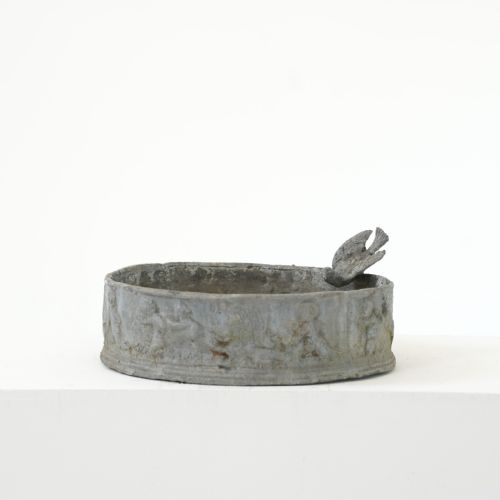


Victorian Cherub Figure
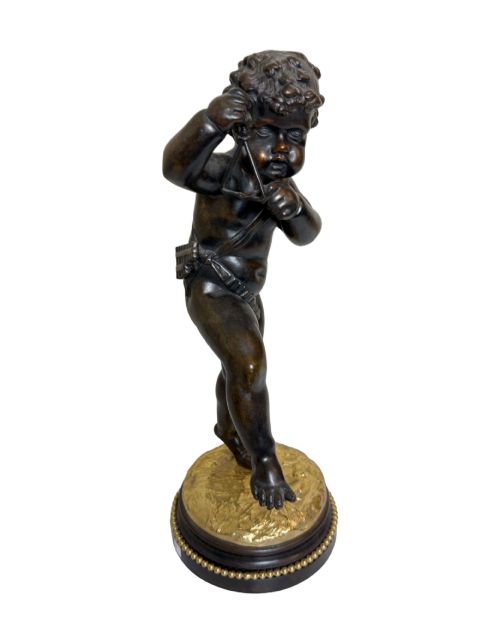
A victorian cherub figure brings nineteenth-century charm to a room, appearing as everything from a bronze desk statuette to a gilt-wood wall carving.
Victorian Cherub Figure
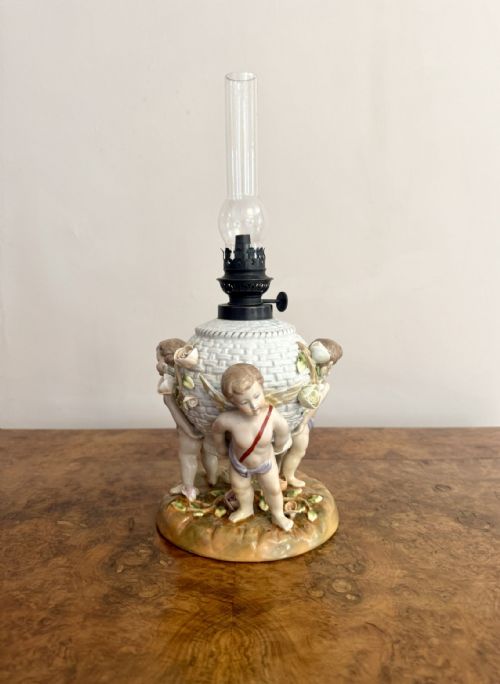
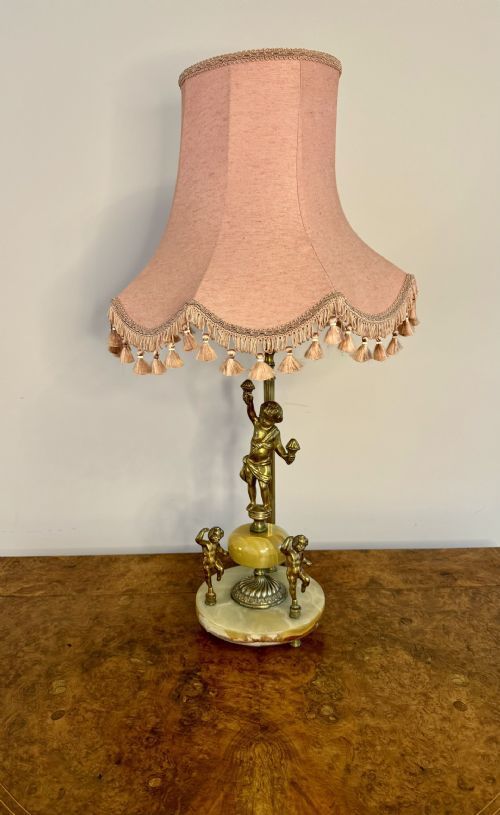
A victorian cherub figure encompasses sculptural objects depicting winged putti, amorini, and classical children across the nineteenth century. These pieces emerge in bronze, porcelain, marble, and carved wood, functioning as standalone statuettes, mantel clock mounts, lamps, and bookends.
The objects derive largely from French, Italian, and English workshops influenced by Rococo Revival and Neoclassical styles. Buyers frequently encounter mantel clocks, table lamps, and porcelain figurines where these winged figures form the primary decorative focus or support functional items.
Domestic display drove the creation of these figures, from grand tour bronzes on marble bases to porcelain groups and lead bird baths. The variety reflects the Victorian appetite for classical mythology translated into charming household ornamentation.
How they were made
Metal figures rely on the lost-wax casting technique for bronze and brass, producing sharp detail in hair, wings, and drapery that is subsequently hand-chased. Cast iron and lead examples utilise sand casting or heavy moulds to achieve durable garden and architectural forms.
Wood and stone sculptures depend on direct hand-carving in lime wood, alabaster, or marble, sometimes accented with gold leaf. Gilt bronze or ormolu mounts are joined mechanically to marble bases or clock housings using threaded screws and pins.
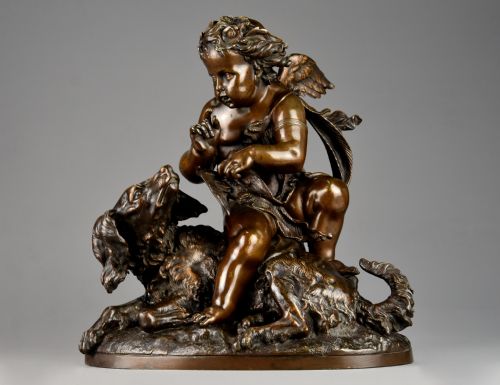
Several figures are caught mid-m mischief, gripping musical triangles, teasing dogs, or tumbling through bunches of grapes.
What varies in quality
The refinement of the chasing and finishing separates superior metal castings from coarser production work. Master founders preserve anatomical subtlety and crisp feather texture in wings, whereas lower-tier pieces lose definition in softer, blurred contours.
Porcelain quality rests on the delicacy of the modeling and the precision of the overglaze painting. Finer ceramic figures display subtle facial expressions and carefully applied gilding, while lesser examples exhibit heavy paint application and thick, clumsy mould seams.
Material integration dictates overall execution, seen in the solidity of marble bases and the proper mechanical fit of ormolu mounts. High-grade clocks and lamps incorporate substantial bronzes and quality movements rather than lightweight spelter and base metals.
F Marti·Louis Moreau·Aug. Moreau
The Victorian Cherub Figure Glossary
- Putto
- A plump, naked male child depicted in classical art, often winged. They appear frequently in Renaissance Revival and Rococo decorative schemes.
- Ormolu
- Finely ground high-carat gold applied to a bronze base using mercury amalgamation. This technique creates a rich golden finish on nineteenth-century clock mounts and decorative fittings.
- Spelter
- A zinc alloy used as a cheaper substitute for bronze in nineteenth-century figures. It is softer and lighter than bronze, often painted to resemble other metals.
- Majolica
- A type of earthenware coated with an opaque tin glaze and painted with metallic oxide colours. Minton popularised this vibrant ceramic technique during the Victorian period.
- Grand Tour
- The traditional trip of Europe undertaken by upper-class young men of the eighteenth and nineteenth centuries. Souvenirs included small bronzes and alabaster sculptures of classical subjects.
Victorian Cherub Figure: Frequently Asked Questions
What is the difference between a cherub and a putto?
Art historical convention separates biblical cherubim from secular putti, though nineteenth-century makers used the terms interchangeably. Putti represent mythological attendants of love and wine, typically shown as mischievous children.
In practical antique terms, both describe the winged or unwinged child figures found on clocks, lamps, and decorative bronzes from this era.
Were these figures meant for gardens or interiors?
Victorian cherub figures served both domestic and outdoor settings depending on their material. Bronze, porcelain, and marble versions functioned as interior table ornaments, mantel clock components, and desk accessories.
Heavier items cast in lead or iron, such as planters and bird baths, were designed to withstand outdoor placement in gardens and courtyards.
How do I identify a bronze figure from a spelter one?
Bronze possesses greater weight, a resonant metallic ring when tapped gently, and a warm tone beneath its patina. Spelter feels lighter, softer, and often shows grey metal beneath chips in the painted surface.
Magnification can also reveal the sharper chasing lines characteristic of true bronze casting compared to the softer edges of zinc-alloy substitutes.
How should I clean porcelain cherub figures?
Dust porcelain figures gently with a soft dry brush to prevent damage to delicate fingers, wings, and applied floral elements. Avoid abrasive cleaners, harsh chemicals, or soaking in water, particularly on pieces with overglaze enamel or gold leaf decoration.
If washing is necessary, use a damp cotton swab with mild soap, testing a small hidden area first.