


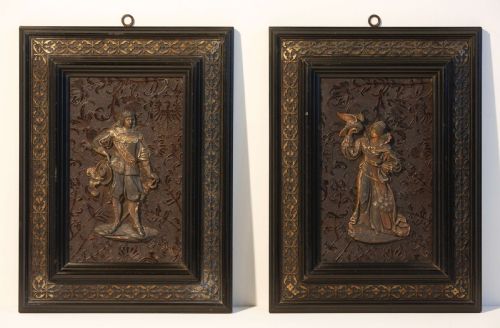


Gilded Wall Sculpture
These gilded wall sculpture pieces bring carved timber and cast metal relief into interiors with enduring decorative presence.
Gilded Wall Sculpture
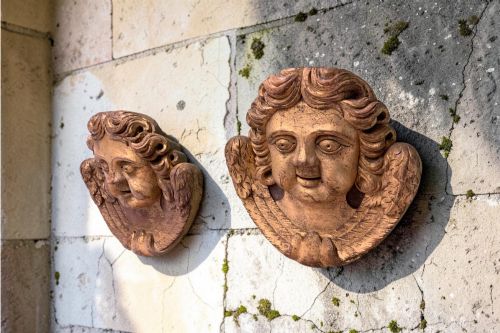
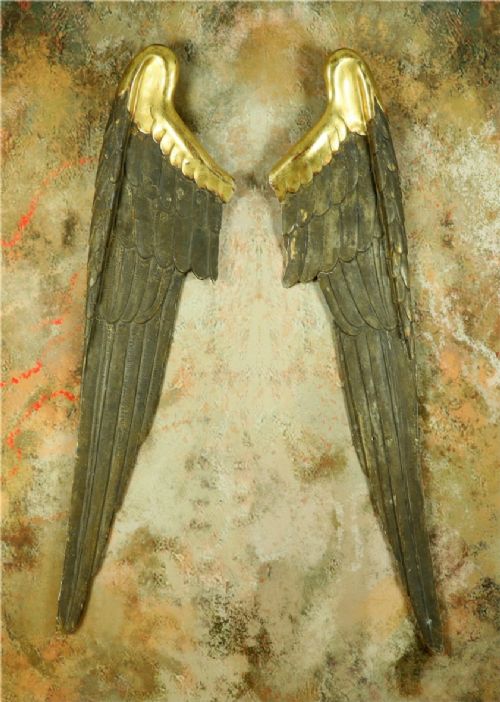
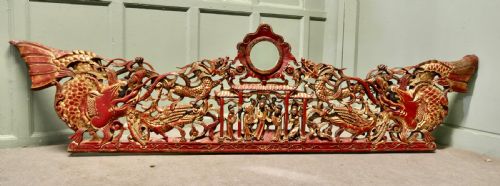
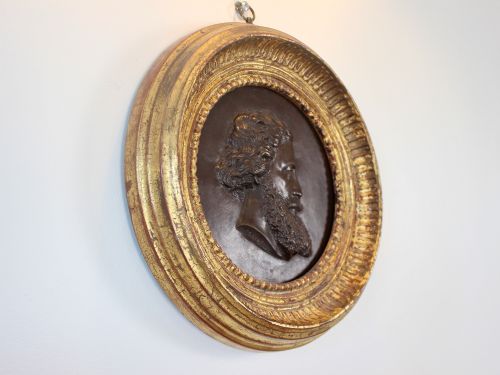
When you search for gilded wall sculpture, you encounter a varied collection of timber carvings, metal reliefs, and architectural ornaments designed for display on vertical surfaces. The selection ranges from carved wood angel wings and altar putti to bronze portrait plaques and large temple pediments, reflecting diverse stylistic influences from the eighteenth and nineteenth centuries.
The pieces you are most likely to meet on this page span the Victorian era, the nineteenth century generally, and the eighteenth century. They appear in forms such as wall plaques, carved cherubs, overmantel mirrors, and relief tableaus, drawing on Baroque Revival, Chinoiserie, Italian Baroque, and French eighteenth-century traditions.
Originating across European and oriental workshops, these works demonstrate how artisans adapted religious and decorative motifs for domestic interiors. Whether you encounter a pair of carved wooden angels or a gilt relief tableau of fighting men, each object serves as a tangible record of historic craftsmanship.
How they were made
The construction of these works relies fundamentally on carved wood, gesso, and cast metals, finished with gold leaf or polychrome paint. Wood carvers shaped timber bases, frequently applying layers of gesso to smooth the surface before laying down thin sheets of gold leaf to achieve a luminous metallic sheen.
Gilded Wall Sculpture Retail Price Guide 2026
Typical asking prices for gilded wall sculpture among the pieces listed under this phrase on Sellingantiques today, from the lower quarter to the upper quarter. They describe what is for sale here now, not the wider market.
Listings feature nineteenth-century and eighteenth-century objects in materials including carved wood, gesso, bronze, and gold leaf.
What varies in quality
The quality of a gilded wall sculpture rests in the depth and vitality of the carving or casting, alongside the integrity of the surface finish. Works featuring crisp articulation in the timber or metal display a superior command of form, whereas simpler or more worn examples exhibit softened details and heavy past repairs.
The application of gold leaf and gesso dictates much of the visual character. Finer pieces retain harmonious layers of gilding that interact naturally with light, while lesser items show intrusive overpainting or extensive losses to the underlying preparation layers.
Mainfroy
The Gilded Wall Sculpture Glossary
- Giltwood
- Timber that has been coated in gold leaf or gold paint for decorative effect. This finish defines many historic frames, mirrors, and carved ornaments.
- Gesso
- A plaster-like mixture applied to wood surfaces as a preparation for gilding or painting. It provides a smooth base that can be built up and carved in relief.
- Putti
- Representations of plump, winged infants, frequently appearing as cherubs in religious or decorative art from the Baroque period onwards. They are common subjects in carved wood and gilt reliefs.
- Pediment
- An architectural crowning element, often triangular or segmental, placed above doors, windows, or furniture. In decorative wall pieces, pediments incorporate elaborate carvings and gilding.
- Relief
- Sculptural work where figures or designs project from a flat background. This technique appears across bronze plaques, metal reliefs, and wooden tableaus.
Gilded Wall Sculpture: Frequently Asked Questions
What is the difference between gesso and carved wood?
Carved wood refers to the structural timber base shaped directly by the artisan using gouges and chisels. Gesso is the gypsum or chalk preparation applied over that timber to create a smooth, unified skin ready for gilding.
In many pieces, fine details are actually moulded in the gesso layer rather than cut into the wood beneath, a distinction that becomes visible where surface wear reveals the underlying materials.
How should I clean antique gilded wall art?
Dusting these pieces requires a very soft, dry brush or an ostrich feather duster to gently lift particles from crevices without disturbing fragile gold leaf or flaking gesso. Moisture and chemical cleaning agents must be avoided entirely, as they damage historic gilding and finishes.
Professional conservation is recommended if the surface shows active flaking or requires stabilization, ensuring the historic integrity of the object is preserved.
Are these sculptures suitable for modern interiors?
These decorative works integrate smoothly into contemporary spaces by providing a strong focal point and introducing tactile historic texture to plain walls. Pairing a giltwood angel or a bronze plaque with minimalist surroundings highlights the craftsmanship of the piece.
Placing items away from direct heat sources and strong sunlight protects the wood from warping and prevents the gilding from fading over time.