


French Chateau Sculpture
These french chateau sculpture pieces bring aristocratic grandeur and classical poise into a room, offering authentic patinated surfaces and sculptural forms that define historic European interiors.
French Chateau Sculpture
A french chateau sculpture encompasses decorative architectural elements and freestanding ornaments originating from historic French estates, ranging from wall brackets to rotating marble stands. Buyers exploring this phrase encounter a distinct mix of ecclesiastical fragments, neoclassical pedestals, and gilt bronze mounts that once adorned grand salons.
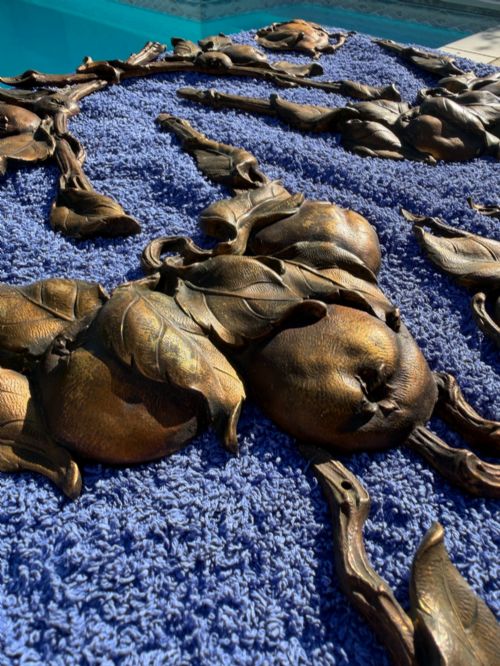
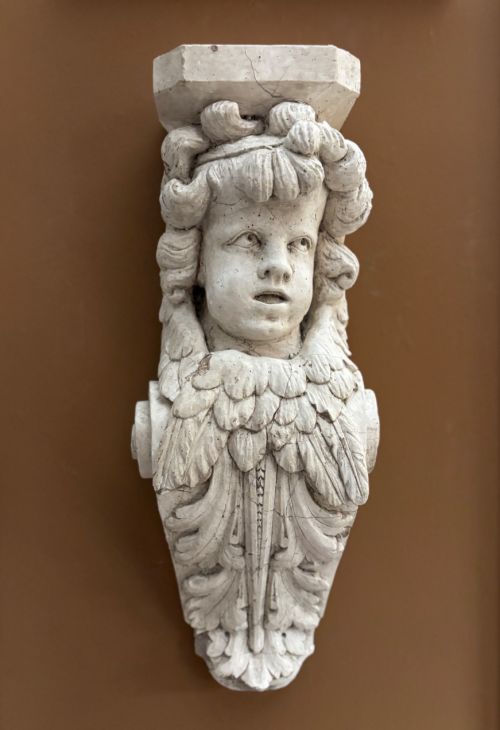
The selections available on this page lean heavily towards the nineteenth century alongside select eighteenth-century fragments, bringing together carved wood, plaster, and bronze. Common forms include winged putti, gilded cherubs, and caryatid pairs that reflect classical revival aesthetics.
Makers such as Poix Blin appear alongside anonymous workshop productions, offering both signed artisanal bronze work and vernacular wooden carvings. Each object carries the decorative vocabulary of French interior design, utilising motifs from the baroque and neoclassical traditions.
Materials and construction
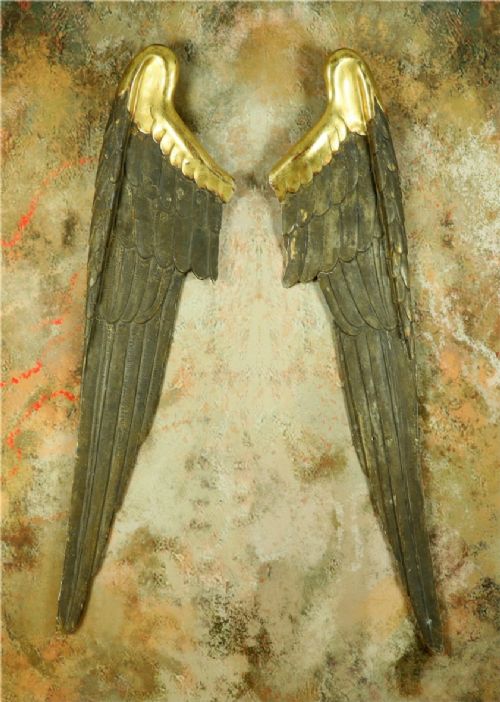
Carved wood provides the structural base for many architectural fragments, frequently finished with layers of gesso and gold leaf to imitate solid precious metal. Artisans shaped timber into winged cherubs and wall corbels before applying fine gilding.
Moulded plaster forms the basis for neoclassical pedestals and caryatid figures, capturing intricate architectural detail through casting. Painted and plain plaster surfaces provide a dense, matte contrast to the reflective metallic finishes found across the category.
A rotating marble pedestal stands ready to give your favourite object a slow, dizzying spin.
Markers of quality
The distinction between standard decorative items and exceptional pieces lies in the crispness of the hand-carving and the depth of the original gilding. Master artisans achieved subtle facial expressions and naturalistic feather definition in wooden wings that lesser workshops missed.
The integrity of the underlying material dictates longevity, with dense hardwoods and heavy cast bronzes holding superior detail compared to softer composition mixtures. Surface patination that has matured organically without heavy modern intervention marks the finest surviving examples.
Poix Blin
The French Chateau Sculpture Glossary
- Gesso
- A plaster-like mixture applied to wood surfaces as a preparation for receiving gold leaf or paint. It allows for smooth carved details before gilding.
- Putto
- A figure of a human baby depicted as a chubby male child, frequently winged in these decorative works. These motifs draw directly from classical mythology and art.
- Caryatid
- A sculpted female figure serving as an architectural support taking the place of a column or a pillar. Pairs of these figures frequently support cornices or pedestals.
- Corbel
- A structural piece of stone, wood, or plaster projecting from a wall to span a weight. In decorative contexts, it functions primarily as a visual bracket beneath shelves or sculptures.
- Applique
- An ornamental fitting applied to a larger surface, such as furniture or walls, commonly cast in gilt bronze. These metal mounts enhance the richness of the primary material.
French Chateau Sculpture: Frequently Asked Questions
What is a french chateau sculpture?
These pieces comprise architectural ornaments, gilded wooden cherubs, bronze appliques, and neoclassical pedestals sourced from historic French interiors. They represent centuries of decorative arts tradition, focusing on classical motifs and gilded surfaces.
Buyers select these items to introduce historic character and sculptural depth into modern or traditional interior schemes. Each object serves as a focal point, whether mounted to a wall or utilised as a display stand.
How were gilded wooden cherubs used?
Historic interiors utilised wooden cherubs and winged putti as architectural accents, often mounted high on walls or above doorways to frame architectural spaces. Their gilded surfaces caught candlelight and natural illumination within grand salons.
Contemporary placement often mirrors this traditional approach, positioning wall corbels and winged figures as standalone art objects. They provide vertical interest and tactile warmth to plain plaster walls.
How do I date a plaster pedestal?
Dating relies upon stylistic markers from neoclassical or revival periods, alongside the inherent wear and patina of the plaster surface. Nineteenth-century and early twentieth-century examples exhibit specific moulding techniques and composition densities.
Examining the base and interior structure reveals construction methods typical of specific eras. Maker attribution or provenance documentation further clarifies the timeline of manufacture.
How do I care for gilt bronze?
Gilt bronze requires gentle dusting with a soft, dry cloth to prevent the accumulation of abrasive particles. Avoid chemical polishes and liquid cleaners that strip away historic gold leaf and underlying patination.
Maintaining stable indoor humidity protects the metallic surface and any underlying wooden or composite cores. Careful handling ensures the preservation of delicate cast details and original finishes.