





Giltwood Architectural Carving
Giltwood architectural carving brings high-relief gilding and classical ornament into domestic interiors through mirrors, brackets, and panels.
Giltwood Architectural Carving
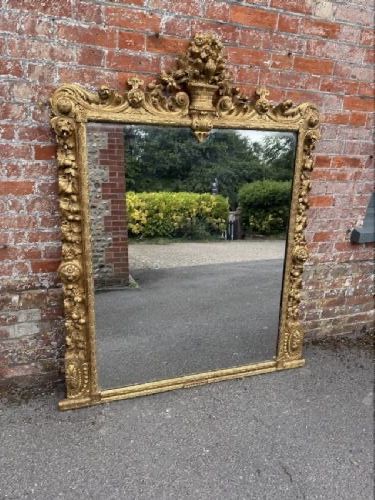
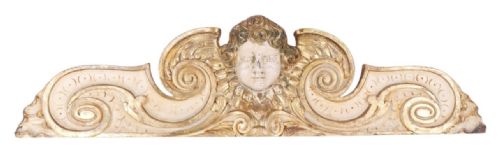
When you search for giltwood architectural carving, you encounter three-dimensional wooden elements rescued from grand interiors or built specifically as wall decorations, mirror frames, and architectural salvage.
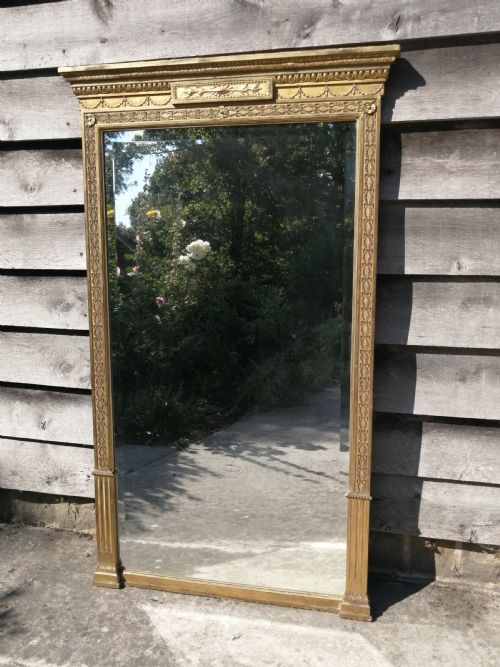
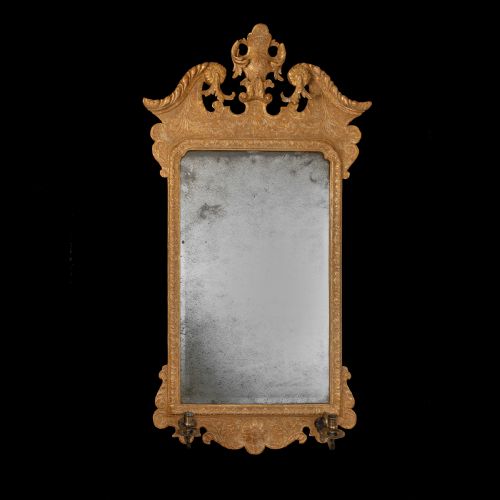
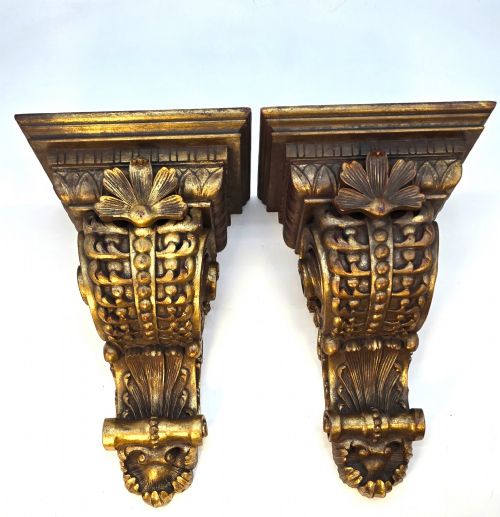
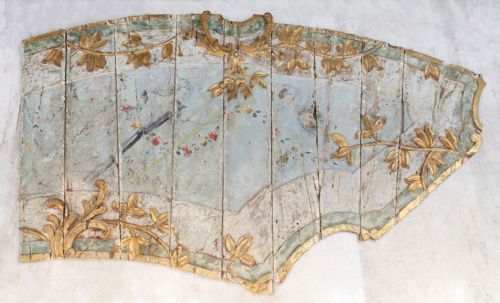
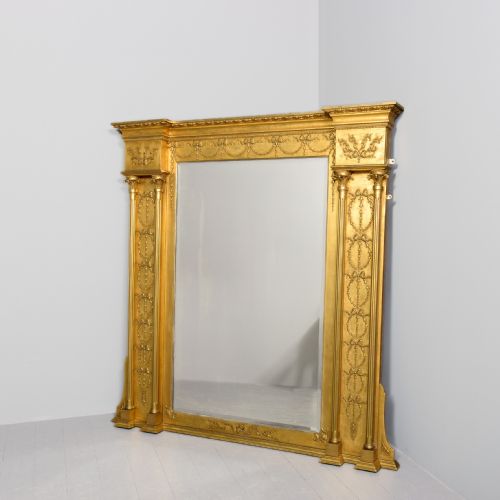
The pieces appearing on this page span the eighteenth and nineteenth centuries, taking the form of overmantel mirrors, pier mirrors, wall brackets, over-doors, and temple panels.
English and Italian workshops dominate the selection, alongside French and Chinese examples, showing styles from George II and Regency to Baroque and Neoclassical.
Materials and construction
Carvers shaped softwoods and hardwoods like walnut before applying layers of gesso to build up crisp details for subsequent gilding.
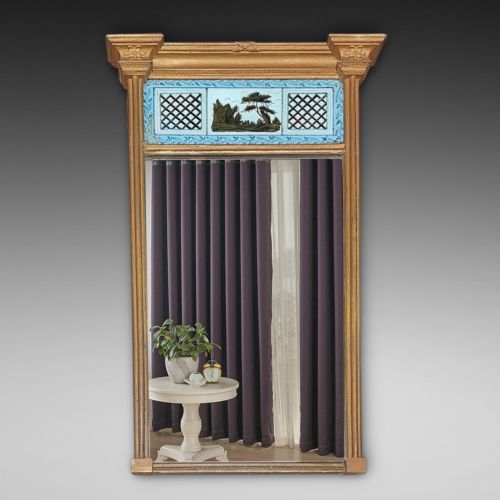
Craftsmen laid thin sheets of gold leaf over the prepared surfaces, occasionally combining the metal with painted elements, verre églomisé panels, and original mirror glass.
Composition material also appears in nineteenth-century mouldings, allowing repetitive decorative motifs to be pressed and applied quickly to frames.
Listings feature eighteenth-century Georgian works alongside nineteenth-century Victorian and Regency pieces, incorporating walnut, gesso, and glass.
Judging the work
Depth and sharpness of the carving distinguish finer pieces from simpler decorative items, separating hand-chiseled wooden ornament from mass-pressed composition.
The integrity of the original gold leaf and gesso ground dictates visual appeal, as heavy cleaning or re-gilding alters the surface texture and softens underlying details.
The Giltwood Architectural Carving Glossary
- Giltwood
- Wood that has been coated with gold leaf. This finish creates a reflective, warm metallic surface that catches candlelight and natural daylight.
- Gesso
- A plaster-like mixture applied to wood surfaces to create a smooth base for gilding. It allows carvers to achieve sharp, intricate relief work.
- Verre églomisé
- Cold painting and gilding on the reverse side of glass panels. This technique adds decorative borders and coloured panels to mirrors.
- Overmantel mirror
- A large horizontal mirror designed to hang above a fireplace mantelpiece. These pieces often incorporate architectural pediments and elaborate carvings.
- Pier glass
- A tall, narrow mirror made to hang on the wall space between two windows. They reflect additional light into dimly lit period rooms.
Giltwood Architectural Carving: Frequently Asked Questions
How do I hang a heavy giltwood mirror?
Large overmantel and pier mirrors require secure wall fixings distributed across the structural timber or masonry behind the plaster.
Professional mirror hangers use heavy-duty steel brackets or mirror plates screwed directly into wall studs to support the substantial weight of carved wood and glass.
Are these pieces from churches or houses?
Architectural carvings originate from various domestic and institutional buildings, including Georgian drawing rooms, Italian palazzos, and French salons.
Some items served as structural over-doors or wall panels, while others functioned as devotional tabernacle frames or temple decorations.
How do I clean antique giltwood?
Dust giltwood gently with a dry, soft artist brush or ostrich feather duster to remove surface particles without disturbing the delicate gold leaf.
Water and chemical cleaning products must be avoided entirely, as moisture penetrates the gesso ground and causes the surface to flake.
What is the difference between George II and Regency styles?
George II pieces from the eighteenth century showcase heavy, sculptural proportions with bold Palladian motifs, rich walnut, and deep gesso carving.
Regency items from the early nineteenth century favour leaner, classical Neoclassical lines inspired by ancient Roman and Greek designs.