

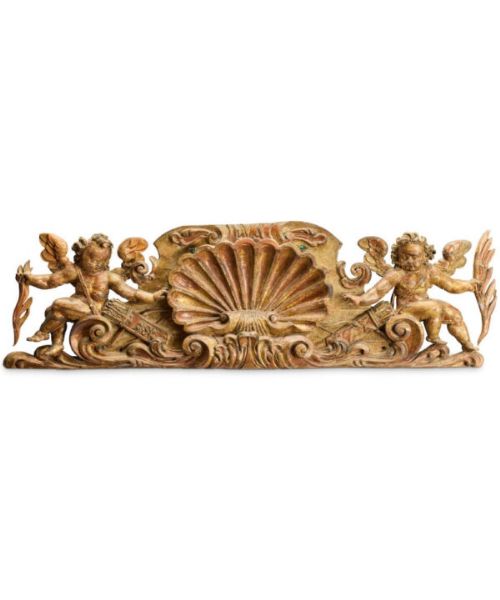
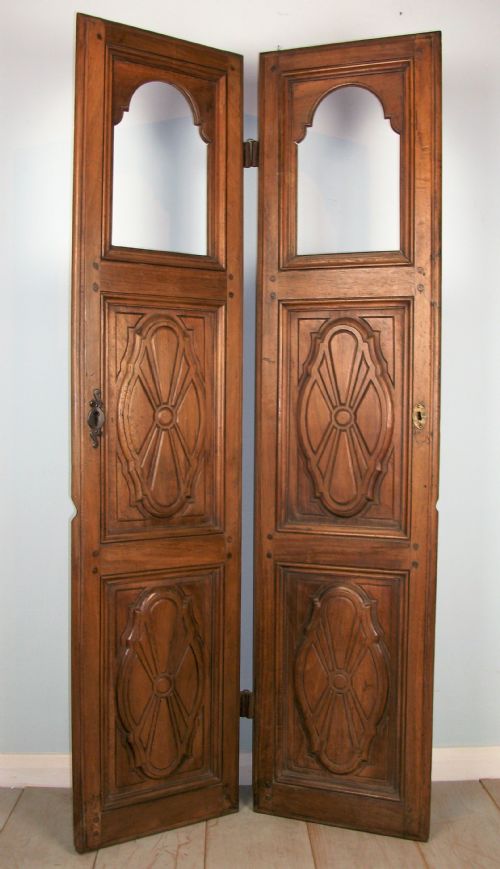


18th Century Architectural Panel
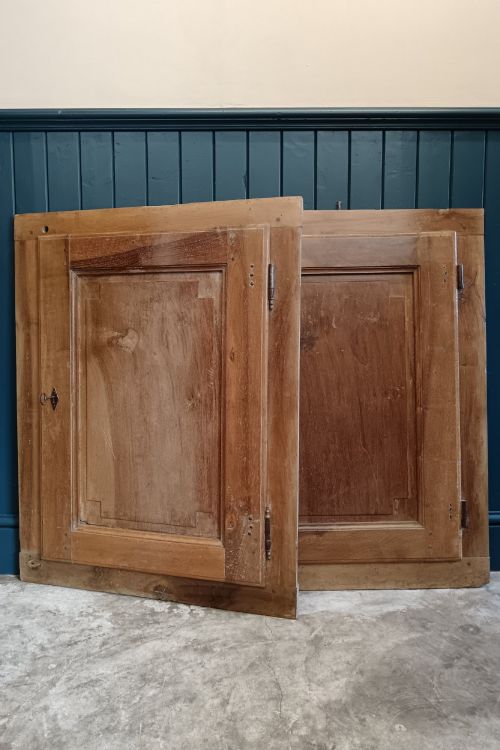
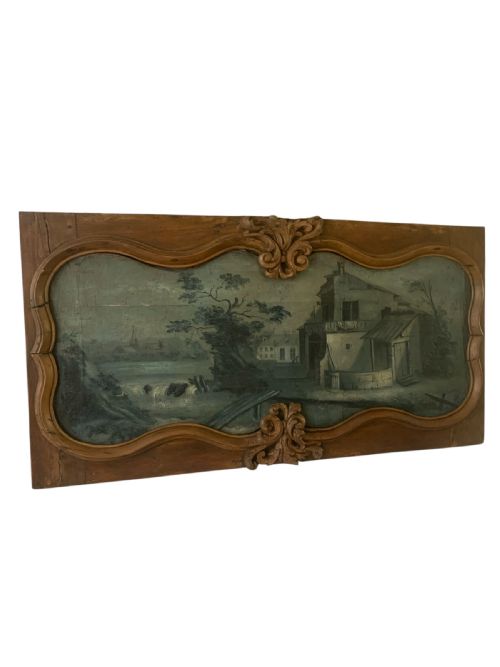
An 18th century architectural panel brings historic interior grandeur to a room, offering authentic period woodwork, carving and paint.
18th Century Architectural Panel
When you search for an 18th century architectural panel, you encounter a diverse group of salvaged woodwork, wall reliefs, overmantels and decorative fragments originating from period interiors. These pieces span European, British and Asian workshops, reflecting diverse regional styles from Georgian and Neoclassical to Qing Dynasty aesthetics.
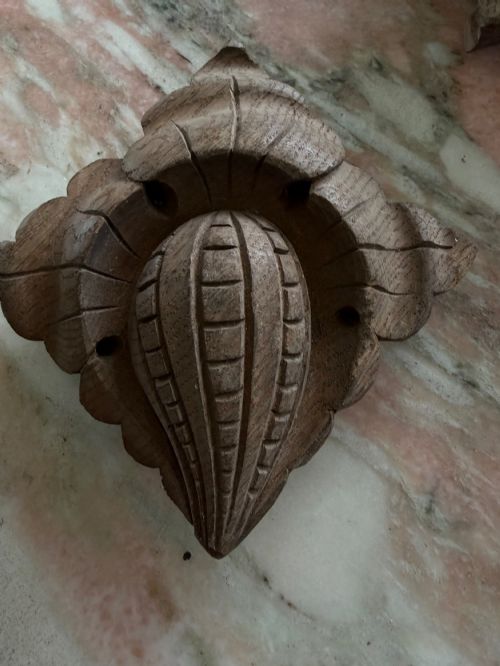
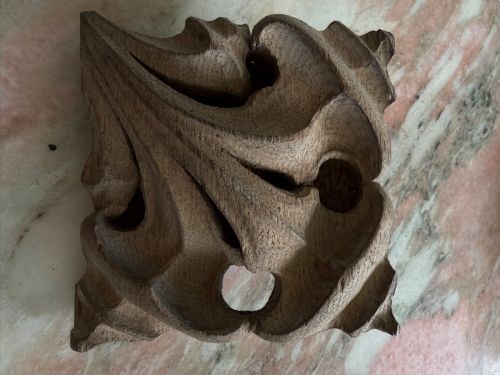
The selection includes specialised elements such as ceiling bosses, pediments, friezes and wall plaques. These components once formed part of elaborate room schemes, chateaux, churches and historic country houses.
Materials and Techniques
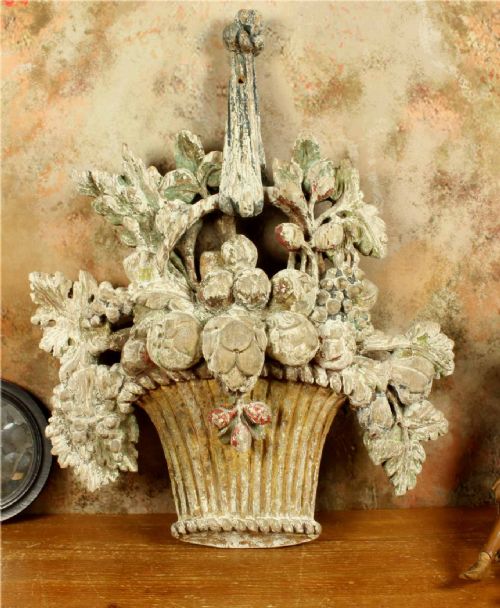
Makers shaped these panels using solid timbers like oak, walnut and pine, employing traditional joinery and hand-carving techniques. Reliefs and decorative motifs were chiselled directly into the wood or built up using gesso.
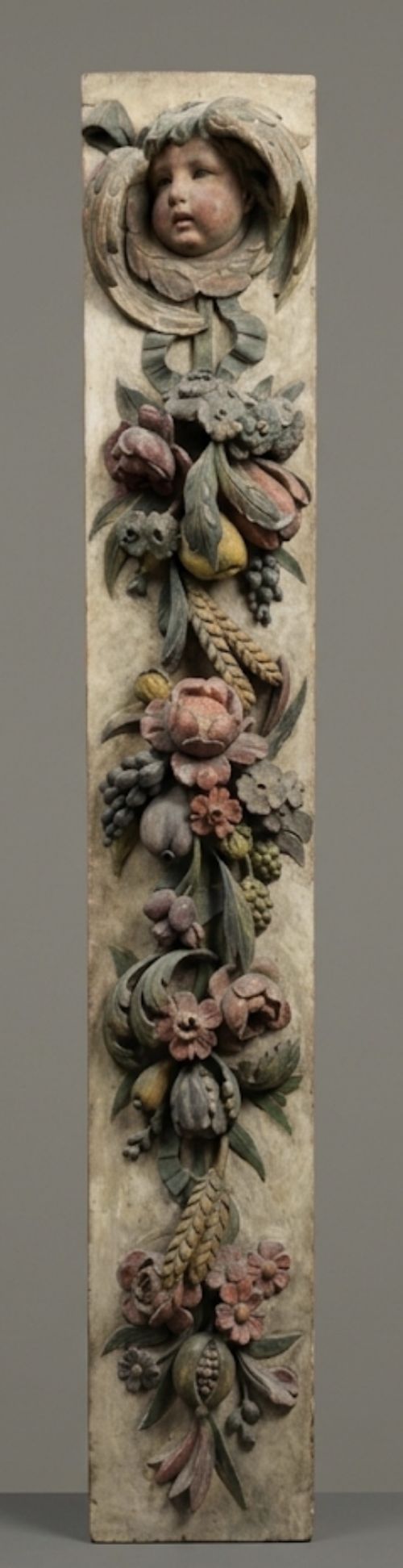
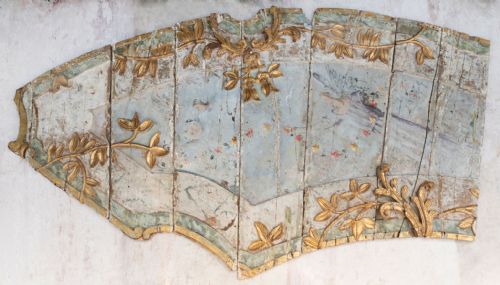
Surfaces were frequently finished with hand-applied paint, polychrome pigments, gold leaf or oil on panel techniques. Iron fixings and bronze elements occasionally complemented the woodwork in architectural settings like fireplaces and overmantels.
Listings feature oak, walnut and pine panels incorporating carved wood, paint, gesso, gold leaf and iron.
Assessing Quality and Execution
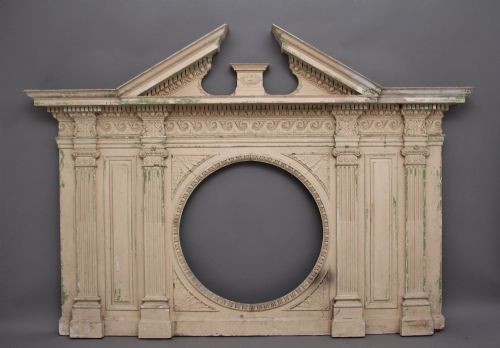
The distinction between ordinary salvaged timber and superior work lies in the depth, crispness and ambition of the hand-carving. Master carvers achieved intricate relief work with expressive detail, as seen in figural panels, floral baskets and architectural pediments.
The preservation of original surface treatments, such as early paint layers, parcel gilding and natural patina, elevates the significance of a piece. Intact proportions and harmonious integration of form separate standard decorative fragments from exceptional examples.
Grinling Gibbons·George Lambert
The 18th Century Architectural Panel Glossary
- Overmantel
- A decorative panel or painting positioned directly above a fireplace mantelpiece. These pieces often feature landscape oils or carved woodwork designed to anchor the hearth within the room.
- Ceiling Boss
- A projecting block of carved wood placed at the intersection of ceiling ribs or beams. They frequently display intricate leaf motifs or geometric designs.
- Polychrome
- Decoration employing several colours on a single piece. This technique was used on wooden carvings and panels to enhance visual depth.
- Parcel Gilt
- A surface finish where selected areas of an object are partially gilded with gold leaf. This highlights specific carved details against a painted or natural wood background.
- Pediment
- A triangular or segmental architectural gable placed above doors, windows or panels. In 18th century interiors, they added classical dignity to important doorways.
18th Century Architectural Panel: Frequently Asked Questions
How were architectural panels used originally?
These elements served as structural and decorative components within wealthy interiors, adorning walls, overdoors, ceilings and fireplace surrounds.
They functioned to display status, frame important spaces and introduce sophisticated classical or regional design motifs into grand rooms.
Can I hang these panels on modern walls?
Many wall reliefs and panels are suited for interior display, though their weight requires secure fixing to wall studs or masonry.
Because they originate as architectural salvage, consulting a professional hanger ensures the piece is supported safely.
How do I care for historic wood and paint?
Historic timber and delicate paint layers require stable indoor humidity away from direct sunlight and strong heat sources.
Dusting gently with a dry, soft cloth preserves the original surface without disturbing centuries-old patinas or fragile gesso.
How do I distinguish 18th century work from later copies?
Authentic pieces exhibit tool marks consistent with period hand-working, natural timber shrinkage and genuine historic surface wear.
Construction methods, material selection and stylistic nuances align closely with documented 18th century joinery and carving traditions.