
Brown Carved Wood Panel
A brown carved wood panel brings deep grain and historic handiwork to an interior, often originating from architectural salvage or dismantled furniture.
Brown Carved Wood Panel
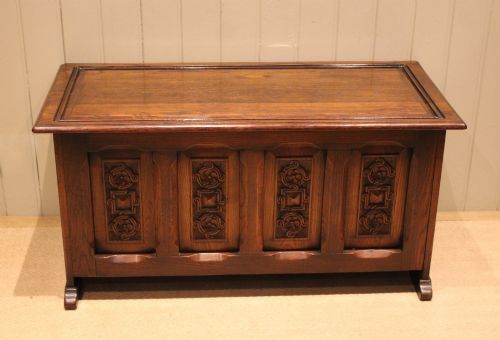
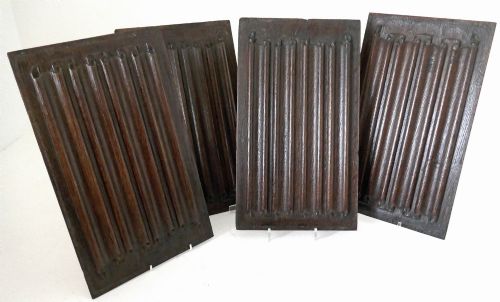
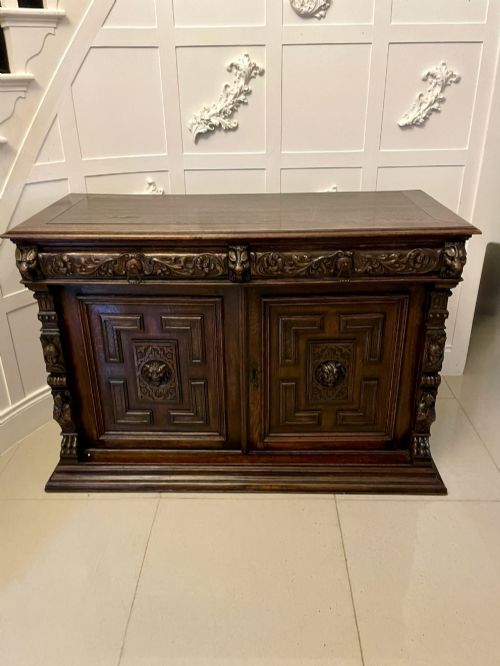
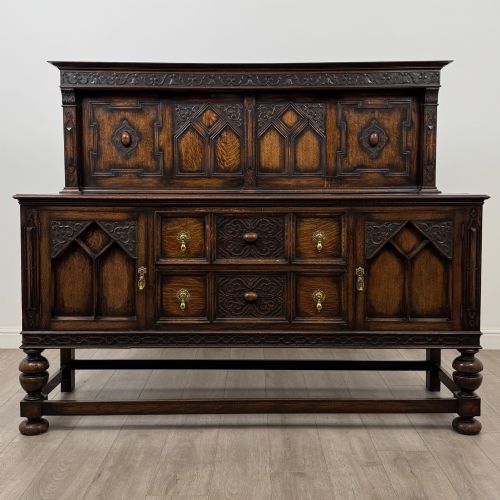
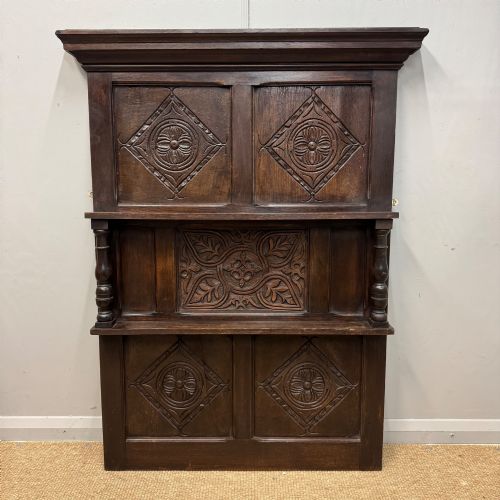
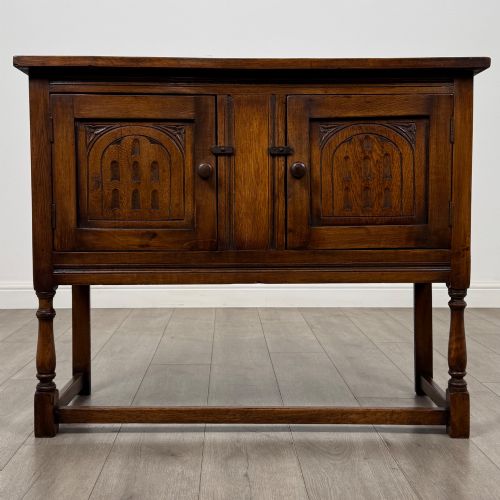
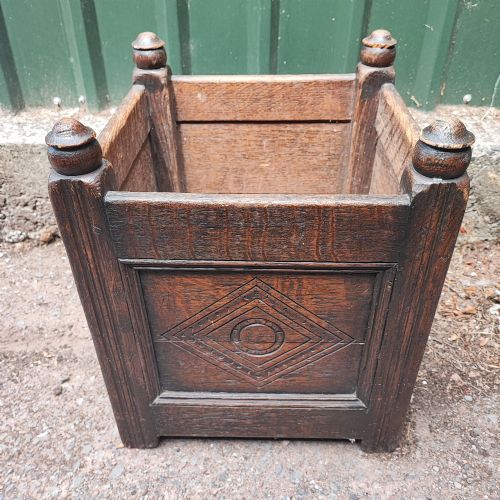
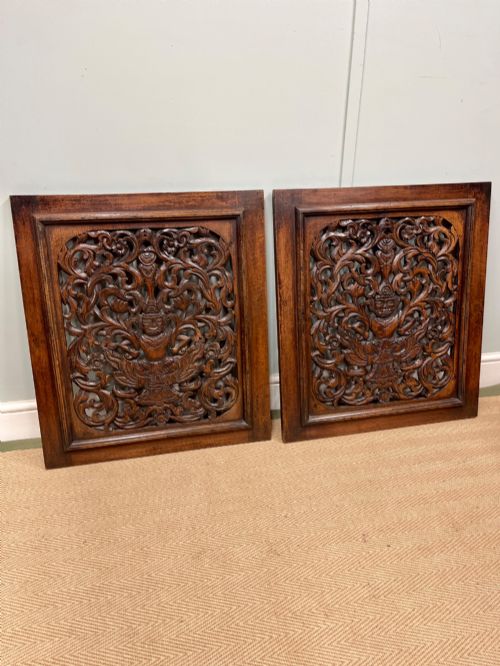
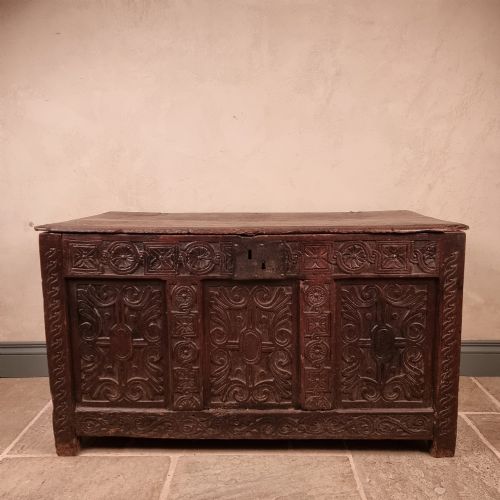
When a buyer searches for a brown carved wood panel, they encounter architectural fragments, wall art, and elements salvaged from larger furniture items like coffers, sideboards, and cupboards. The pieces span multiple centuries, ranging from sixteenth-century linenfold designs and seventeenth-century reliefs to nineteenth-century revival styles and twentieth-century interpretations.
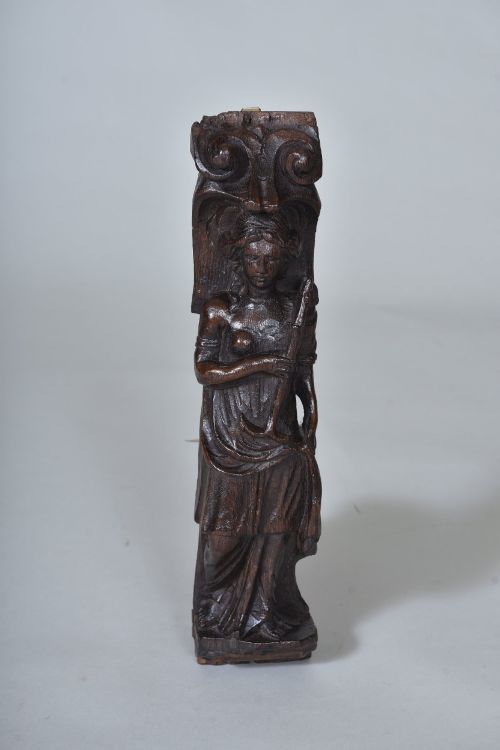
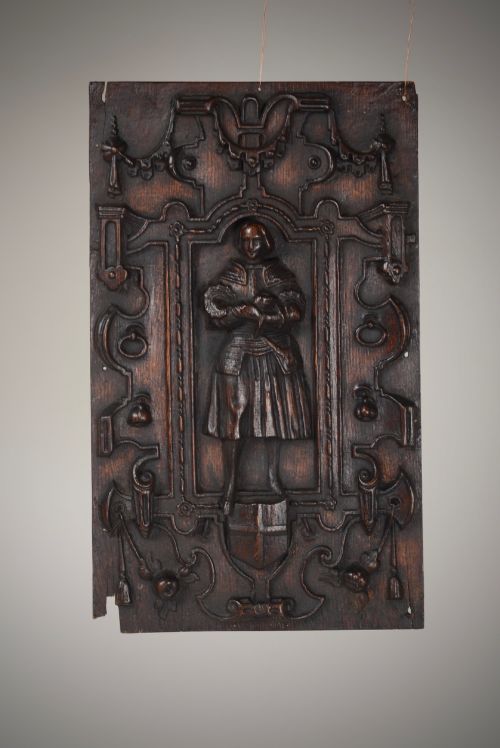
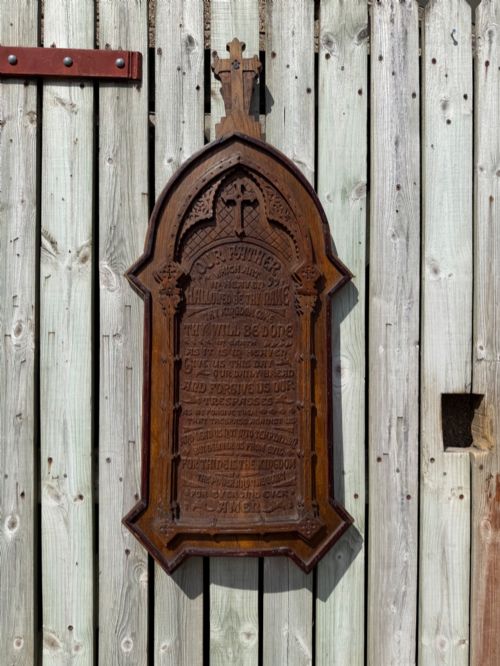
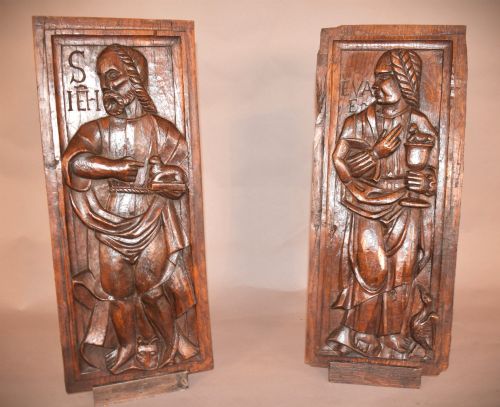
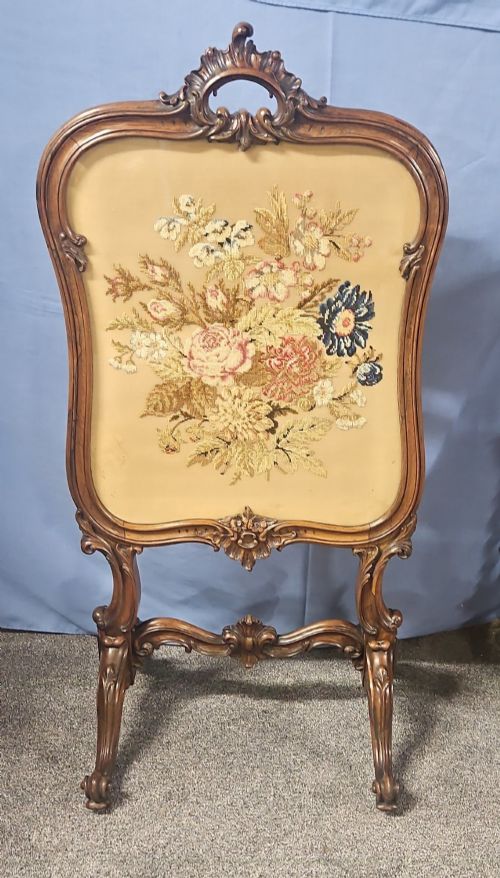
Oak dominates the selections on this page, frequently appearing in sixteenth and seventeenth-century English items, alongside walnut, chestnut, hardwood, and teak. Forms extend beyond flat wall placements to include overmantles, ceiling bosses, screens, and plaques displaying figural motifs, script such as The Lord's Prayer, and traditional Green Man carvings.
Global origins enrich the selection, with Burmese, Chinese, and Indian panels appearing alongside European examples in oak, hardwood, and teak. Buyers meet both standalone panels meant for wall display and integrated components that once formed part of seating, chests, or room dividers.
Materials and Technique
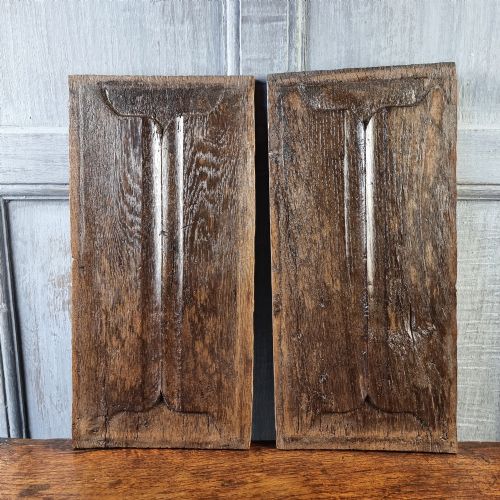
Carpenters and carvers shaped these pieces primarily from solid oak, walnut, chestnut, and imported hardwoods using hand tools such as chisels, gouges, and drawknives. The technique relies on relief carving, piercing, and linenfold construction, where timber is worked to create the illusion of folded cloth or intricate figural scenes.
Secondary materials like brass inlay appear in specific regional items, while structural elements of older panels utilise traditional joinery suited to the expansion and contraction of timber over centuries. Surfaces display the natural colour and texture of the wood grain, shaped by historic hand-finishing methods.
Listings feature wood panels spanning from the sixteenth century to the mid-twentieth century, constructed in oak, walnut, teak, and chestnut.
Assessing Quality
Depth and crispness of the hand-carving separate standard pieces from exceptional examples, as skilled carvers achieved subtle three-dimensional forms in stubborn timber like oak and chestnut. The integrity of the surrounding wood, the preservation of original edges from architectural salvage, and the clarity of figural subjects dictate the distinction.
Age and provenance further influence the standing of a panel, particularly where sixteenth or seventeenth-century English work retains its original surface patination. Consistency between the carved wooden element and any associated framework shows whether a piece maintains its historical unity.
The Brown Carved Wood Panel Glossary
- Linenfold
- A style of wood carving that mimics vertical folds of fabric, commonly found on sixteenth-century panels and coffer fronts. This linen-like pattern creates a textured surface using shallow relief.
- Overmantle
- A decorative architectural panel or woodwork piece positioned directly above a fireplace opening. These often incorporate extensive carving or historic oak elements.
- Green Man
- A sculptural motif showing a human face surrounded by or sprouting foliage, appearing in medieval and revival wood carvings. The design symbolises rebirth and the cycle of spring.
- Coffer
- A large wooden chest used for storage, frequently constructed with heavy planking and front panels that display period carving. They serve as precursors to modern storage furniture.
- Mashrabiya
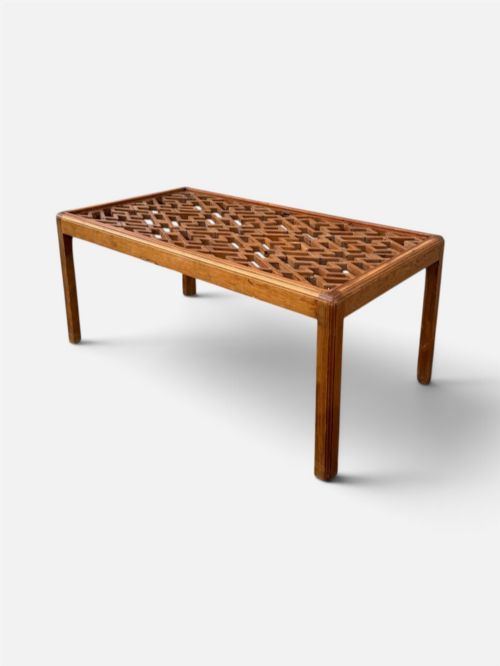
- A traditional projecting window enclosed with carved wood latticework, functioning as a room divider or screen. These pieces utilise intricate geometric joinery.
Brown Carved Wood Panel: Frequently Asked Questions
How were brown carved wood panels originally used?
These panels functioned as structural elements in buildings, church interiors, and large furniture pieces such as coffers, sideboards, and wainscot chairs. They also served as decorative wall art, overmantles, and room dividers.
Over time, many panels were salvaged from dismantled furniture or architectural settings to be displayed directly on walls as standalone artworks.
How do I hang a heavy wooden panel?
Hanging requires locating studs in the wall or using appropriate masonry anchors capable of supporting the specific weight of solid oak or hardwood. Professional mirror or picture hanging hardware designed for heavy loads ensures security.
Allowance for timber movement prevents warping caused by temperature and humidity changes in the room.
How do I tell sixteenth-century panels apart from later revivals?
Sixteenth-century pieces display tool marks, timber shrinkage, and wear consistent with early hand-working methods and centuries of age. Revival pieces from the nineteenth and twentieth centuries often use mechanical assistance or show stylised imitation of earlier periods.
Examining the back of the wood and the joinery reveals the age of the construction.
What is the best way to care for antique wood panels?
Keeping panels away from direct sunlight, radiators, and damp conditions protects the timber from splitting or drying out. Gentle dusting with a dry, soft cloth maintains the surface without stripping the natural patination.
Avoiding modern silicone polishes preserves the historic finish of the wood.