

Antique Carved Panel
An antique carved panel brings texture, history and architectural depth to a wall or furniture surface.
Antique Carved Panel
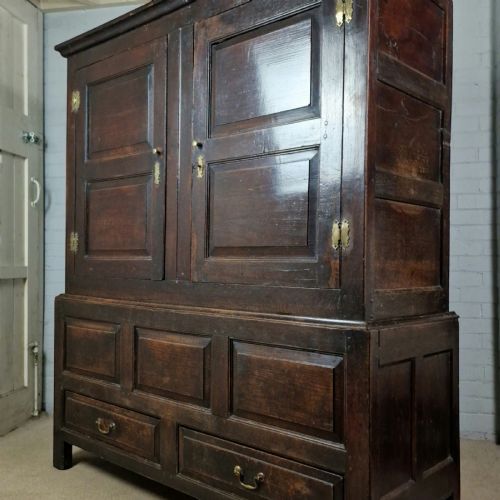
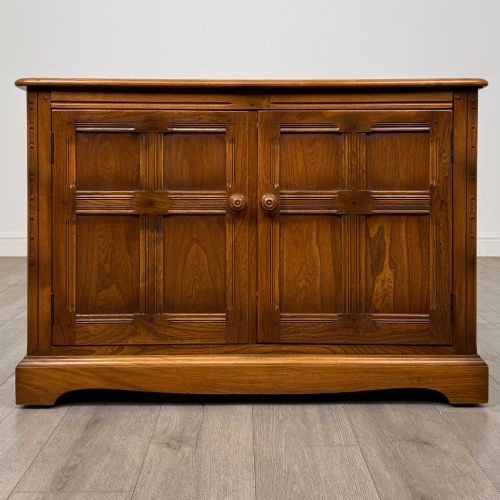
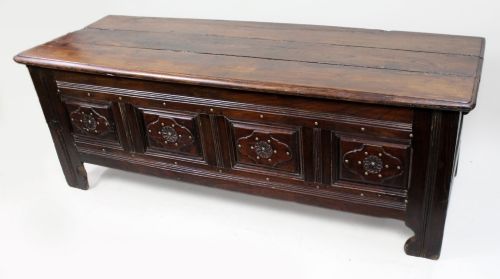
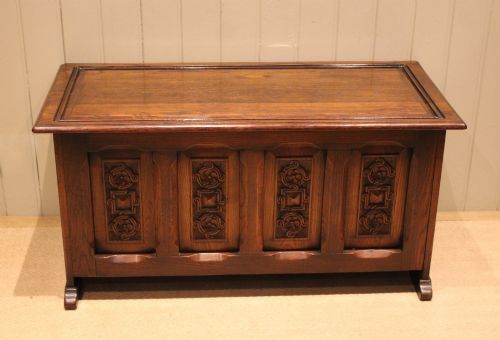
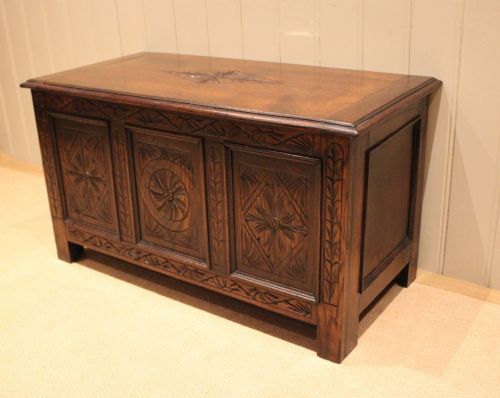
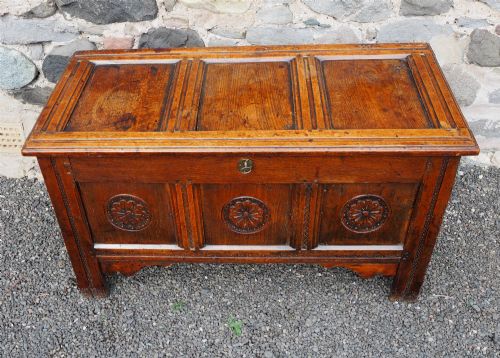
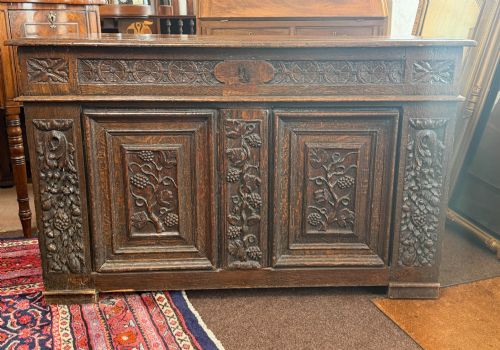
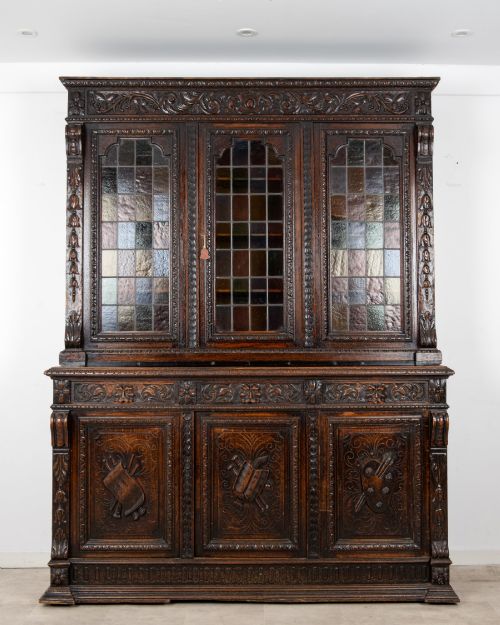
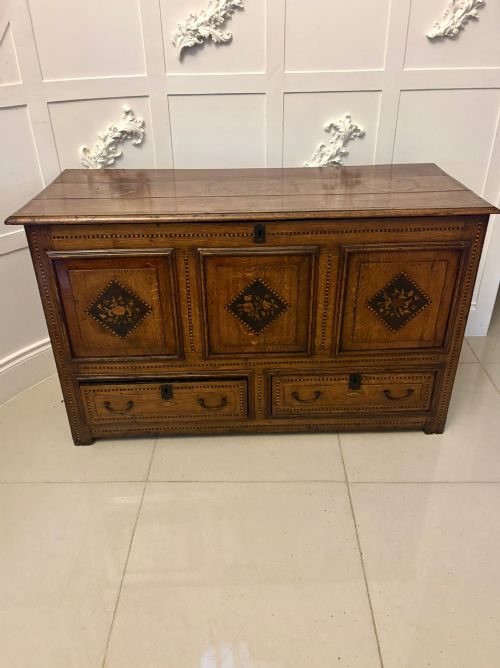
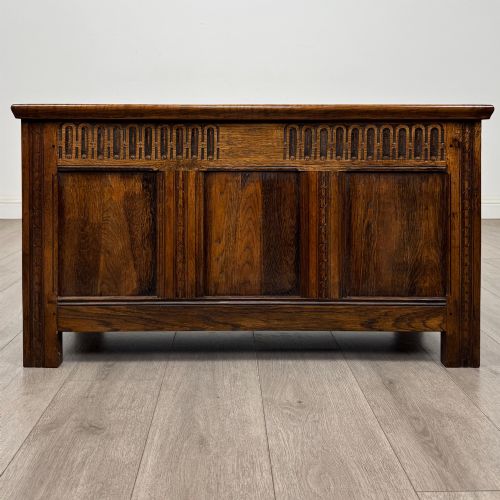
An antique carved panel represents fragments of architectural woodwork, cabinet doors and fitted chest fronts produced across several centuries. These items range from standalone decorative panels to integrated sections removed from larger furniture like coffers and cupboards.
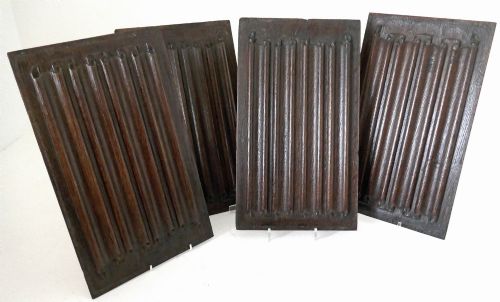
The selections encountered here span English, French, Flemish and Dutch workshops, with solid oak dominating the early periods alongside mahogany and exotic hardwoods. Surviving examples frequently display floral motifs, heraldic crests, linenfold patterns or figural carvings.
Buyers look for these items to incorporate historic timberwork into modern interiors, either mounted directly onto walls or set within architectural schemes. The format allows collectors to own authentic period carving without acquiring entire pieces of furniture.
Materials and methods
Early items rely heavily on quarter-sawn oak, chosen for its stability and distinctive medullary ray figuring. Carvers worked the timber using gouges, chisels and hand planes directly on the bench.
Joinery techniques such as mortise and tenon frames held individual panels in place, allowing the wood to expand and contract naturally with seasonal humidity changes.
A seventeenth-century Dutch panel captures a cherub enthusiastically riding a dolphin and blowing a cornucopia.
Assessing quality
The crispness and depth of the chisel work distinguish superior panels from simpler, commercial production. Master carvers achieved three-dimensional relief with expressive detailing in faces, foliage and drapery.
The selection of the timber also dictates worth, particularly where dense grain and old surface patination remain undisturbed by aggressive cleaning.
The Antique Carved Panel Glossary
- Linenfold
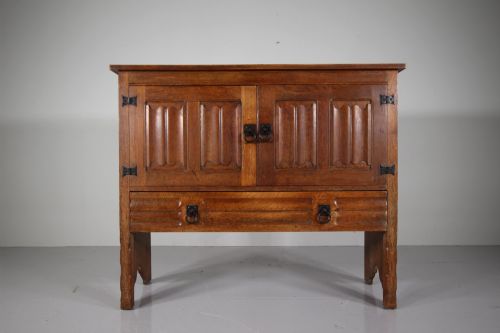
- A style of wood carving resembling folded parchment or linen, popular on Tudor and Elizabethan panels. It creates a vertical, textured surface across box fronts and architectural screens.
- Relief carving
- A sculptural technique where figures or patterns project from a flat background. High relief involves deep undercutting that casts strong shadows across the design.
- Romayne work
- Renaissance-style carving featuring human profile heads enclosed within round medallions. Originating in Italy, the motif spread across northern European workshops during the sixteenth century.
- Quarter-sawn
- A method of logging where the tree is cut radially into quarters, producing stable boards with straight grain lines. This cut reveals attractive silver-grain flecks in oak.
- Tracery
- Architectural stone-style ornamental intersecting patterns applied to woodwork. Gothic examples often feature pointed arches and quatrefoil geometries.
Antique Carved Panel: Frequently Asked Questions
How were carved panels originally used?
These elements served as structural components in large furniture pieces like coffers, cupboards and settle backs, as well as interior wall panelling for substantial houses and ecclesiastical buildings. They provided both decoration and insulation in draughty rooms.
Individual panels were frequently framed into cabinetry to display the status and wealth of the owner through intricate heraldry and biblical scenes.
How do I hang a heavy wooden panel?
Mounting solid timber requires secure fixing to wall studs or masonry using appropriate brackets that support the weight without splitting the aged wood. Ensure the installation allows the panel to adjust naturally to indoor climate shifts.
Professional picture hangers or bespoke metal cleats provide stable support while keeping the historic timber clear of damp walls.
How do I date an early oak panel?
Dating relies on examining tool marks left by adzes and pit saws, along with the evolution of decorative motifs such as linenfold, strapwork or Renaissance medallions. The colour and dry tactile quality of the surface patination also indicate age.
Comparing the style of carving to documented regional workshops helps narrow the origin to specific decades between the fifteenth and seventeenth centuries.
Can I clean historic wood panels?
Maintenance should be limited to gentle dusting with a dry, soft brush to preserve the accumulated wax and original surface patination. Avoid modern liquid cleaners or harsh detergents that strip away historic finishes.
Occasional application of microcrystalline wax feeds dry timber and protects the grain without darkening the natural colour of the wood.