






Gothic Trefoil Carving
These gothic trefoil carving pieces bring ecclesiastical character to domestic interiors through architectural woodwork and carved timber furniture.
Gothic Trefoil Carving
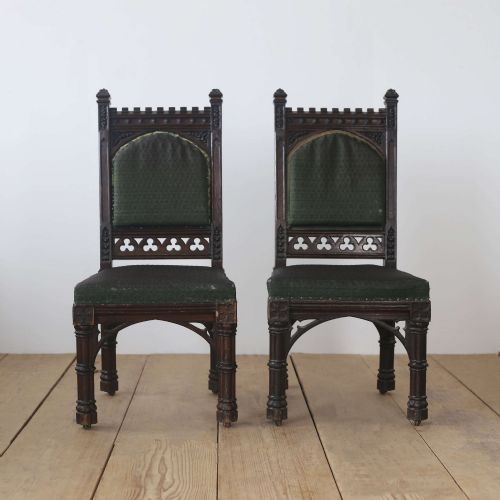
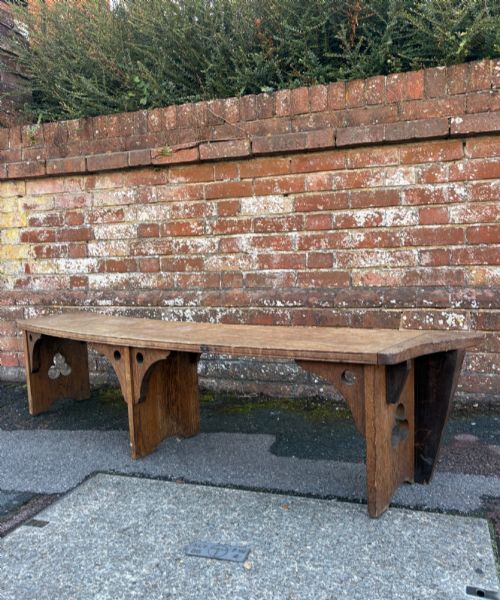
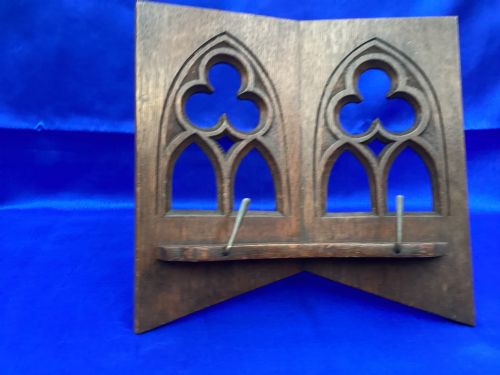
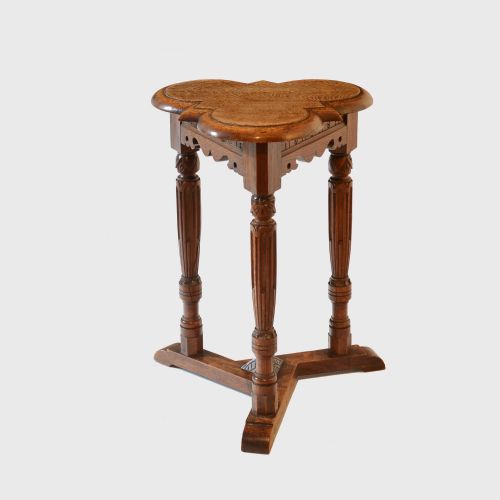
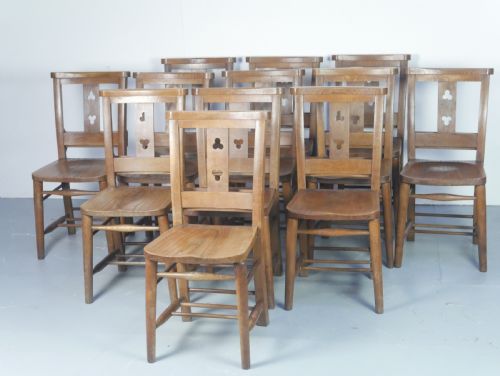
A gothic trefoil carving typically manifests as decorative architectural tracery on seating, tables, and panels spanning from pre-sixteenth century fragments to nineteenth-century revival pieces. You will frequently encounter oak benches, church chairs, and occasional tables displaying these distinct three-foil motifs.
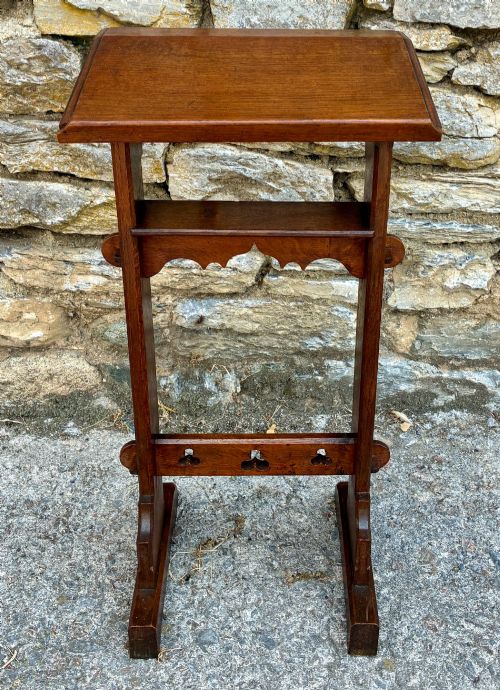
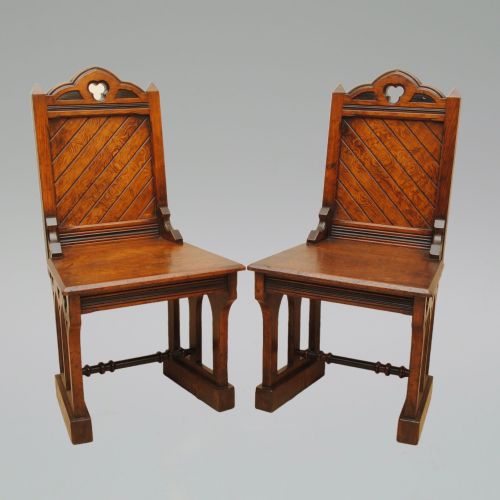
The selection here encompasses items ranging from Edwardian book stands and church lecterns to substantial Victorian Gothic tables and Irish walnut hall seats. These functional forms blend medieval structural elements with domestic utility from various nineteenth and early twentieth-century eras.
Materials and construction
Solid oak serves as the predominant timber across these listings, alongside pitch pine, walnut, and satin birch, reflecting the robust requirements of Gothic Revival joinery. Craftsmen shaped these domestic and ecclesiastical objects using traditional hand-carving techniques to produce crisp tracery and trefoil details.
Wood inlay and applied brass elements occasionally supplement the carved woodwork on specific desks and tables. Structural assembly relies on pegged joints and sturdy framing suited to church furnishings and heavy domestic seating.
Gothic Trefoil Carving Retail Price Guide 2026
Typical asking prices for gothic trefoil carving among the pieces listed under this phrase on Sellingantiques today, from the lower quarter to the upper quarter. They describe what is for sale here now, not the wider market.
One bench includes built-in shoe storage, proving that Victorian hall designers also wrestled with household clutter near the front door.
Judging the work
Quality reveals itself in the crispness and depth of the timber carving, particularly within the cusps and foils of the tracery. Pieces retaining their original church provenance or possessing documented vernacular origins display a stronger coherence of design.
The selection of timber grain and the integrity of the structural joints differentiate standard production work from finer cabinetmaker output. Surface patination accumulated over decades of use contributes significantly to the visual weight of these pieces.
Jack Grimble
The Gothic Trefoil Carving Glossary
- Trefoil
- A graphic ornament composed of three arcs or foils arranged in a cloverleaf shape. This motif appears frequently in Gothic architecture and decorative woodwork.
- Tracery
- The stonework or timber work supporting glass in a Gothic window or applied as decorative panelling on furniture. It defines much of the linear aesthetic seen in these listings.
- Gothic Revival
- An architectural and decorative style beginning in the mid-eighteenth century and flourishing throughout the Victorian era. It draws inspiration from medieval forms and ecclesiastical design.
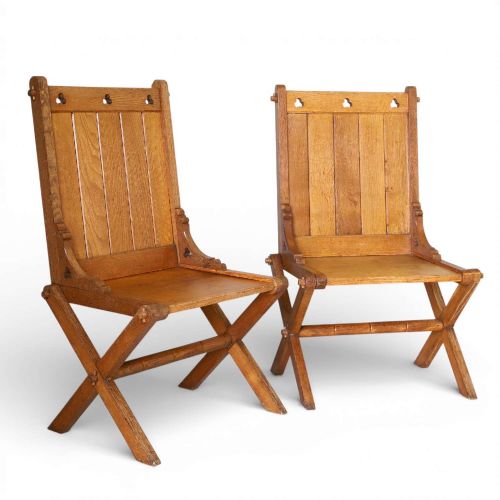
- Glastonbury Chair
- A type of low wooden armchair with a sloping back and X-frame understructure, often associated with nineteenth-century ecclesiastical revivals. Examples here feature carved trefoil details.
Gothic Trefoil Carving: Frequently Asked Questions
How do I style a church chair at home?
These ecclesiastical chairs function well as occasional seating in hallways or studies where their architectural lines can stand alone against plain walls.
Pair them with simple timber tables to let the carved trefoil details remain the focal point of the room.
Are these pieces from actual churches?
Several items originate from ecclesiastical contexts, including church lecterns, altars, and architectural tracery panels salvaged from period buildings.
Others were produced during the nineteenth and twentieth centuries as domestic revival furniture drawing inspiration from medieval design.
What timber should I expect?
Oak is the primary material used across the majority of these benches, tables, and chairs, offering durability and a traditional appearance.
Pitch pine, walnut, and satin birch also appear in specific desks, hall seats, and smaller display items.
How do I care for antique oak?
Maintain the timber by applying natural beeswax periodically to nourish the surface and preserve the historic patination accumulated over the decades.
Keep these items away from direct heat sources and strong sunlight to prevent the solid wood from splitting.