


Victorian Heraldic Crest Painting
These Victorian heraldic crest painting pieces bring authentic armorial display into modern interiors through painted glass, panels, and porcelain plates.
Victorian Heraldic Crest Painting
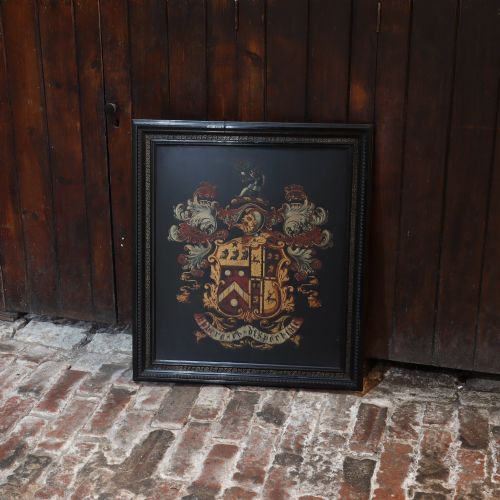
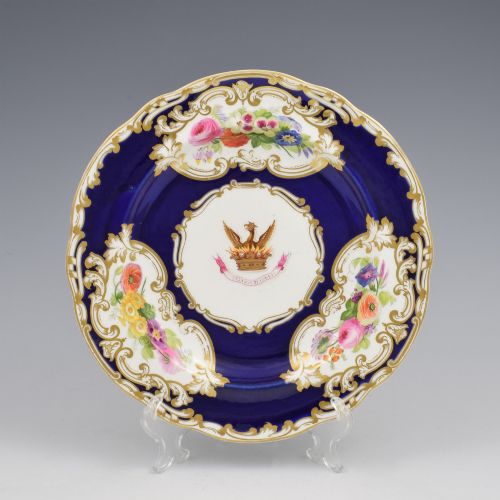
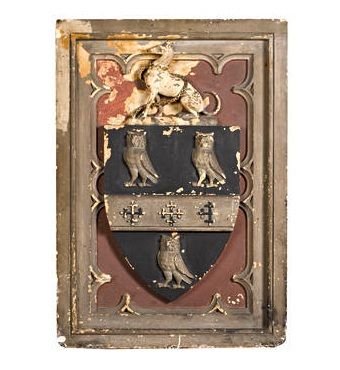
When you search for victorian heraldic crest painting, you encounter a selection of armorial art from the nineteenth century. These objects include oil on glass panels, painted porcelain plates, and leaded glass windows bearing coats of arms.
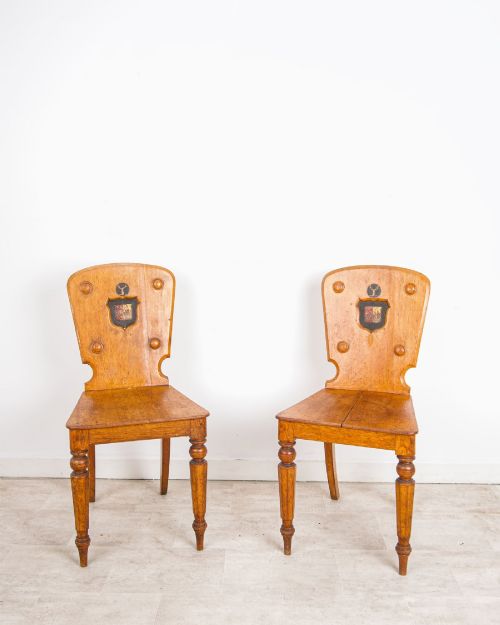
The items on this page span the Victorian and Edwardian periods, featuring forms such as wall plaques, hall chairs with shield backs, and decorative armorial plates. Most pieces originate from the nineteenth century, capturing family lineages and institutional insignia.
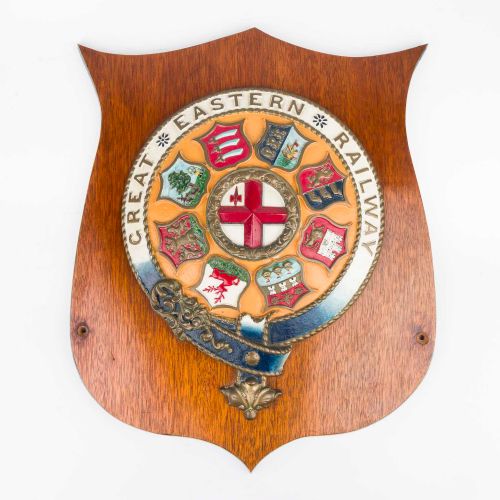
Buyers find both domestic items like oak hall chairs and architectural elements such as stained glass windows. Each piece displays hand-painted or enamelled heraldic details attributed to specific families or railways.
How they were made
Makers utilised paint, enamel paint, and gold leaf applied to glass, porcelain, and plaster surfaces. Oil on glass paintings required meticulous brushwork directly onto the reverse or surface of the glass pane.
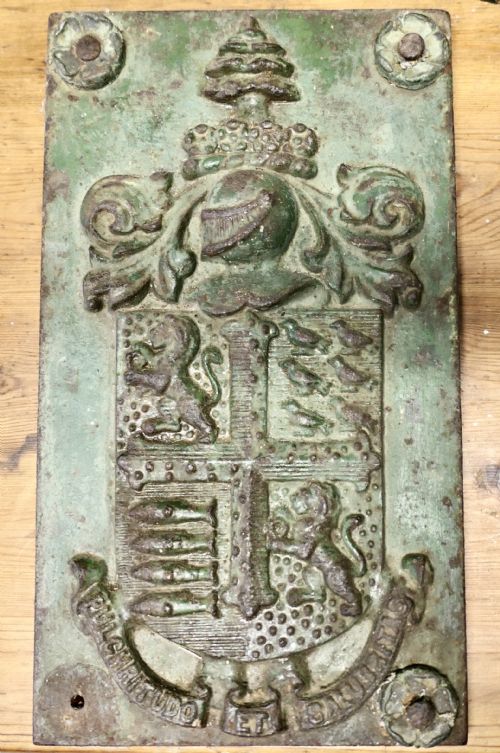
Structural elements incorporated solid oak, cast iron, and brass alongside leaded glass and glazed pottery. Wood pieces often feature carved shield backs, while metal works utilise cast iron and brass mountings.
Materials recorded across the inventory include oak, paint, brass, cast iron, glass, enamel paint, gold leaf, and enamel.
What varies in quality
The standard of execution in the heraldic painting dictates the quality of each piece, distinguishing fine brushwork on porcelain or glass from simpler production. Details in the hand-painted crests reveal the skill of the original artisan.
The preservation of the primary materials, such as undamaged leaded glass, intact gold leaf, and stable oak frames, influences the overall integrity of the object.
Copeland
The Victorian Heraldic Crest Painting Glossary
- Armorial
- Relating to heraldry or coats of arms. Armorial plates and panels display specific familial or institutional insignia.
- Enamel paint
- A glossy paint that dries to a hard, durable finish. This medium was often used on metal and glass surfaces for longevity.
- Gold leaf
- Gold beaten into extremely thin sheets used for gilding. It highlights specific elements within heraldic crest paintings.
- Leaded glass
- Glass pieces held together by strips of lead. This technique forms windows and decorative panels featuring painted designs.
Victorian Heraldic Crest Painting: Frequently Asked Questions
What is a victorian heraldic crest painting?
These pieces comprise painted coats of arms on materials like glass, porcelain, and wood from the nineteenth century.
They represent family lineages, railway companies, and royal insignia through traditional armorial depiction.
How were armorial plates used?
Armorial plates served both decorative and display functions in Victorian homes, often featuring family crests.
They were manufactured by potteries using glazed pottery and porcelain with hand-painted details.
What materials appear in these items?
Common materials include oak, cast iron, brass, glass, and enamel paint.
Artists also applied gold leaf to enhance specific heraldic details on glass and ceramic surfaces.
How do I identify a Victorian piece?
Victorian and Edwardian pieces show construction methods and materials typical of the nineteenth century, such as leaded glass and solid oak.
Stylistic markers like Gothic Revival and Neo-Renaissance designs help establish the period.