


Industrial Wall Plaque
An industrial wall plaque brings authentic commercial and transit history straight into a room, offering robust character forged from iron, enamel and oak.
Industrial Wall Plaque
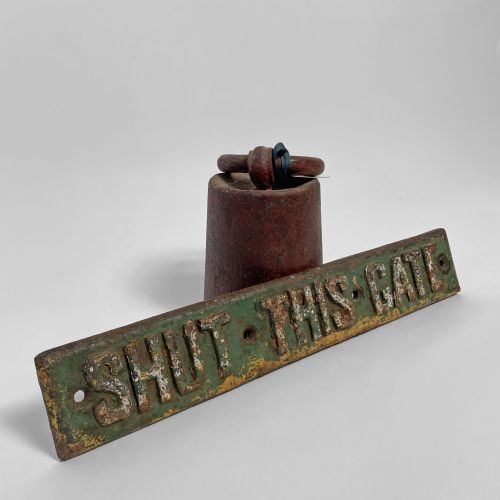
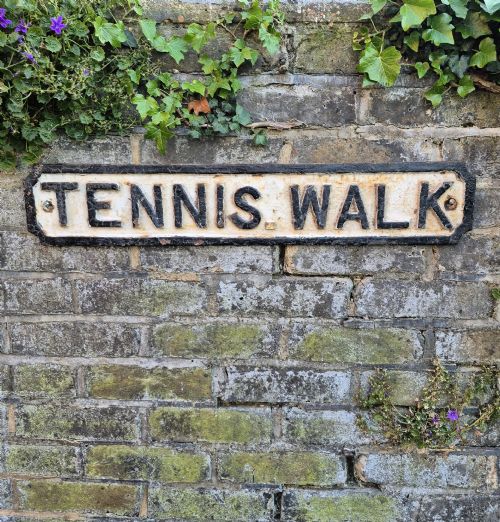
When you search for an industrial wall plaque, you encounter functional notices, street names and trade signs that once directed the public or marked a business. These pieces range from late Victorian street markers and railway notices to early twentieth-century enamel advertising signs and tradesman plaques.
The version you are most likely to meet on this page is a cast iron or vitreous enamel sign originating from British and French railways, municipalities or commercial enterprises between the late nineteenth century and the nineteen-thirties. They carry the direct typography and straightforward utility of their working origins.
Makers produced these items for endurance rather than decoration, mounting them on brick walls, railway gates and shop fronts to withstand decades of weather and wear. Their survival in domestic spaces relies entirely on this original heavy-duty construction.
How they were made
Foundries cast iron and brass into heavy plates, often recessing lettering so painters could fill the channels with contrasting pigment for legibility. Sheet metal and copper relief plaques required skilled beating and stamping to raise the design from the flat plane.
Vitreous enamel signs fused powdered glass onto sheet iron at high temperatures, creating a glossy, chemically resistant surface that preserved bright colours and bold typography outdoors. Wooden trade signs employed carved oak substrates finished with painted lettering and decorative borders.
Periods represented span from late Victorian street markers to nineteen-thirties railway and advertising signs.
What varies in quality
Quality rests in the clarity of the casting or the crispness of the enamel firing, where sharper lettering and deeper relief separate standard utility pieces from finer commissions. The retention of original painted surfaces without excessive overpainting determines how closely a piece matches its working past.
Provenance and specificity elevate certain examples, such as named railway companies, identifiable tradesman locations or uncommon pictorial motifs, above anonymous municipal notices.
The Industrial Wall Plaque Glossary
- Vitreous enamel
- A material made by fusing powdered glass to a metallic substrate by firing, producing a durable, glossy surface common on directional and advertising signs.
- Relief plaque
- A wall piece where the design stands proud of the flat background, achieved through casting or metal beating rather than flat paint.
- Architectural salvage
- Building elements, fittings and signage rescued from structures destined for demolition or alteration, preserving historical materials.
- Tradesman sign
- A board or plate identifying a specific artisan, shopkeeper or business, often incorporating pictorial symbols of the trade.
Industrial Wall Plaque: Frequently Asked Questions
How do I hang heavy iron signs?
Heavy cast iron and enamel plaques require direct fixing into masonry wall anchors or structural studs to safely support their substantial weight.
Avoid relying on lightweight picture wire or decorative brackets that cannot bear continuous downward pressure.
Can these signs stay outdoors?
Many vitreous enamel and cast iron pieces spent decades exposed to weather, but prolonged modern dampness can accelerate iron corrosion around mounting holes.
Sheltered outdoor spots or stable indoor environments protect the remaining original paint and enamel surfaces from further degradation.
How do I clean old enamel?
Wash enamel and metal surfaces gently with warm water and a mild soap to remove surface grime without disturbing the original finish.
Harsh chemical solvents or abrasive pads will scratch the glass surface and strip away fragile historic paint layers.
What periods do these pieces span?
The pieces available here primarily span from the late Victorian era through the nineteen-thirties, capturing the height of industrial and municipal metalwork.
Earlier nineteenth-century examples lean towards heavy cast iron and brass, while later decades introduced vibrant vitreous enamel advertising.