



Victorian Cast Iron Relief
Victorian cast iron relief works bring heavy, sculptural depth to walls and hearths, offering enduring architectural character and striking metallic detail.
Victorian Cast Iron Relief
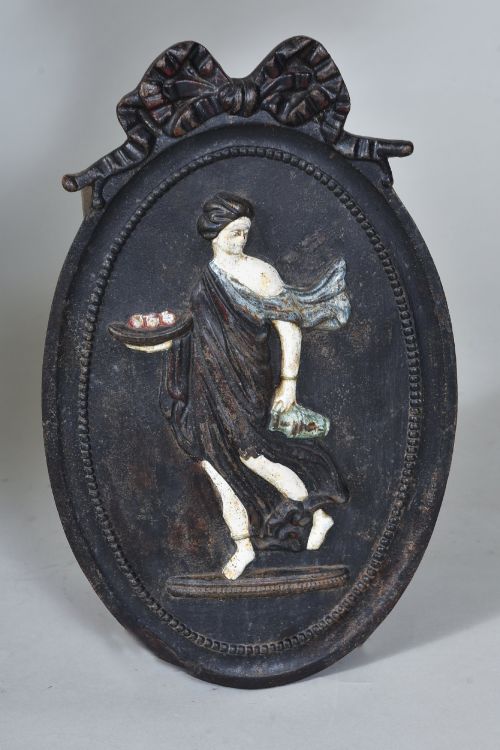
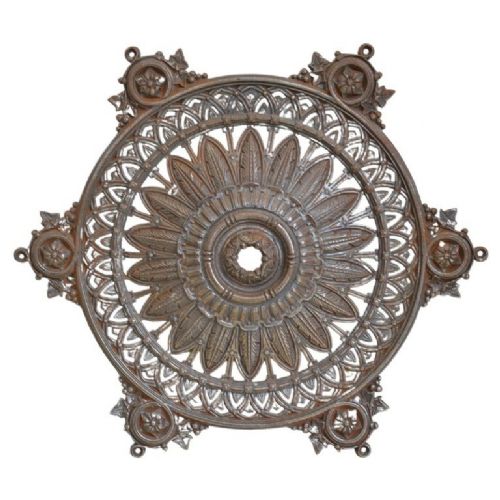
These pieces encompass heavy architectural elements, decorative wall plaques, and substantial fireplace accessories from the nineteenth century. When searching for victorian cast iron relief, collectors encounter robust fire backs, ceiling roses, and sculptural garden planters shaped during the Victorian and Edwardian eras.
Originating largely from the nineteenth century, these objects showcase the period's mastery over industrial casting techniques for domestic and garden decoration. They serve both functional roles in hearths and purely decorative purposes as wall-mounted art.
Materials and Casting Methods
Molten iron is poured into moulds to create deep, defined relief patterns that catch the light across figures, foliage, and heraldry. Artisans often finished these heavy metal surfaces with paint or integrated bronze elements to enhance visual depth.
The physical weight of the cast iron provides structural stability for items like fire backs and garden planters. Detail is achieved through precise pattern-making, resulting in sharp edges on items such as ceiling roses and portrait plaques.
Victorian Cast Iron Relief Retail Price Guide 2026
Typical asking prices for victorian cast iron relief among the pieces listed under this phrase on Sellingantiques today, from the lower quarter to the upper quarter. They describe what is for sale here now, not the wider market.
Listings feature items spanning the 19th Century, Victorian period, and early 1900s, constructed primarily from cast iron with occasional bronze and wood elements.
Assessing Quality and Execution
Substantial thickness and weight indicate superior construction, particularly in fire backs and architectural salvage designed to withstand heat or exposure. The complexity of the subject matter, such as matched portrait pairs or layered heraldic crests, elevates the piece.
The Victorian Cast Iron Relief Glossary
- Cast Iron
- An iron-carbon alloy poured into a mould to form solid objects. It provides exceptional durability and allows for the creation of heavy, detailed relief work.
- Fire Back
- A heavy metal plate placed at the back of an open fireplace. It reflects heat back into the room and protects the masonry.
- Ceiling Rose
- A decorative circular moulding affixed to a ceiling. They frequently feature botanical motifs like ivy and feathers in high relief.
- Relief
- Sculptural work where figures or designs project from a flat background. This technique creates strong shadows and three-dimensional depth on metal plaques.
- Heraldic Crest
- A distinct armorial design denoting lineage or authority. These motifs appear frequently on heavy iron plaques and overmantels.
Victorian Cast Iron Relief: Frequently Asked Questions
What is a fire back?
A fire back is a heavy cast iron plate positioned against the rear wall of an open fireplace. It serves to protect the brickwork from intense heat while radiating warmth back into the room.
Many examples feature neoclassical revival designs, architectural framing, or heraldic imagery that adds visual interest to the hearth when the fire is unlit.
How heavy are these pieces?
These items possess substantial physical weight due to their solid iron construction. Garden planters, monumental plaques, and fire backs require secure wall anchoring or dedicated floor placement.
The density of the material reflects the industrial manufacturing methods of the nineteenth century.
Where were ceiling roses placed?
Ceiling roses were traditionally installed in the centre of a room to anchor a hanging light fixture or chandelier. They provided an ornamental transition between the plaster and the light fitting.
Cast iron versions offer exceptional durability and crisp botanical detailing, such as ivy and feathers, compared to standard plaster alternatives.
How do I care for cast iron?
Cast iron pieces require protection from moisture to prevent oxidation and surface corrosion. Indoor items benefit from occasional dusting and light cleaning without harsh chemical solvents.
Exterior objects like garden urns and planters naturally develop a stable patina over time when exposed to the elements.