





Antique Iron Wall Panel
These antique iron wall panel examples combine architectural salvage with hand-forged metalwork, offering striking historic texture for modern interiors.
Antique Iron Wall Panel
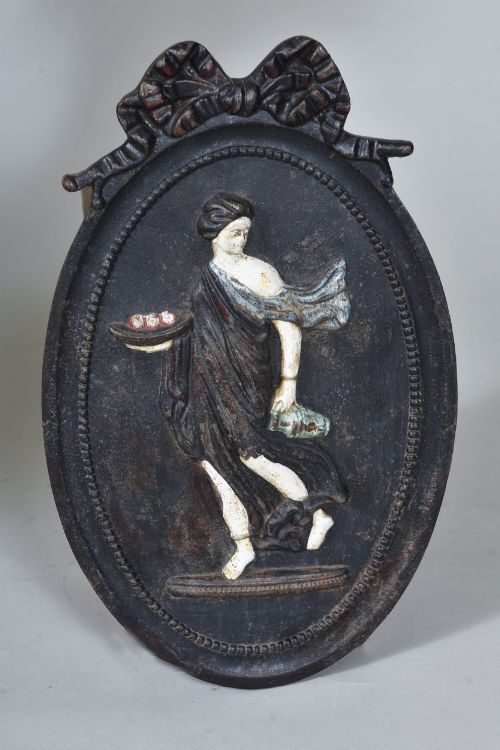
When you search for an antique iron wall panel, you are exploring a diverse selection of architectural salvage, wall plaques, and decorative screens drawn from various periods. The pieces appearing here span from the 18th century through to the Edwardian era and the 1920s, showcasing genuine age and historical utility.
The most common formats you are likely to meet include weathered wrought iron scroll panels, heavy cast iron architectural sections, and reclaimed balustrade pieces. These items originate from diverse global traditions, incorporating both European provincial metalwork and international architectural elements.
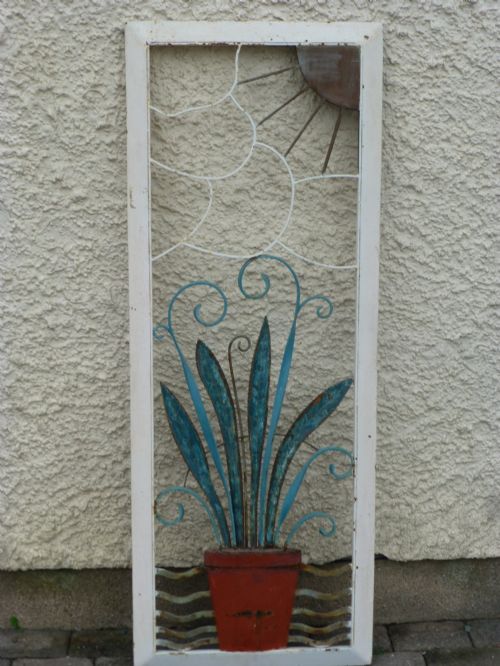
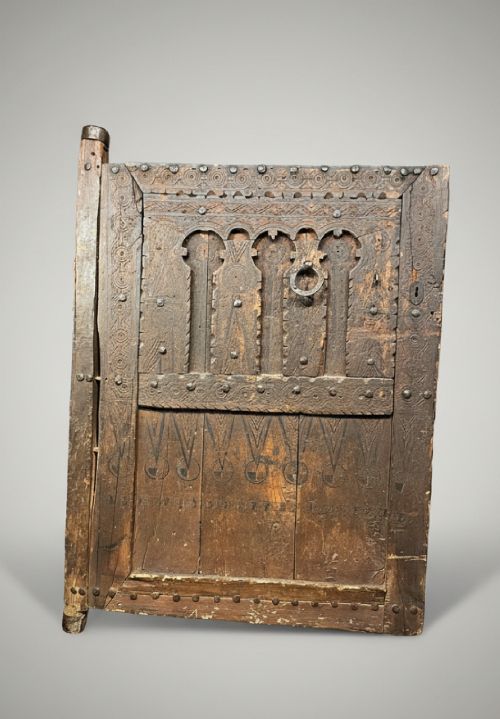
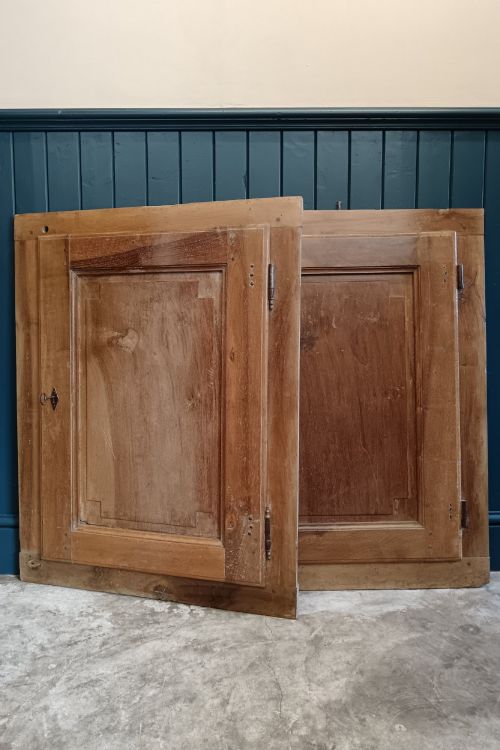
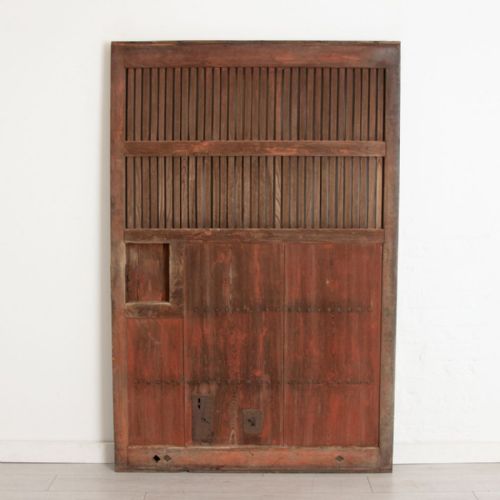
Beyond purely metal items, the selection occasionally encompasses related architectural woodwork and panels integrated with bronze, enamel, or paint. Each object retains the distinct character of its original structural context, whether sourced from a garden gate, a door screen, or a balcony balustrade.
Materials and construction methods
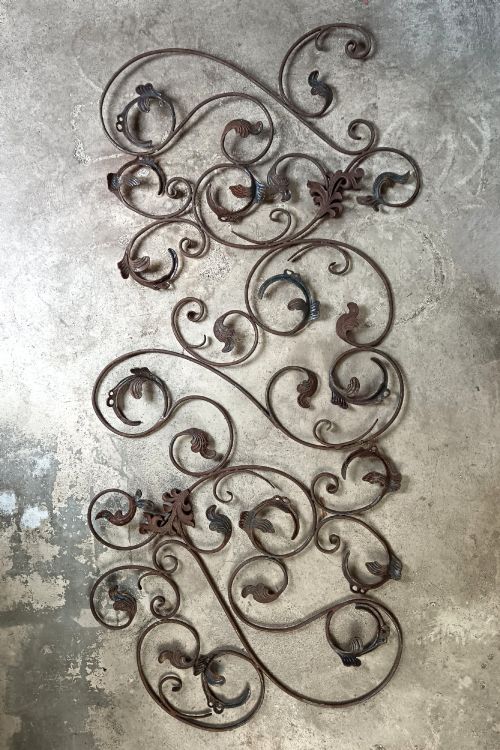
The primary materials recorded in these listings are wrought iron and cast iron, utilised alongside bronze elements, timber frames, and surface layers of paint or enamel. Wrought iron objects typically display the hand-forged scrolls and structural modifications shaped by blacksmiths using traditional heating and hammering techniques.
Cast iron items involve pouring molten metal into detailed moulds to create repeatable architectural ornaments like decorative balustrade panels and heavy grilles. Many surfaces retain patinated finishes, weathering, and remnants of historic paint that reflect decades or centuries of exposure to the elements.
Antique Iron Wall Panel Retail Price Guide 2026
Typical asking prices for iron wall panel among the pieces listed under this phrase on Sellingantiques today, from the lower quarter to the upper quarter. They describe what is for sale here now, not the wider market.
Listings feature 19th-century iron plaques, Edwardian cast iron panels, and 1900 wrought iron scrollwork alongside related architectural woodwork.
Distinctions in quality and execution
The distinction between standard architectural salvage and superior metalwork lies in the crispness of the casting, the complexity of the hand-forged scrollwork, and the integrity of the original metal. Finer examples display purposeful design symmetry, robust gauge thickness, and expressive detailing that elevates industrial salvage into decorative art.
Surface preservation also dictates the character of each piece, distinguishing items with honest, undisturbed patina and original pigment from those with modern alterations. The harmony between the metal structure and any accompanying bronze or wooden elements further influences the overall visual cohesion.
The Antique Iron Wall Panel Glossary
- Architectural salvage
- Building components rescued from demolition or remodelling for decorative reuse. These items range from iron gates and balustrades to wooden doors and structural panels.
- Wrought iron
- Tough, malleable iron worked while hot by a blacksmith. It is characterised by a fibrous structure and the ability to be shaped into intricate scrolls.
- Cast iron
- Iron shaped by pouring molten metal into a mould. This technique allows for heavier, repeating decorative patterns used in grilles and balustrades.
- Balustrade
- A row of repeating balusters supporting a rail, often seen on staircases and balconies. Surviving panels are frequently repurposed as wall decoration.
Antique Iron Wall Panel: Frequently Asked Questions
Can these panels be used outdoors?
Many of these pieces originated as exterior architectural elements such as gates, garden screens, and balcony panels. Consequently, they possess inherent resilience to outdoor weathering.
However, historic ironwork left outside will continue to weather and develop further oxidation. Applying appropriate protective coatings can help stabilise the surface if you wish to preserve the current patina.
How do I clean historic iron?
Gentle maintenance is essential to preserve the authentic surface patinas and historic paint remnants found on older metalwork. Soft brushing or wiping with a dry cloth generally suffices to remove accumulated dust.
Avoid harsh chemical cleaners or abrasive scouring pads that can strip away centuries of accumulated oxidation and original pigment. Specialist wax can sometimes be applied to sealed interior pieces to protect the finish.
What periods do these panels date from?
The listings span multiple centuries, incorporating items from the 18th century, the 19th century, the Edwardian period, and the 1920s. Each era imparts distinct manufacturing traits, from hand-forged 18th-century scrollwork to early 20th-century industrial casting.
Examining the manufacturing techniques and material composition helps determine the approximate age of an unlabelled architectural fragment. Stylistic cues often align with broader design movements of their respective centuries.