



Painted Iron Plaque
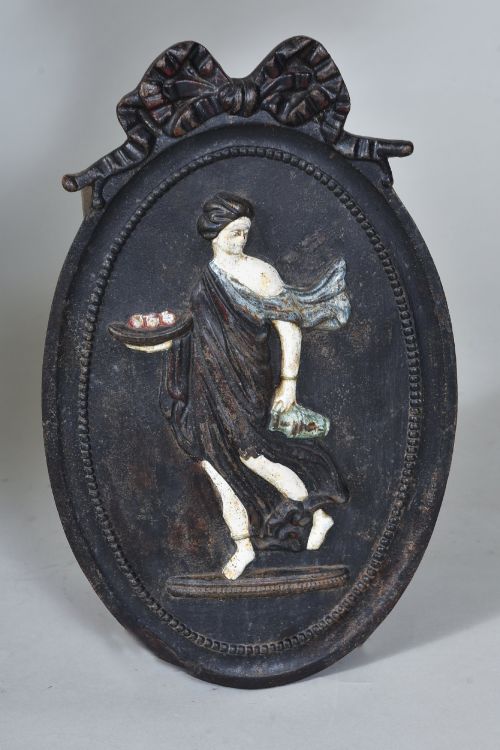
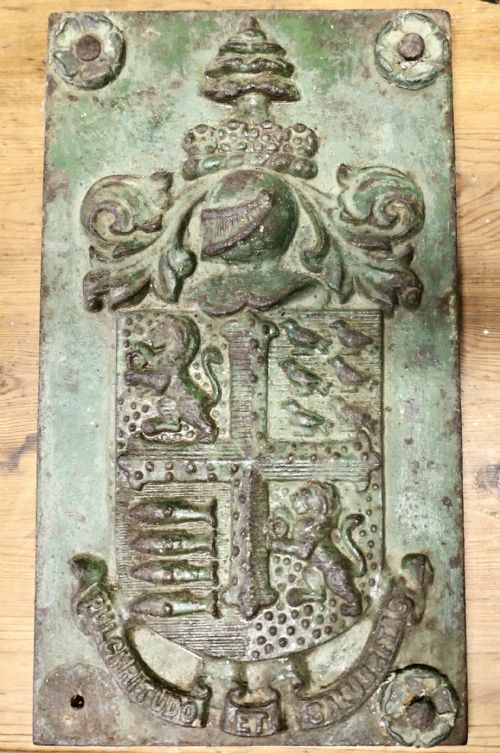
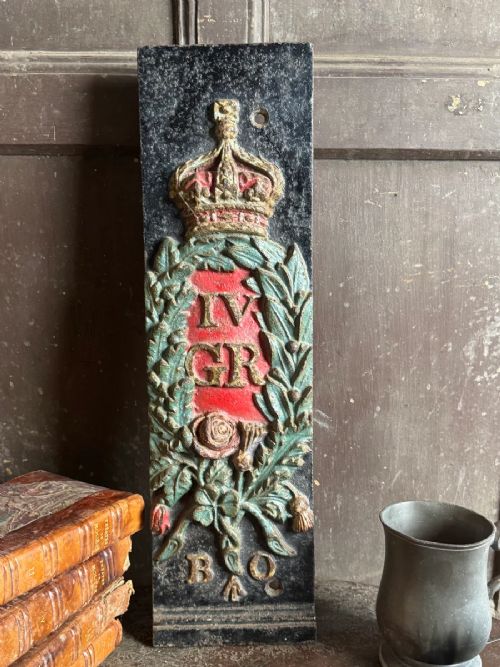
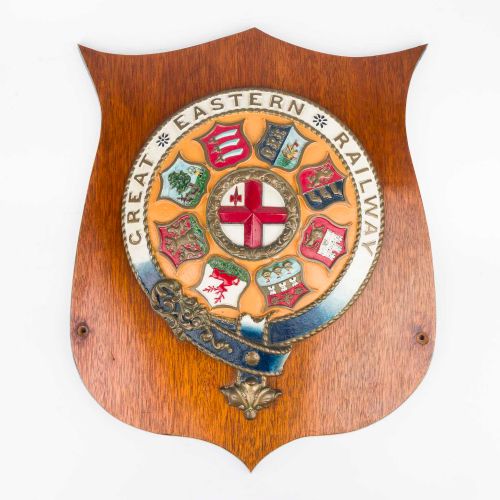
A painted iron plaque brings industrial weight and hand-finished colour to a wall, offering rich heraldry and utilitarian signage from past centuries.
Painted Iron Plaque
A painted iron plaque spans heavy architectural castings, crisp street signage, and intricate armorial displays from periods reaching back to the Georgian era. Buyers seeking these items find robust metal panels decorated with enamel or oil paint, recording everything from municipal authorities to railway history.
The most frequent examples on this page date from the nineteenth century, encompassing Victorian royal coats of arms, railway crests, and trade signs. These pieces combine utilitarian strength with decorative artistry, serving as enduring records of industrial and civic life.
Forms vary widely from monumental wall plaques and street signs to architectural panels and locomotive markers. Each object utilises iron as a durable canvas for painted lettering, heraldic pigments, or pictorial scenes.
Materials and Manufacture
Cast iron and sheet iron form the primary structural foundations for these items, shaped through traditional foundry methods to create solid plates and raised lettering. Makers applied oil paint, enamel paint, or toleware finishes directly to the metal surface to render detailed text and armorial colours.
Heavier architectural and heraldic pieces relied on deep relief casting, allowing painters to highlight raised borders and sculptural crests with contrasting pigments. Lighter signage used smooth iron sheets prepared specifically for hand-lettered trade and railway designations.
Painted Iron Plaque Retail Price Guide 2026
Typical asking prices for painted iron plaque among the pieces listed under this phrase on Sellingantiques today, from the lower quarter to the upper quarter. They describe what is for sale here now, not the wider market.
Listings feature iron plaques spanning the Georgian, Victorian, and early twentieth-century eras, utilising both cast iron and sheet metal.
Judging Quality and Execution
Quality rests upon the crispness of the iron casting and the skill behind the hand-painted details. Superior pieces display sharp relief work in the metal alongside precise lettering and well-preserved pigments that define coats of arms or commercial typography.
The handling of the painted surface distinguishes standard utility markers from exceptional works of decorative art. Finer examples retain intricate brushwork and coherent colour schemes that survive decades of exposure, while lesser grades show heavy, uniform repainting that obscures the original metalwork beneath.
H. Meeson
The Painted Iron Plaque Glossary
- Armorial
- Relating to heraldry, coats of arms, or family crests. These designs appear frequently on cast iron plaques commissioned by civic bodies or institutions.
- Toleware
- Metalware painted and japanned in imitation of Asian lacquerwork. It offers a smooth, glossy surface often seen on finer nineteenth-century decorative panels.
- Cast Iron
- Iron poured into a mould to take the exact shape of a pattern. This technique allowed Victorian founders to produce durable wall plaques with raised lettering and decorative relief.
- Railwayana
- Artefacts collected from the railway networks, including painted locomotive signs and company crests. These items capture the industrial history of transport systems.
- Architectural Plaque
- A rigid panel designed to be fixed to a building exterior or interior wall. They frequently denote official jurisdiction, military administration, or corporate identity.
Painted Iron Plaque: Frequently Asked Questions
What are painted iron plaques?
These items are robust metal panels cast or forged from iron and finished with hand-applied paint, enamel, or toleware decoration. They include civic coats of arms, railway markers, and commercial street signs.
Originating largely from the nineteenth and early twentieth centuries, they combine industrial manufacturing techniques with decorative sign-writing and heraldic art.
How were street signs used?
Cast iron street signs and trade plaques were mounted securely onto building facades, shopfronts, or railway infrastructure to guide the public and designate locations.
Built to withstand outdoor exposure, their heavy iron construction and durable painted surfaces ensured they remained legible through decades of changing weather.
How do I hang a heavy plaque?
Due to the substantial weight of cast iron pieces, secure wall mounting requires direct fixing into masonry or heavy timber studs using appropriate load-bearing hardware.
It is essential to assess the backplate and mounting lugs of each specific plaque to ensure the weight is distributed safely across the wall structure.
How do I date a cast iron plaque?
Dating relies upon stylistic clues within the lettering, the complexity of the cast heraldry, and the manufacturing methods visible on the reverse of the metal.
Georgian and Victorian pieces typically feature heavier sand-casting textures and hand-mixed lead paints, whereas twentieth-century railway and trade signs often employ standardised enamel finishes.