
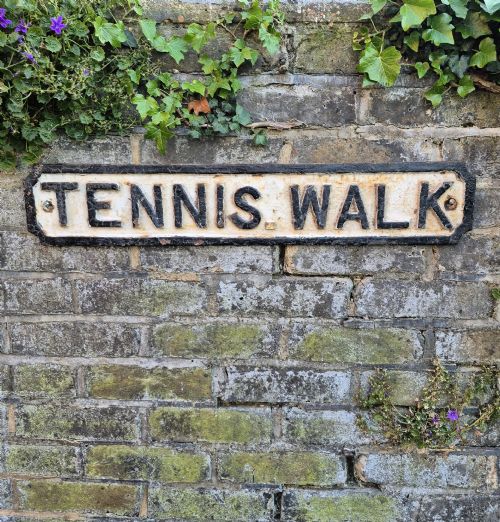
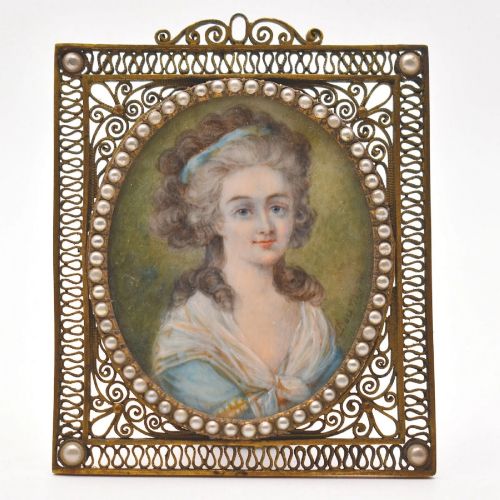
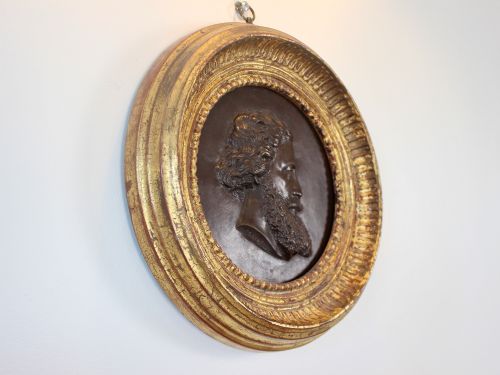

Antique Metal Sign
An antique metal sign carries the weight of trade, transport and everyday communication through durable iron, cast metal and enamel.
Antique Metal Sign
When you search for an antique metal sign, you encounter utilitarian markers that once directed travellers, advertised local businesses or governed public spaces. These objects bridge the gap between industrial history and domestic display.
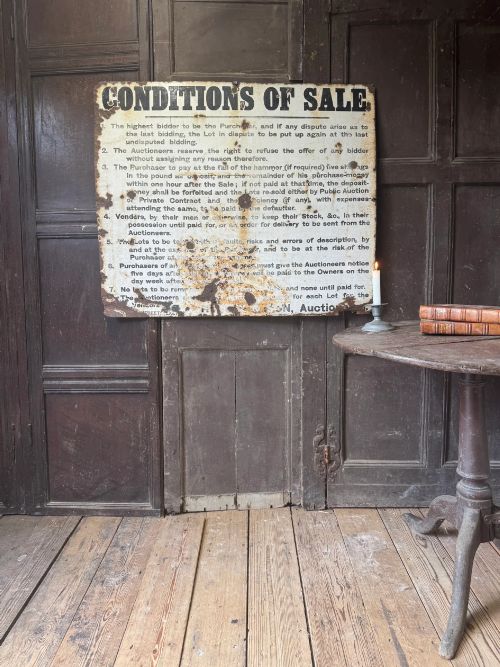
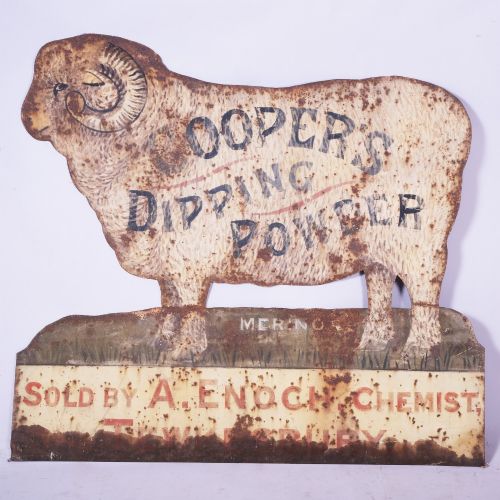
The selections on this page lean heavily towards cast iron railway notices, painted sheet metal trade boards and vibrant enamel advertising pieces from the nineteenth and early twentieth centuries. Each item reflects the commercial and municipal needs of its period.
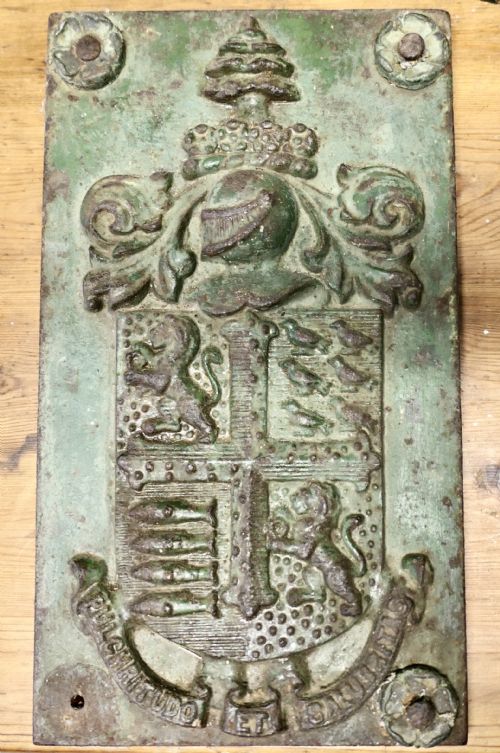
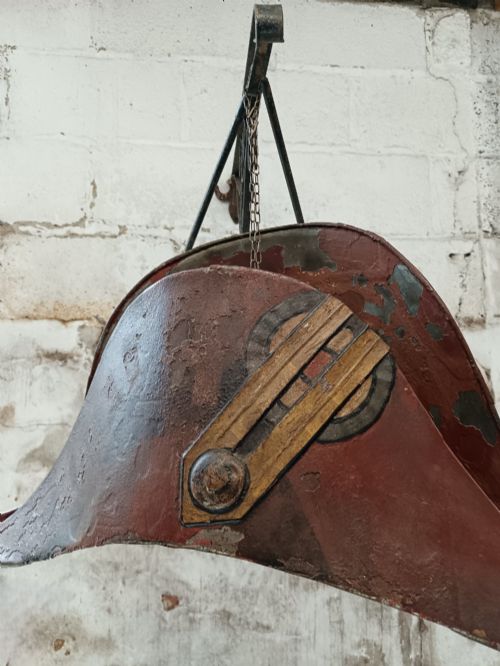
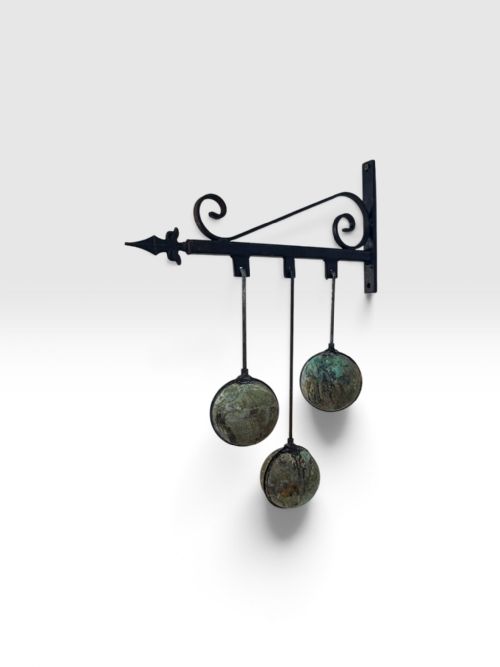
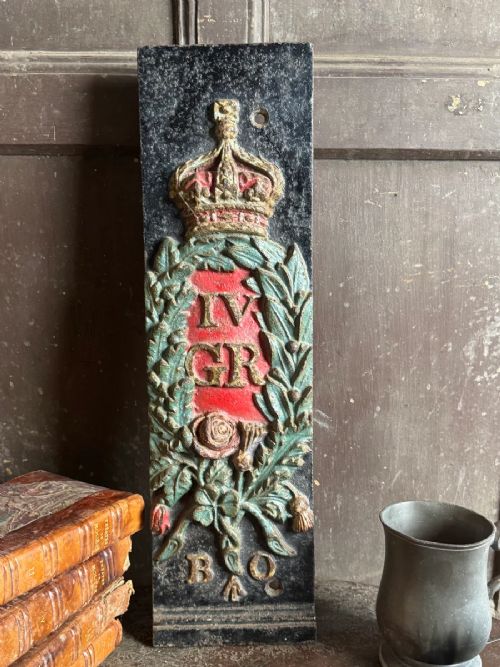
Beyond standard lettering, the category encompasses armorial plaques, architectural markers and shaped trade signs such as pocket watches or bicorn hats. They survive as tangible fragments of working life.
How They Were Made
Makers utilised casting, pressing and wrought ironwork to shape base metals like iron, brass and copper into rigid plates and brackets. Cast iron provided the strength needed for outdoor railway notices and heavy street markers.
Surface decoration relied on hand-applied paint, toleware finishes or fused vitreous enamel to withstand weather and daily wear. Enamelling fused powdered glass to metal at high temperatures, creating glossy, long-lasting colours for advertising and public information.
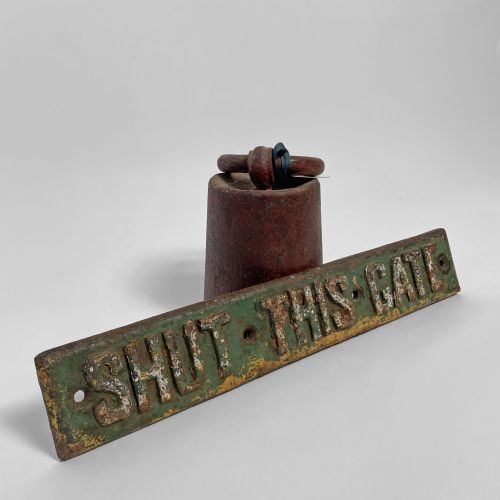
A cast iron sign commands silence with a strict instruction to shut the gate.
What Varies in Quality
Distinction in these pieces rests upon the crispness of the casting, the precision of the lettering and the intactness of the original surface finish. Crisp relief work on cast iron armorials or clean typography on enamel signs indicates superior production standards.
The degree of original surface preservation dictates much of the appeal, as untouched factory paint or stable, fired enamel patination retains historical integrity better than poorly executed later repainting.
The Antique Metal Sign Glossary
- Enamel
- Vitreous glass powder fused to a metal substrate under high heat. This technique produced glossy, corrosion-resistant surfaces ideal for outdoor advertising.
- Toleware
- Japanned or painted sheet metal items produced in imitation of Asian lacquerware. It frequently formed the base for trade signs and domestic wares.
- Armorial
- Relating to heraldry and coats of arms. These plaques displayed civic authority or corporate identity on public buildings and railway property.
- Cast Iron
- Iron poured into a mould to form solid shapes and lettering. It offered exceptional durability for nineteenth-century street furniture and municipal notices.
Antique Metal Sign: Frequently Asked Questions
What were antique metal signs used for?
These metal items served practical functions in public, industrial and commercial spaces across towns and railway networks.
Authorities and businesses installed them to direct crowds, advertise trades, enforce rules and display coats of arms.
How do I date an iron street sign?
Dating relies on typeface styles, manufacturing techniques and the specific municipal or railway names cast into the metal.
Comparative study of historical company titles and standard Victorian or Edwardian lettering helps narrow the decade of production.
Where should I hang a heavy cast sign?
Wall mounting requires securing fixings directly into structural brickwork or masonry rather than standard plasterboard.
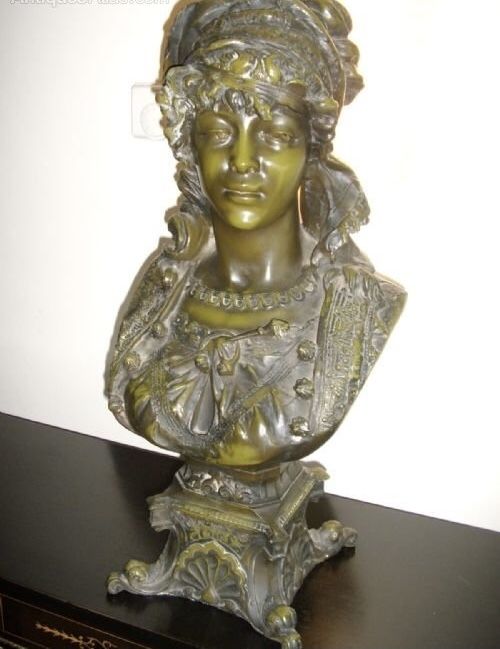
Because cast iron and bronze items carry substantial weight, sturdy brackets and appropriate wall anchors are essential for safe display.
What is the difference between enamel and painted signs?
Painted signs utilise liquid pigments applied directly to metal surfaces, whereas enamel signs involve glass fused by heat.
Enamelled pieces generally present a glossy, vitreous finish that resists weathering far better than traditional oil-based paint.