



Edwardian Shop Sign
These pieces of edwardian shop sign carry the bold lettering and practical utility of early high streets straight into modern rooms.
Edwardian Shop Sign
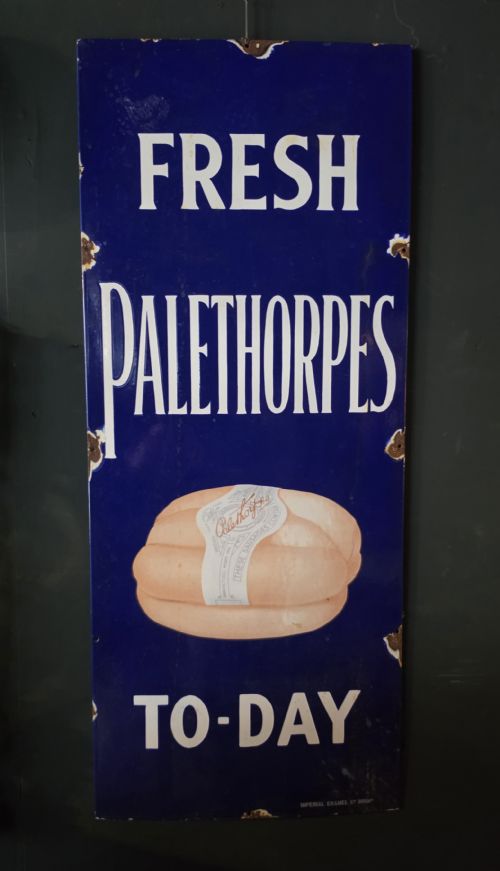
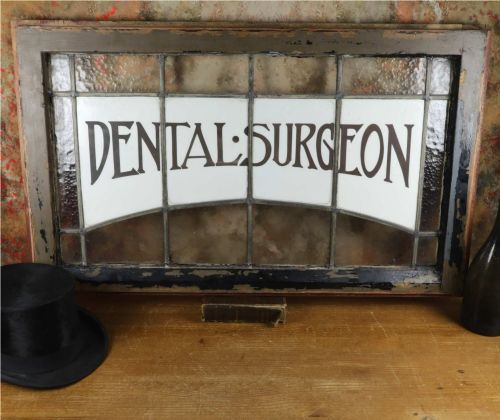
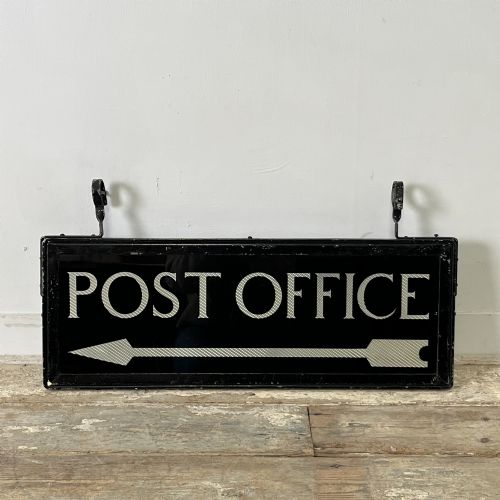
An edwardian shop sign encompasses a diverse range of surviving commercial artefacts, from wall signs and trade signs to advertising signs and architectural salvage. A buyer examining this selection encounters everything from painted wood and reverse glass panels to vitreous enamel plaques.
The most common formats on this page are hand-painted wooden boards, glass window panels, and robust enamel signs created for food, medicine, and clothing businesses. These objects reflect the commercial life of the early twentieth century, spanning styles from Victorian and Edwardian commercial to industrial commercial and Art Deco.
While the material and format vary widely, each edwardian shop sign serves as a direct link to the retail trades of the period, including chemists, drapers, confectioners, and opticians. Pieces range from straightforward directional notices to elaborate pictorial displays for well-known brands.
Materials and Construction
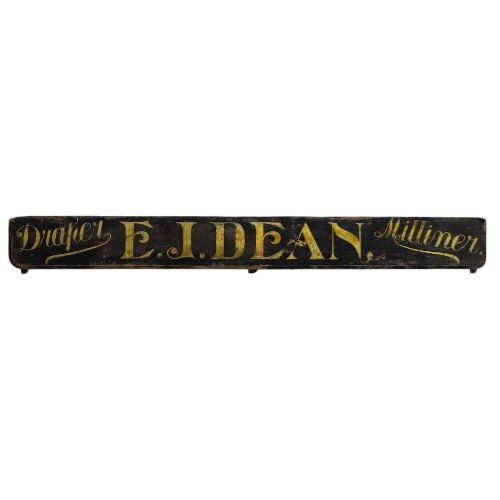
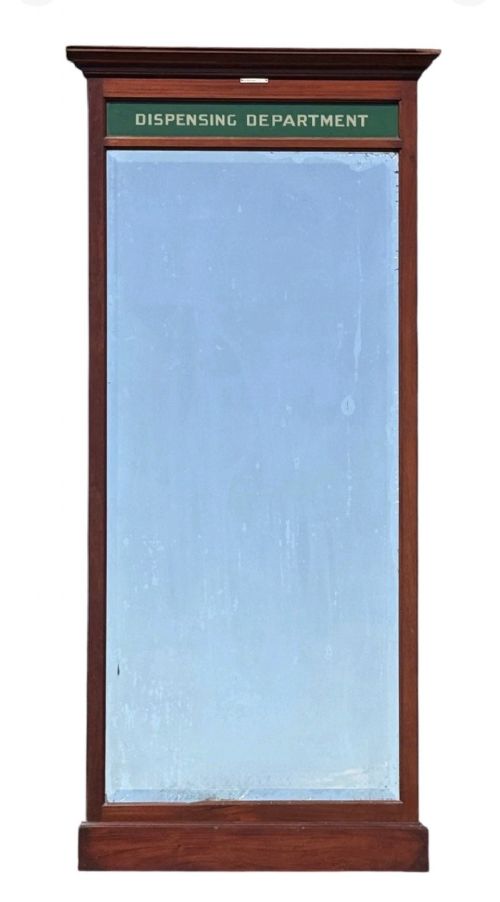
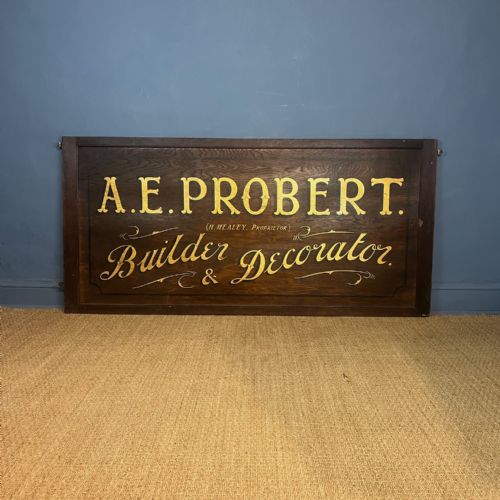
Makers utilised a combination of sturdy pine, mahogany, and oak for wooden boards and framed display cabinets, applying hand-painted lettering directly to the timber. Glass surfaces frequently featured reverse painting or brilliant cutting to create durable window panels and advertising mirrors.
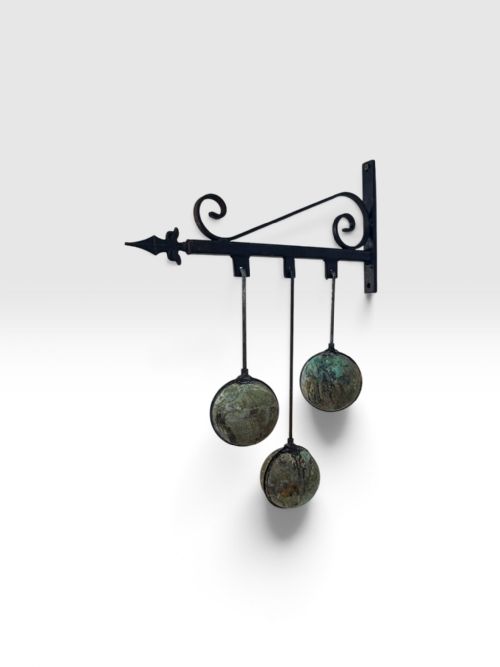
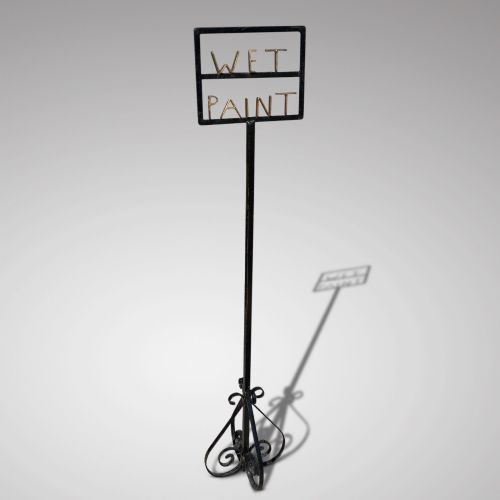
Vitreous enamel provided a weather-resistant finish for exterior metal signs, fusing powdered glass to iron at high temperatures to maintain bright colours and crisp lettering outdoors. Wrought iron, brass, bronze, and copper appeared in structural brackets, hanging signs, and embossed decorative panels.
Objects include display cabinets, wall signs, architectural salvage, trade signs, mirrors, and enamel advertising plaques.
Evaluating Quality and Authenticity
Quality in an edwardian shop sign rests upon the clarity of the original typography, the integrity of the substrate, and the survival of genuine surface wear. Hand-painted examples demonstrate the steady hand and decorative skill of sign-writers through balanced lettering and pictorial detail.
Materials dictate longevity and visual weight, with thick plate glass, heavy vitreous enamel, and dense hardwoods holding up better over decades of commercial use. The relationship between the original sign-writing and the underlying object determines whether a piece retains its historical cohesion.
Palethorpes·Watsons Matchless Soap·Trebor·Zambrene Weatherproof Clothing
The Edwardian Shop Sign Glossary
- Vitreous enamel
- A durable coating formed by fusing powdered glass to a metal substrate at high heat. This technique produced glossy, weather-resistant outdoor advertising plaques.
- Reverse glass painting
- A method where the artist paints the image and lettering on the back of a glass panel so it is viewed correctly through the front. It creates a lustrous, reflective surface finish.
- Architectural salvage
- Building elements and fixtures rescued from structures destined for demolition. This category includes trade signs and window panels removed from historic commercial premises.
- Trade sign
- An object or board hung outside a premises to indicate the specific trade practiced within. Common examples include optical, dental, and pawnbroker symbols.
Edwardian Shop Sign: Frequently Asked Questions
How were these signs originally displayed?
Shop signs were mounted above doorways, hung perpendicular to the building facade on iron brackets, or placed inside display windows to attract passing trade.
Smaller painted panels and mirrors often hung directly behind counters or inside display cabinets to reinforce brand identity to customers.
What trades do these signs represent?
The selection includes advertising for chemists, opticians, dentists, milliners, drapers, and confectioners. Food and beverage brands also feature prominently on enamel plaques and painted glass.
Specialist trades are represented by pawnbrokers, post offices, and weatherproofing specialists, reflecting the varied high street of the era.
How do I hang a heavy enamel sign?
Enamel signs require secure fixings into solid wall anchors, as the heavy iron and glass composition exerts considerable downward force. Using padded stand-offs prevents the enamel around the screw holes from chipping or cracking under pressure.
Wooden signs benefit from sturdy picture wire or direct wall mounting through existing structural framing to distribute the weight evenly.
Are these signs weatherproof for outdoor use?
Vitreous enamel and cast iron pieces were built to withstand outdoor environments and handle rain and sunlight without losing their colour.
Painted wood, reverse glass, and interior mirrors deteriorate quickly when exposed to moisture and should remain indoors or in sheltered exterior spaces.