


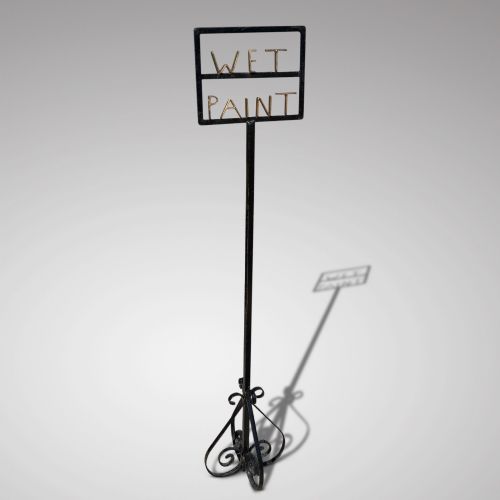

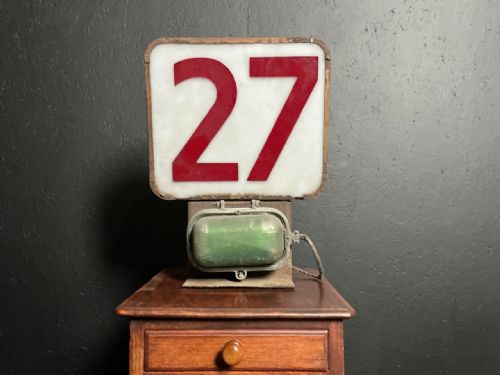


Industrial Metal Sign
An industrial metal sign brings raw utility and weathered street character directly into modern interiors.
Industrial Metal Sign
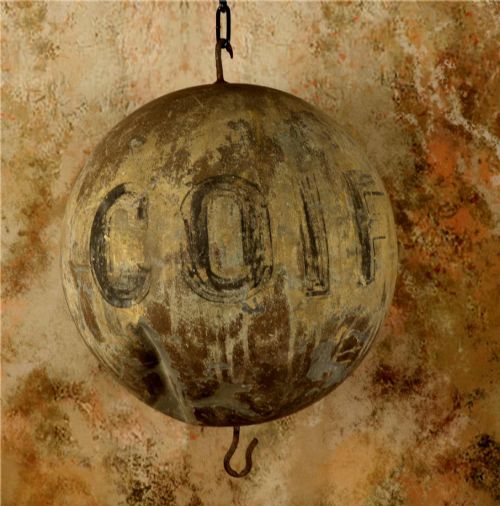
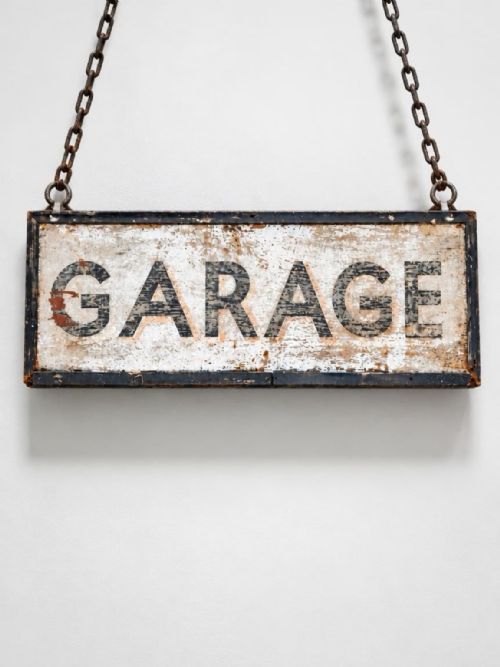
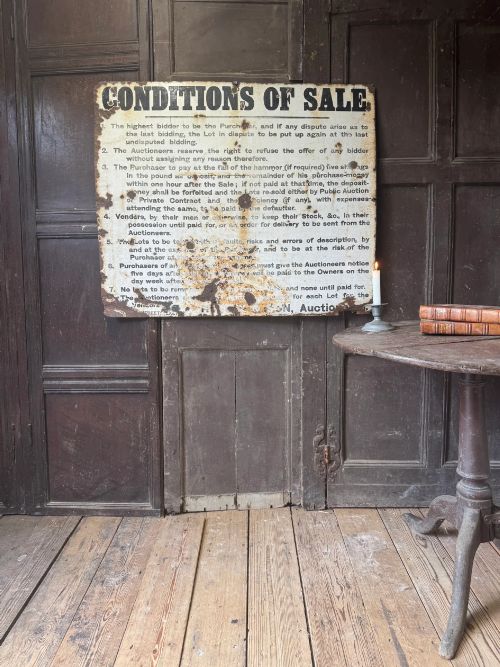
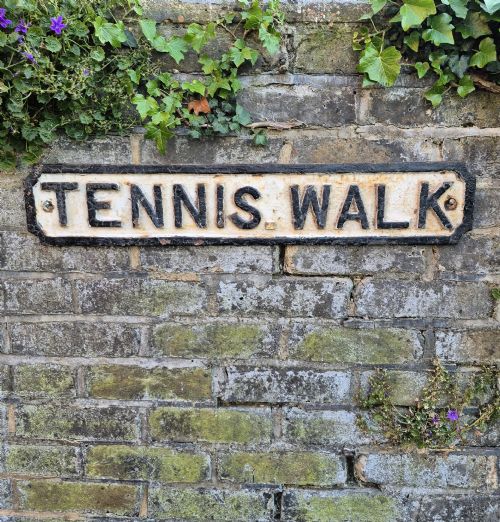
When you search for an industrial metal sign, you encounter heavy cast iron notices, painted sheet metal street markers, and trade plaques spanning from the Victorian era through the mid-twentieth century. These utilitarian pieces originate from railways, shops, streets, and auction houses where clear public communication mattered most.
The version you are most likely to meet on this page is a railway warning, a tradesman's wall sign, or a municipal street marker rendered in cast iron, sheet metal, or brass. Many examples bear the marks of decades outdoors, showing authentic chipped paint, weathered lettering, and oxidized metal surfaces.
Assessing quality and character
The distinction between ordinary utility markers and exceptional pieces lies in the crispness of the cast lettering, the depth of original paint layers, and the integrity of the metal substrate. Surviving mounting brackets and original hardware often elevate the authenticity of a piece.
Subtleties in typography, hand-painted details, and genuine weathering separate mass-produced items from unique tradesman pieces. A sign with undisturbed surface patination holds greater visual interest than one with heavy modern restoration.
Industrial Metal Sign Retail Price Guide 2026
Typical asking prices for industrial metal sign among the pieces listed under this phrase on Sellingantiques today, from the lower quarter to the upper quarter. They describe what is for sale here now, not the wider market.
Object forms recorded here include railway notices, auctioneer boards, street markers, and trade plaques.
Tann s Defiance·Josef Herzog·Smiths of London·J and H Keyworth and Co
The Industrial Metal Sign Glossary
- Cast iron
- A hard, relatively brittle alloy of iron and carbon that can be readily cast in a mould. This material was widely used for heavy railway notices and durable street signs.
- Sheet metal
- Metal formed into thin, flat pieces by an industrial process. It served as a common base for painted trade signs and advertising boards.
- Architectural salvage
- Building materials and fixtures rescued from structures slated for demolition. This category includes street markers and wall signs removed from historic buildings.
- Enamel
- A glass-like substance fused to the surface of metal through firing. It provided a glossy, weather-resistant finish for public telephone and railway signs.
Industrial Metal Sign: Frequently Asked Questions
How should I clean a weathered metal sign?
Gently dust the surface with a dry microfibre cloth to remove loose dirt and debris. Avoid harsh chemical cleaners or abrasive scouring pads that might strip away original paint layers and patination.
Preserving the stable surface rust and weathered finish maintains the historical integrity of the piece. Applying a microcrystalline wax can help protect exposed iron from further oxidation.
Can these signs be displayed outdoors?
While these pieces were originally built for external use, decades of historical ageing mean modern exposure to rain and frost can accelerate deterioration. Protecting them from continuous dampness preserves the remaining paint and metal.
If placed outside, select a sheltered spot away from direct weather extremes. Indoor display remains the safest method for retaining delicate painted surfaces.
How do I tell an older sign from a reproduction?
Examine the edges, fixing holes, and back of the metal for signs of natural wear, tool marks, and consistent oxidation patterns. Genuine period pieces exhibit casting imperfections and typography styles specific to their manufacturing era.
Look closely at the paint surface for fine craquelure and organic fading rather than artificial distressing. Authentic items carry the physical evidence of their working history.